Logo
Get Estimate

Air Quality Testing Fort Worth TX That Finds What You Can't See

Lab-backed sampling, honest answers, same-day scheduling across Tarrant County


Air Quality Testing Fort Worth TX starts with a real question: is the air in your home or building making you sick? We run professional air sampling, moisture checks, and thermal scans to find mold spores, allergens, and hidden water damage before they spread. Whether you're in a 1920s bungalow near Fairmount or a newer build out by Eastchase, our indoor air quality assessment Fort Worth TX gives you lab results you can act on, not guesswork.

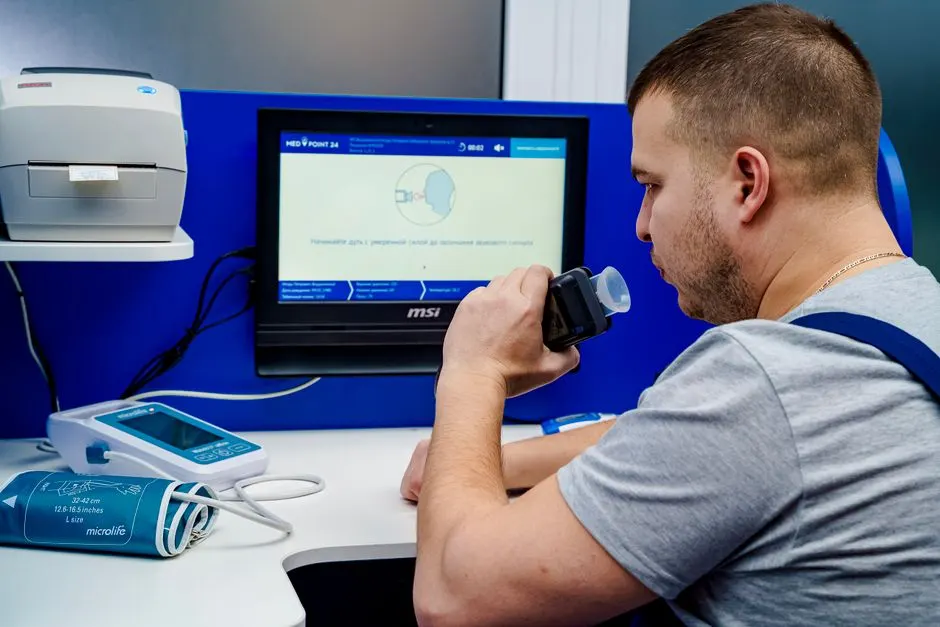
A man uses a breathalyzer device in a medical facility during the day.
Licensed Licensed & Bonded
Fully Insured Insured & Bonded
24/7 Emergency Same-Day Response
Warranty Backed Workmanship Guaranteed in Fort Worth

What's Included in Our Air Quality Testing Service

Every air quality testing job includes the core elements below. Additional sampling, rush lab turnaround, and commercial scopes are quoted separately based on your property.

Visual Mold Inspection

We walk the property room by room, checking for visible growth, water stains, discoloration, and musty odors. Attics, crawl spaces, basements, and HVAC closets are included when accessible. We photograph everything and note moisture readings.

Moisture and Humidity Readings

Using a Protimeter or Bosch moisture meter and a hygrometer, we measure moisture content in walls, floors, and ceilings. Readings above 16% indicate conditions that support mold growth. We log humidity levels throughout the structure.

Thermal Imaging Scan

A FLIR thermal imaging camera reveals temperature differences behind walls and above ceilings. These anomalies often point to hidden moisture, missing insulation, or air leaks that visual inspection can't detect.

Air Sampling with Lab Analysis

We run an air sampling pump with Zefon Air-O-Cell spore trap cassettes, one indoors and one outdoors for baseline comparison. Samples ship to EMSL Analytical or LabCorp. You get spore counts by species in the written report.

Written Report with Recommendations

Your report includes raw lab data, indoor vs. outdoor comparisons, moisture maps, thermal images, and plain-language recommendations. If remediation is needed, we reference ANSI/IICRC S520 standards your contractor should follow.

What Air Quality Testing Fort Worth TX Actually Involves


Air Quality Testing Fort Worth TX is a diagnostic service that measures what's floating in your indoor air and traces it back to a source. We run air sampling pumps with spore trap cassettes, take tape lift and swab samples from suspect surfaces, and log humidity with a hygrometer and moisture meter. Samples go to accredited labs like EMSL Analytical or LabCorp, and you get a written report with spore counts, species identified, and a clear comparison between indoor and outdoor baselines. It's not a sniff test. It's data.

Fort Worth homes deal with a specific set of problems: high summer humidity, slab leaks that never surface, roof leaks after spring hail, and HVAC systems that recycle mold spores through every room. If you've been waking up congested, smelling something musty in the hallway, or buying a house in Tarrant County and want to know what you're walking into, this is the test that answers it. We also handle affordable indoor air quality assessment Fort Worth TX requests for renters and small commercial spaces.

How Our Air Quality Testing Process Works

Five steps from your first call to a report you can hand to a contractor, doctor, or realtor. Most jobs wrap in two to four hours on site.

01

Schedule

Call or book online — a real human picks up and confirms a 2-hour arrival window.

02

Diagnose

Licensed tech inspects on-site, then walks you through the cause and your options.

03

Fix

The job is completed to code and done right the first time — no shortcuts, no surprises.

04

Guarantee

Every job backed by a written workmanship warranty — and we stand behind it.

Tools and Methods We Use for Air Quality Testing

Tools & Equipment

Zefon Air-O-Cell Spore Trap Cassettes

Used with an air sampling pump to capture airborne mold spores for lab analysis. Each cassette collects a known volume of air, allowing the lab to calculate spores per cubic meter.

FLIR Thermal Imaging Camera

Reveals temperature differences behind walls and above ceilings that indicate hidden moisture, missing insulation, or air leaks. Essential for finding mold sources that visual inspection misses.

Protimeter and Bosch Moisture Meters

Measure moisture content in building materials. Readings above 16% indicate conditions that support mold growth. We use these on walls, floors, ceilings, and structural wood.

Boroscope

A flexible camera that lets us see inside wall cavities, HVAC ducts, and crawl spaces without cutting into finished surfaces. We use it to confirm mold growth in hidden areas.

Hygrometer

Measures relative humidity throughout the structure. Fort Worth homes often exceed 60% indoor humidity, which supports mold growth. We log readings room by room.

Particle Counter

Measures airborne particulate levels, including mold spores, dust, and allergens. Useful for before-and-after comparisons and for clients with severe allergies.

Mycometrics ERMI Dust Cloths

Used for ERMI testing, which analyzes dust samples for 36 mold species. Provides a scored index that reflects long-term mold history in a home.

Methods & Standards

ANSI/IICRC S520 Standard

The industry standard for mold inspection and remediation. We follow S520 protocols for sampling methodology, documentation, and clearance criteria. Contractors and insurers recognize reports that reference this standard.

Indoor vs. Outdoor Baseline Comparison

We always take an outdoor air sample alongside indoor samples. This baseline tells us what's normal for your area on that day. If indoor spore counts exceed outdoor levels, there's an active indoor source.

Tape Lift and Swab Sampling

When we find visible growth, we collect surface samples using tape lifts or swabs. These confirm the species and viability of mold on surfaces. Results complement air sampling data.

Moisture Mapping

We map moisture readings across the structure to identify wet zones and trace water migration. This helps pinpoint the source of moisture feeding mold growth and guides remediation scope.

When to Schedule Air Quality Testing in Fort Worth

01

You just found water damage from a slab leak or roof leak in your Fort Worth home.

What we do: We run air sampling and moisture mapping within 24 hours of your call. If mold hasn't started, we document the baseline. If it has, we identify species and extent so you can get remediation started before it spreads.

→ You know whether you're dealing with a drying job or a mold job, and you have documentation for your insurance claim.

02

You're in an option period on a Fort Worth house and need answers fast.

What we do: We schedule same-day or next-day inspections for real estate transactions. Air sampling, moisture checks, and thermal imaging are completed on site. Rush lab turnaround gets results back in 24 hours when needed.

→ You get a clear report before your option period expires, giving you leverage to negotiate or walk away.

03

Your family keeps getting sick and you suspect the air in your home.

What we do: We test for mold spores, allergens, and humidity levels throughout your home. The lab identifies species and counts. We compare indoor air to outdoor air to determine if your home is the source of the problem.

→ You have lab-backed data to share with your doctor and a clear plan for fixing the issue if mold is found.

04

You've completed mold remediation and need clearance testing.

What we do: We run post-remediation air sampling and surface checks to verify spore counts are back to normal. Our reports follow ANSI/IICRC S520 clearance criteria and are accepted by contractors, landlords, and insurers.

→ You get written confirmation the job was done right, protecting your health and your investment.

How Air Quality Testing Works in Fort Worth

Fort Worth's climate creates specific air quality challenges. Summer humidity averages 65% or higher, and temperatures regularly exceed 100°F. That combination drives moisture into attics and crawl spaces, where mold grows quietly. Spring brings hail and roof leaks. Winter freezes can burst pipes in older homes with uninsulated walls. We've tested homes in every ZIP code from 76164 to 76137 and know what to look for in each neighborhood. Older pier-and-beam homes in Fairmount and Ryan Place have crawl spaces that trap humidity. Newer construction in Wedgwood and Eastchase often has HVAC systems that recycle spores if the coils or drain pans are contaminated. When you book professional air quality testing Fort Worth, we tailor the inspection to your building type and history. If you need same-day Air Quality Testing Fort Worth Texas, call before noon and we'll do our best to be there.

Neighborhoods We Serve

  • Fairmount

    Historic pier-and-beam homes with crawl spaces that trap moisture. We frequently find elevated humidity and mold growth on joists and subfloor.

  • TCU Area

    Mix of older homes and rental properties. High turnover means water damage sometimes goes unreported. Air quality testing often reveals hidden issues.

  • Downtown Fort Worth

    Condos and high-rises with shared HVAC systems. Mold in one unit's air handler can affect neighbors. We test individual units and common areas.

  • Wedgwood

    Mid-century homes with original HVAC systems. Ductwork contamination and attic mold are common findings in this neighborhood.

  • Ridglea

    Larger homes with multiple HVAC zones. We check each zone for moisture and spore issues, especially after summer cooling season.

Local Conditions We Plan For

  • High summer humidity (65%+ average)

    Drives moisture into attics and crawl spaces, creating ideal conditions for mold growth. We see elevated spore counts in homes that don't run dehumidifiers or have poor ventilation.

  • Spring hail and roof leaks

    Roof damage from spring storms lets water into attics and ceilings. Mold can start within 48 hours. We test after every major storm event when homeowners suspect leaks.

  • Winter freeze events

    Burst pipes in older homes cause water damage that often goes unnoticed until mold appears. We test for moisture and mold after any freeze event that affects plumbing.

  • Slab-on-grade construction

    Slab leaks are common in Fort Worth and can feed mold under flooring for months before detection. Thermal imaging and moisture meters help us find hidden moisture.

Slab Leak Mold in Arlington Heights

Before

A homeowner noticed musty odors in the hallway and carpet discoloration. A slab leak had been feeding moisture into the flooring for months. Air quality testing showed indoor spore counts 4x higher than outdoor levels, with elevated Penicillium and Aspergillus.

After

We documented the leak location with thermal imaging and moisture mapping. The homeowner had the slab leak repaired, removed affected flooring, and remediated the mold. Post-remediation testing confirmed spore counts back to normal within two weeks.

Maintenance: We recommended annual moisture checks and a dehumidifier in the affected area. Keeping indoor humidity below 50% prevents future growth.

Before

A spring hailstorm damaged roof shingles, and water seeped into the attic. The homeowner didn't notice until summer heat made the smell worse. Air quality testing found Stachybotrys (black mold) spores in the living area, traced to attic growth.

After

We documented the attic mold with photos and lab results. The roof was repaired, attic insulation replaced, and mold remediated. Clearance testing confirmed the attic and living areas were clean. Indoor spore counts dropped to match outdoor baselines.

Maintenance: We recommended attic ventilation improvements and annual roof inspections before storm season. HEPA filtration in the HVAC system helps catch any future spores.

Before

A 1920s bungalow had chronic musty odors and high humidity. The crawl space had no vapor barrier, and wood joists showed early mold growth. Air quality testing confirmed elevated spore counts throughout the home.

After

We mapped moisture levels and documented mold on joists. The homeowner installed a moisture barrier and dehumidifier, then had the crawl space remediated. Follow-up testing showed humidity below 50% and spore counts within normal range.

Maintenance: We recommended keeping the dehumidifier running year-round and checking the vapor barrier annually. Crawl space encapsulation provides a long-term solution.

Air Quality Problems We Solve in Fort Worth

Most air quality complaints trace back to one of these issues. We identify the cause, document it, and give you a path forward.

Problem

Musty odors you can't locate

Persistent smells usually mean active mold growth somewhere hidden. Ignoring it lets the problem spread through walls, HVAC ducts, and insulation, raising remediation costs significantly.

Our Fix

We use air sampling and thermal imaging to trace odors to their source. Lab results confirm whether mold spores are elevated and what species are present. Once we find it, you know exactly what needs fixing.

Problem

Allergy symptoms that worsen indoors

If you feel better at work than at home, your indoor air may be the problem. Chronic exposure to mold spores and allergens affects sleep, focus, and long-term respiratory health, especially for children and seniors.

Our Fix

Our indoor air quality assessment Fort Worth TX service measures spore counts and identifies allergens. We compare indoor levels to outdoor baselines so you know whether your home is the source. The report gives your doctor or allergist real data to work with.

Problem

Recent water damage or leak

Mold can start growing within 24 to 48 hours of water intrusion. A slab leak, roof leak, or HVAC overflow that seemed minor can seed mold inside walls and under floors before you notice anything.

Our Fix

We test air quality and moisture levels after any water event. If mold hasn't started, we document that. If it has, we catch it early when remediation is simpler and cheaper. Either way, you have a baseline for future comparison.

Problem

Buying or selling a home with unknown history

Fort Worth's older housing stock often carries undisclosed moisture problems. Buying a home with hidden mold means inheriting someone else's expensive problem. Selling without documentation can kill a deal at the option period.

Our Fix

Our real estate air quality testing gives both sides a clear picture. We provide fast-turnaround reports formatted for realtors and lenders. Sellers use our clean reports as a selling point. Buyers use them to negotiate repairs or walk away informed.

Why Fort Worth Homeowners Book Air Quality Testing

Why Fort Worth Homeowners Book Air Quality Testing

Air quality problems rarely announce themselves. These are the four outcomes our clients care about most when they call us.

  • Find Hidden Mold Sources

    Air sampling catches spores that visual inspection misses, especially behind drywall, above ceiling tiles, and inside HVAC plenums. If your indoor spore count is 3x the outdoor baseline, we know something is growing. From there, a boroscope and thermal imaging camera narrow down exactly where.

  • Protect Your Family's Health

    Chronic congestion, headaches, and asthma flare-ups often trace back to indoor air. Our indoor air quality assessment near me Fort Worth clients frequently discover elevated Aspergillus or Penicillium counts. Once you have the numbers, you can make real decisions about remediation, filtration, or relocation during repairs.

  • Support Real Estate Closings

    Buying or selling in Fort Worth means inspections. A professional air quality testing Fort Worth report gives buyers and sellers a shared set of facts. We regularly work with realtors in the TCU Area and Ryan Place who need fast turnaround before option periods expire.

  • Document Conditions for Insurance

    Water damage claims need evidence. Our reports include moisture readings, thermal images, and lab results formatted for adjusters. If a slab leak or roof leak caused mold growth, the documentation supports your claim and helps you avoid paying out of pocket for someone else's problem.

Local Experience You Can Verify

Our technicians hold IICRC and ACAC credentials and work to ANSI/IICRC S520 standards on every job. We've inspected everything from 1920s pier-and-beam homes in Mistletoe Heights to new construction in Wedgwood, and we know how Fort Worth's climate and building stock create specific air quality problems. We don't sell remediation. We test, document, and hand you the facts so you can decide what happens next. That independence is why realtors, property managers, and homeowners keep calling us back.

  • IICRC-certified technicians trained in water damage and mold inspection standards
  • ACAC credentials for indoor air quality and microbial investigation
  • CIEC and CMR certified staff available for complex commercial and residential projects
  • Direct lab relationships with EMSL Analytical, LabCorp, and Mycometrics for fast turnaround
  • Experienced with TDLR, EPA, and OSHA compliance documentation for commercial properties
Get Started Today
Local Experience You Can Verify

Frequently Asked Questions About Air Quality Testing in Fort Worth

Real answers to the questions we hear most often from local homeowners and property managers.

How much does Air Quality Testing cost in Fort Worth TX?
Most residential jobs run $300 to $650 in 2026, depending on square footage and how many samples you need. A basic air quality test with two spore trap samples and a moisture inspection starts around $300. Adding ERMI, mycotoxin panels, or multiple rooms pushes the price higher. Commercial properties are quoted per scope. We give you the number before we schedule.
What does an indoor air quality assessment include in Fort Worth?
A standard assessment includes a visual inspection, moisture readings with a Protimeter or Bosch meter, thermal imaging with a FLIR camera, and air sampling using Zefon Air-O-Cell cassettes. We compare indoor spore counts to an outdoor baseline. You get a written report with lab data, photos, and recommendations. Crawl space and attic checks are included when accessible.
Does Air Quality Testing detect mold in Fort Worth?
Yes. Air sampling detects airborne mold spores by type and count. If your indoor count is significantly higher than outdoor, there's an active source. We confirm with tape lift or swab sampling on visible growth and use a boroscope to check inside walls. The lab identifies species like black mold (Stachybotrys) and toxic mold varieties.
How often should I get Air Quality Testing in Fort Worth TX?
Test after any water event: a slab leak, roof leak, HVAC overflow, or flooding. Otherwise, every two to three years is reasonable for most homes. If you have allergies, young children, or a family member with a compromised immune system, annual testing makes sense. Fort Worth's humidity means crawl spaces and attics are always at risk.

Related Services

Mold Inspection

A full mold inspection pairs with air quality testing to locate visible and hidden growth. We check attics, crawl spaces, and wall cavities, then document findings with photos and moisture readings for Fort Worth homeowners and buyers.

View Mold Inspection

Mold Testing

Mold testing identifies species and counts from surface or air samples. When air quality testing flags elevated spores, mold testing confirms the source. We use tape lift and swab sampling sent to EMSL Analytical or LabCorp.

View Mold Testing

Moisture Mapping and Detection

Moisture mapping finds the water source feeding mold growth. We use Protimeter and Bosch moisture meters across walls, floors, and ceilings. This service often follows air quality testing when elevated humidity or hidden leaks are suspected.

View Moisture Mapping and Detection

Thermal Imaging Inspection

Thermal imaging with a FLIR camera reveals temperature differences that indicate hidden moisture, missing insulation, or air leaks. It's a core part of our air quality testing process because it finds problems behind finished surfaces.

View Thermal Imaging Inspection

Mold Remediation Protocol

When testing confirms mold growth, we write a remediation protocol your contractor follows. It specifies containment, HEPA filtration, antimicrobial coatings, and clearance criteria per ANSI/IICRC S520. You control who does the work.

View Mold Remediation Protocol

Post-Remediation Clearance Testing

After remediation, clearance testing verifies the job was done right. We run air sampling and surface checks to confirm spore counts are back to normal. Fort Worth contractors and homeowners use our clearance reports to close out projects.

View Post-Remediation Clearance Testing

Schedule Air Quality Testing Fort Worth TX Today

If you smell something musty, see stains on the ceiling, or just want to know what's in your air, call us. We'll schedule a same-day or next-day visit, run the tests, and give you straight answers. Licensed, insured, and independent. Call now.

Call Now Book Your Test

Contact Fort Worth Mold Testing

Call (866) 896-8166 or email info@fortworthmoldtesting.com and we will get you on the schedule. We answer calls Monday through Friday from 8am to 6pm and run emergency response for water damage and post-storm inspections. Most standard inspections are booked within a day or two.

Or call us right now at +18668968166 — we answer.

Fort Worth Mold Testing


  • Phone

    +18668968166
  • Address

    Fort Worth, Texas

  • Hours

    Mon–Fri: 7AM – 7PM
    Sat: 8AM – 4PM
    Sun: Emergency Only
    24/7 Emergency Available

Call +18668968166 Get Quote
Call Quote