
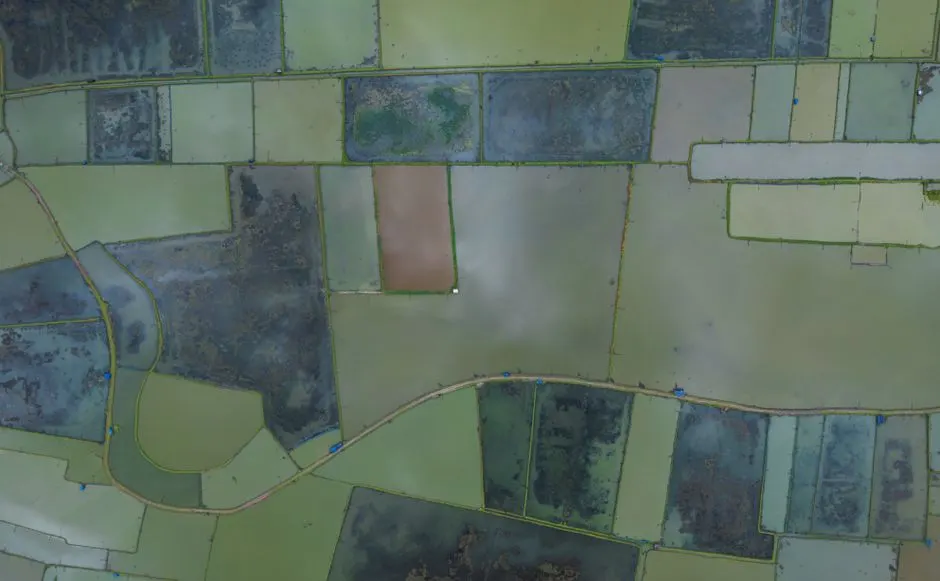
Full Thermal Imaging Scan
We scan every accessible wall, ceiling, and floor with a FLIR thermal imaging camera. This shows temperature differences caused by evaporating moisture. You see exactly where wet areas are, even behind finished surfaces.
Every moisture inspection includes thermal imaging, meter readings, and a written report. Here is exactly what you get when you book our service.
We scan every accessible wall, ceiling, and floor with a FLIR thermal imaging camera. This shows temperature differences caused by evaporating moisture. You see exactly where wet areas are, even behind finished surfaces.
We verify every thermal anomaly with a Protimeter or Bosch moisture meter. Pin-type meters read moisture content inside materials. Pinless meters scan through tile and finished surfaces. Every reading is recorded as a percentage.
You receive a floor plan marked with every moisture reading. Wet areas are clearly identified, and you can see the boundaries between wet and dry zones. This map tells your contractor exactly where to focus drying equipment.
We photograph every moisture reading and thermal image. Your report includes visual proof of the moisture conditions we found. This documentation is formatted for insurance claims and contractor estimates.
We tell you what needs to happen next. Sometimes it is a simple dehumidifier. Other times you need a plumber, roofer, or remediation contractor. We give you the information and let you decide who does the repair work.
Moisture Mapping and Detection Fort Worth TX is the process of using specialized tools to locate and measure hidden moisture inside your home or building. We use pin-type and pinless moisture meters, thermal imaging cameras, and hygrometers to read moisture levels in walls, ceilings, floors, and crawl spaces without tearing anything apart. A typical inspection takes one to three hours depending on square footage. We map every reading so you can see exactly where the water is and how wet each area is.
Fort Worth homes face unique moisture challenges. Our clay soils shift with every wet and dry cycle, which cracks slabs and lets water seep into foundations. Summer humidity sits above 60% for weeks, and afternoon thunderstorms dump two inches of rain in an hour. That combination drives water into attics, crawl spaces, and wall cavities where it feeds black mold and toxic mold. If you have had a water leak or noticed a musty odor, a professional moisture detection Fort Worth service can find the source before mold takes hold.
Every job follows the same five steps. You get clear answers, a written report, and a plan for what to do next.
Schedule
Call or book online — a real human picks up and confirms a 2-hour arrival window.
Diagnose
Licensed tech inspects on-site, then walks you through the cause and your options.
Fix
The job is completed to code and done right the first time — no shortcuts, no surprises.
Guarantee
Every job backed by a written workmanship warranty — and we stand behind it.
FLIR Thermal Imaging Camera
Detects temperature differences caused by evaporating moisture. Shows wet areas behind walls, under floors, and above ceilings without any demolition.
Protimeter Moisture Meter
Pin-type meter that reads moisture content inside wood, drywall, and other materials. Gives precise percentage readings so you know exactly how wet each area is.
Bosch Moisture Meter
Pinless meter that scans through tile, finished surfaces, and dense materials. Used to verify thermal anomalies without leaving pin holes.
Hygrometer
Measures relative humidity in the air. Used to assess indoor humidity levels and determine whether condensation is contributing to moisture problems.
Boroscope
Flexible camera that fits inside wall cavities and crawl spaces. Lets us see moisture damage and mold growth in areas that are otherwise inaccessible.
Zefon Air-O-Cell Cassettes
Spore trap cassettes used with air sampling pumps to collect airborne mold spores. Samples are sent to LabCorp or EMSL Analytical for analysis.
ANSI/IICRC S520 Standard
The industry standard for mold and moisture assessment. We follow S520 protocols for moisture mapping, documentation, and remediation recommendations. This ensures our reports meet insurance and remediation contractor requirements.
Thermal Imaging Verification
We scan with thermal imaging first, then verify every anomaly with a moisture meter. This two-step process eliminates false positives from insulation gaps or air leaks and confirms actual moisture presence.
Moisture Mapping Documentation
Every reading is recorded on a floor plan with percentage values. You see the wet areas, the dry areas, and the boundaries between them. This documentation is formatted for insurance claims and contractor estimates.
Source Tracing
Finding moisture is only half the job. We trace moisture back to its source, whether that is a slab leak, roof leak, plumbing drip, or condensation. Knowing the source lets you fix the problem instead of just drying the symptoms.
01
What we do: We map moisture across the entire affected area with thermal imaging and meters. Even if the surface feels dry, moisture can remain trapped inside wall cavities and under flooring. We find it and document it.
→ You know exactly where moisture remains and can direct drying equipment to the right spots. This prevents mold growth and saves you from unnecessary tear-out.
02
What we do: We perform a full moisture assessment before closing. Thermal imaging and meter readings document the extent of any moisture problems. Our report gives you facts to negotiate with or to plan repairs.
→ You make an informed purchase decision. If moisture problems exist, you know the scope and can ask the seller to fix them or adjust the price.
03
What we do: We inspect HVAC components and map moisture in the air handler, ductwork, and surrounding areas. High indoor humidity often means the system is not removing moisture properly or there is a hidden water source.
→ You get a clear diagnosis of whether the problem is HVAC performance, a hidden leak, or poor ventilation. We recommend the right fix.
04
What we do: We measure humidity levels and assess ventilation throughout your home. Condensation means warm moist air is hitting cold surfaces. We find where the moisture is coming from and how to stop it.
→ You learn whether you need better ventilation, a dehumidifier, or insulation improvements. Stopping condensation prevents mold growth on windows, walls, and ceilings.
Fort Worth sits on expansive clay soil that swells when wet and shrinks when dry. That movement cracks slabs, shifts foundations, and opens pathways for water intrusion. Summer humidity averages 65% for months, and afternoon thunderstorms can drop two inches of rain in under an hour. Older neighborhoods like Fairmount and Ryan Place have original plumbing and minimal vapor barriers, while newer construction in Eastchase sometimes has HVAC condensation issues. We adjust our moisture assessment Fort Worth TX approach based on your home's age, construction type, and location. If you need moisture detection after water leak Fort Worth Texas service, we prioritize those calls for same-day response because mold can start growing within 24 to 48 hours.
Fairmount
Historic bungalows with original plumbing and pier-and-beam foundations. Crawl space moisture is common, and old pipes develop slow leaks that go unnoticed for months.
Arlington Heights
Mix of 1920s homes and newer construction. We often find roof leaks and attic moisture from aging flashing and inadequate ventilation.
Eastchase
Newer construction with tight building envelopes. HVAC condensation and poor attic ventilation create moisture problems that homeowners do not expect in new homes.
Ridglea
Mid-century homes with slab foundations. Clay soil movement causes slab cracks and plumbing leaks that drive moisture up through flooring.
Expansive clay soil movement
Soil shifts crack slabs and foundations, creating pathways for water intrusion. We map moisture patterns that indicate slab leaks or foundation seepage.
Summer humidity above 60%
High outdoor humidity keeps indoor spaces damp even without a leak. We measure indoor humidity and assess whether ventilation or dehumidification is needed.
Afternoon thunderstorm flooding
Two-inch rain events in one hour overwhelm drainage and drive water into crawl spaces and basements. We prioritize same-day inspections after major storms.
Aging plumbing in older neighborhoods
Original galvanized and cast iron pipes develop slow leaks inside walls. We use thermal imaging to find moisture without tearing into finished surfaces.
These are the most common moisture issues we find in Fort Worth homes and commercial buildings. If you recognize any of these, call us for a moisture assessment.
Problem
Hidden moisture behind walls or under floors feeds mold growth. By the time you see it, mold has already colonized and may have spread spores through your HVAC system.
Our Fix
We use thermal imaging to find the moisture source without tearing into walls. Once we map the wet area, we trace it back to the source, whether that is a slow leak, condensation, or high humidity. You get a clear answer and a plan to fix it.
Problem
A water stain means moisture has already penetrated the surface. The wet area is usually three to five times larger than the visible stain. Mold can start growing within 48 hours.
Our Fix
We map the full extent of moisture around every stain. Thermal imaging shows how far water has traveled through the wall cavity or ceiling assembly. You know exactly how much material needs to be dried or replaced.
Problem
Indoor humidity above 60% creates ideal conditions for mold growth on walls, furniture, and clothing. It also makes your HVAC system work harder and increases energy bills.
Our Fix
We measure humidity with hygrometers and assess ventilation, insulation, and HVAC performance. If condensation is the problem, we recommend dehumidifiers and ventilation improvements that bring humidity below 50%.
Problem
Fort Worth clay soil shifts with wet and dry cycles, cracking slabs and letting water seep into foundations. Slab leaks waste water and drive moisture up through flooring into living spaces.
Our Fix
We use thermal imaging and moisture meters to detect moisture patterns that indicate slab leaks. We map the affected area and recommend a plumber for leak repair. Early detection prevents foundation damage and mold growth.
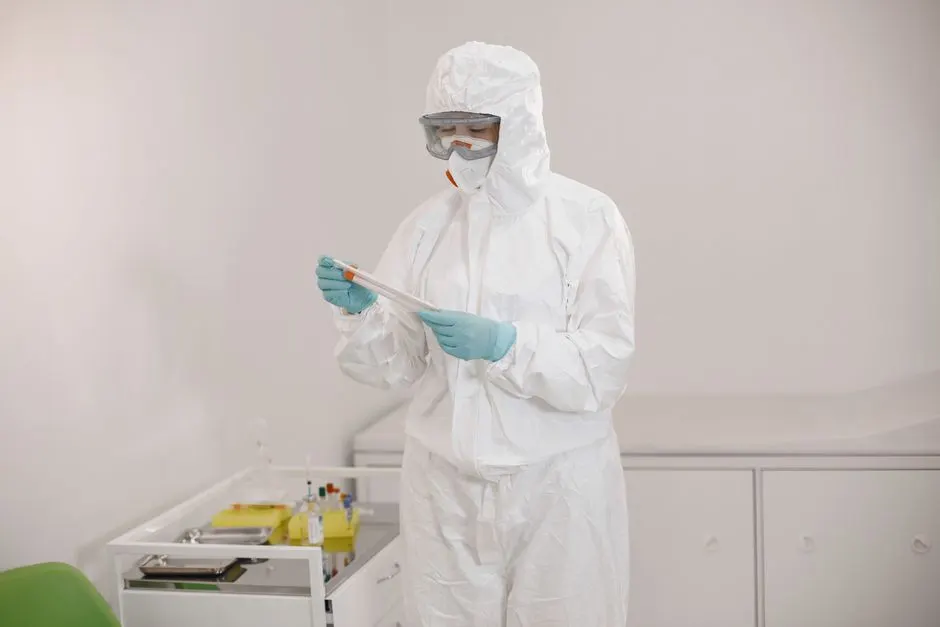
Finding moisture early saves you thousands in repairs. Here is what our moisture assessment near me Fort Worth service delivers for your property.
Stop Mold Before It Starts
Mold needs 24 to 48 hours of moisture to colonize. Our moisture assessment Fort Worth TX service finds wet spots within hours of a leak, so you can dry the area before mold spores ever germinate. We pinpoint the exact moisture boundaries so your drying contractor knows exactly where to aim equipment.
Avoid Tear-Out Guesswork
Without moisture mapping, contractors cut open walls hoping to find the problem. We use thermal imaging cameras and Protimeter meters to see behind drywall, under tile, and inside ceiling cavities. That means less demolition, faster repairs, and hundreds of dollars saved on unnecessary tear-out.
Document Damage for Insurance
Insurance adjusters want proof of moisture extent before they approve a claim. Our moisture meter testing Fort Worth TX reports include thermal images, meter readings, and a moisture map you can hand directly to your adjuster. We document every affected area with photos and numerical readings.
Protect Your Property Value
Hidden moisture destroys framing, subfloor, and drywall from the inside out. A $300 moisture assessment now can prevent a $12,000 repair later. We find slab leaks, roof leaks, and HVAC condensation before they rot structural wood or cause expensive foundation damage.
Google ★★★★★4.9
Fort Worth Mold Testing found moisture in our attic that two other inspectors missed. The thermal imaging showed exactly where the roof leak was. They gave us a detailed report with photos and meter readings. We fixed the leak and avoided mold remediation. Highly recommend.
Yelp ★★★★★5.0
We had a slab leak and needed moisture mapping for our insurance claim. The technician was thorough and professional. The report was detailed enough that our adjuster approved the claim without any questions. Worth every penny.
BBB A+
Called on a Monday morning about a musty smell in our crawl space. They came out the same afternoon and mapped moisture across the entire area. Found a plumbing leak we did not know about. Professional, prompt, and honest.
Google ★★★★★4.8
We used Fort Worth Mold Testing for a real estate transaction. The moisture assessment was thorough and the report was clear. It helped us negotiate repairs with the seller. Fast turnaround and fair pricing.
Our technicians hold IICRC and ACAC certifications and train on the latest thermal imaging and moisture meter technology. We have mapped moisture in hundreds of Fort Worth homes, from 1920s bungalows in Fairmount to new construction in Eastchase. We understand how Fort Worth's clay soil, humid summers, and aging housing stock create moisture problems that do not show up in a visual inspection. Every technician carries a full kit: FLIR thermal camera, Protimeter moisture meter, hygrometer, and boroscope for wall cavity inspection.
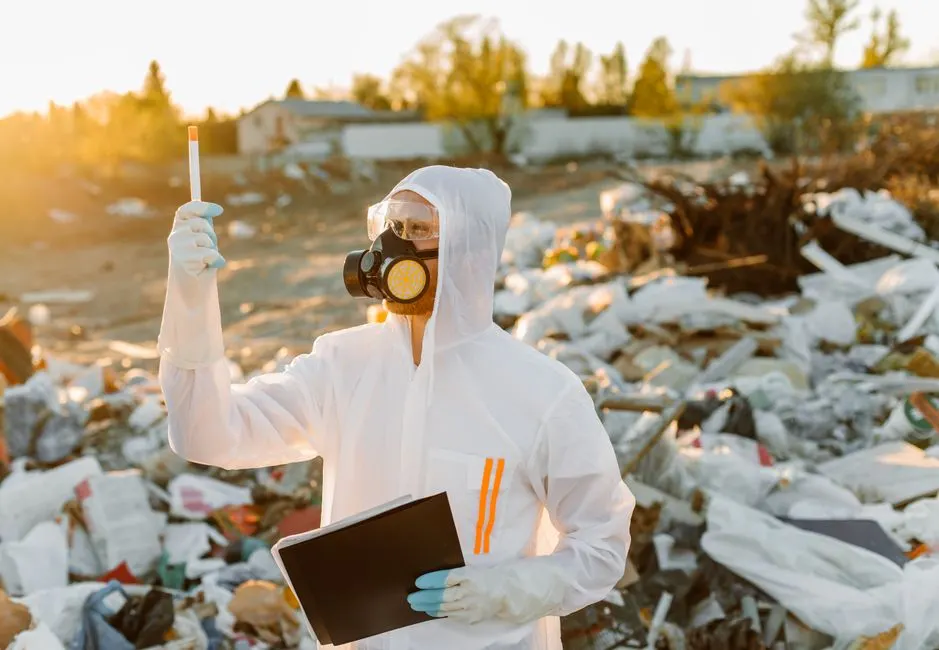
Real answers to the questions we hear most often from local homeowners and property managers.
Moisture mapping is the first step in any mold inspection. Once we find the moisture, we inspect for visible mold growth and determine whether the problem is active or historical. Fort Worth homeowners use both services together after a water leak or roof leak.
View Mold InspectionAfter moisture mapping identifies wet areas, mold testing confirms whether mold spores are present. We collect air samples with Zefon Air-O-Cell cassettes and surface samples with tape lifts. LabCorp and EMSL Analytical process our samples with results in two to three days.
View Mold TestingMoisture problems often degrade indoor air quality. We use air sampling pumps and particle counters to measure spore levels throughout your Fort Worth home. If moisture mapping shows hidden water, air quality testing tells you whether that moisture has already affected the air you breathe.
View Air Quality TestingThermal imaging is a core tool in moisture mapping. Our FLIR cameras detect temperature anomalies caused by hidden moisture, air leaks, and missing insulation. We use thermal imaging on every moisture inspection to see behind walls without cutting into them.
View Thermal Imaging InspectionWhen moisture mapping reveals active mold growth, we write a remediation protocol following ANSI/IICRC S520 standards. The protocol tells your remediation contractor exactly what to remove, what to clean, and what clearance testing is required before the job is complete.
View Mold Remediation ProtocolAfter remediation, clearance testing confirms the mold is gone and moisture levels are back to normal. We use moisture meters and air sampling to verify the area is dry and spore counts have returned to outdoor baseline levels.
View Post-Remediation Clearance TestingCall (866) 896-8166 or email info@fortworthmoldtesting.com and we will get you on the schedule. We answer calls Monday through Friday from 8am to 6pm and run emergency response for water damage and post-storm inspections. Most standard inspections are booked within a day or two.
Phone
+18668968166Address
Fort Worth, Texas
Hours
Mon–Fri: 7AM – 7PM
Sat: 8AM – 4PM
Sun: Emergency Only
24/7 Emergency Available