
Texas Christian University
The main campus is a central reference point. We use it to locate nearby streets and neighborhoods like Bluebonnet Place and University Place.
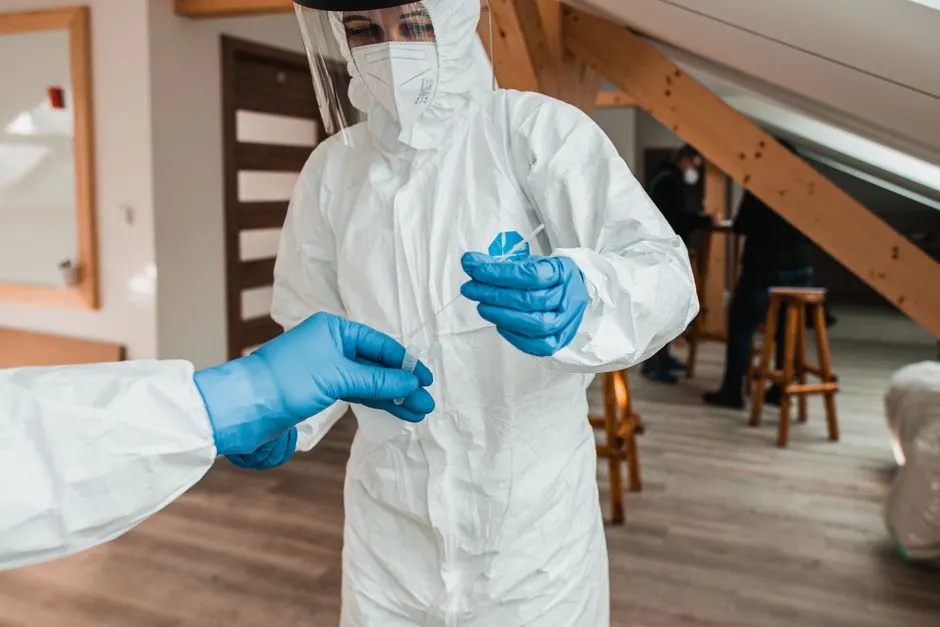
Fort Worth Mold Testing provides Mold Inspection and Testing in TCU Area for homeowners, landlords, and property managers who need straight answers about indoor air quality. We work the 76109 and 76129 ZIP codes every week, from the student rentals around TCU Campus to the older fraternity and sorority houses near University Place. This area has a mix of high-turnover student housing and aging infrastructure, and both create ideal conditions for mold. Shower humidity in shared bathrooms, roof leaks in older homes, and poor ventilation in converted spaces all drive spore growth. We use moisture meters, thermal imaging cameras, and air sampling pumps to locate the source, not just the stain. Our mold testing services TCU Area TX clients rely on include lab analysis through EMSL Analytical and Mycometrics, so you get documented results you can act on. Whether you are a parent checking on a student rental or a landlord preparing a property for the next lease, we deliver clear findings and a written protocol. Call us for affordable Mold Inspection and Testing TCU Area TX.
Mold Inspection and Testing in TCU Area covers a lot of ground, from single-family homes near Amon G. Carter Stadium to multi-unit student rentals near TCU Campus. We tailor every job to the property type and the specific moisture problem. Whether you need a quick air quality check or a full inspection with lab analysis, we have the tools and the local experience to get it done right. If you have been searching for Mold Inspection and Testing in TCU Area near me, we are ready to help.
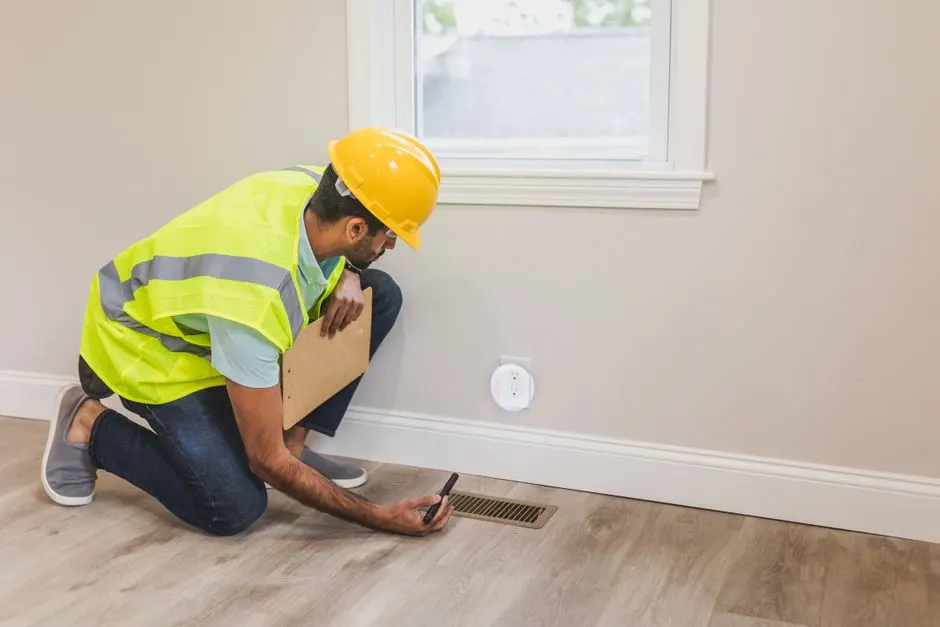
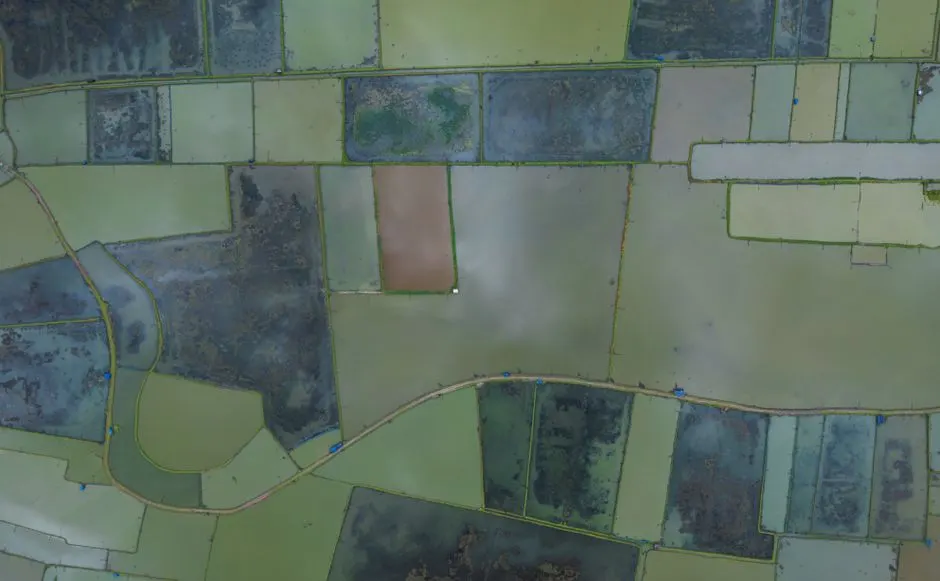
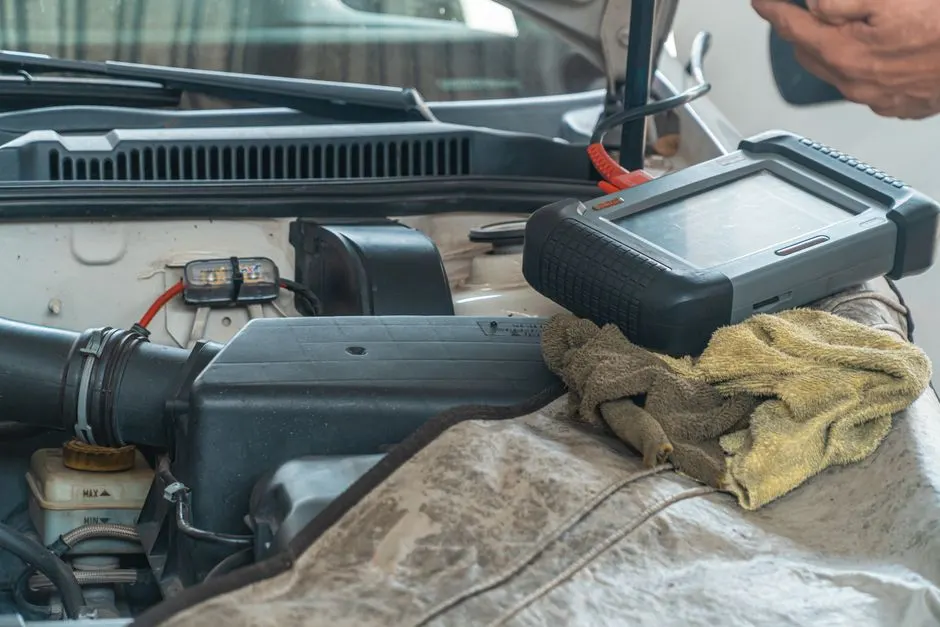
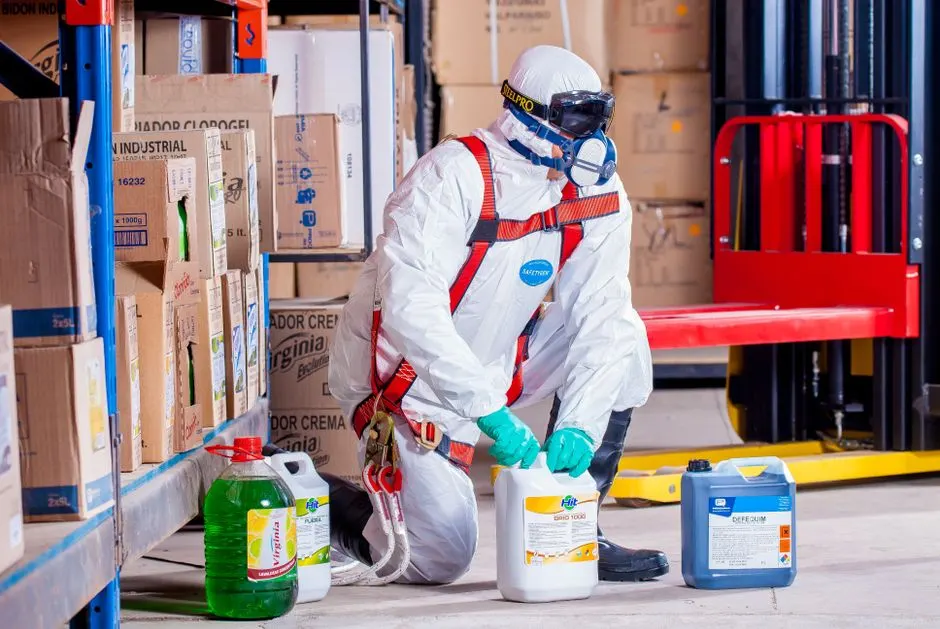
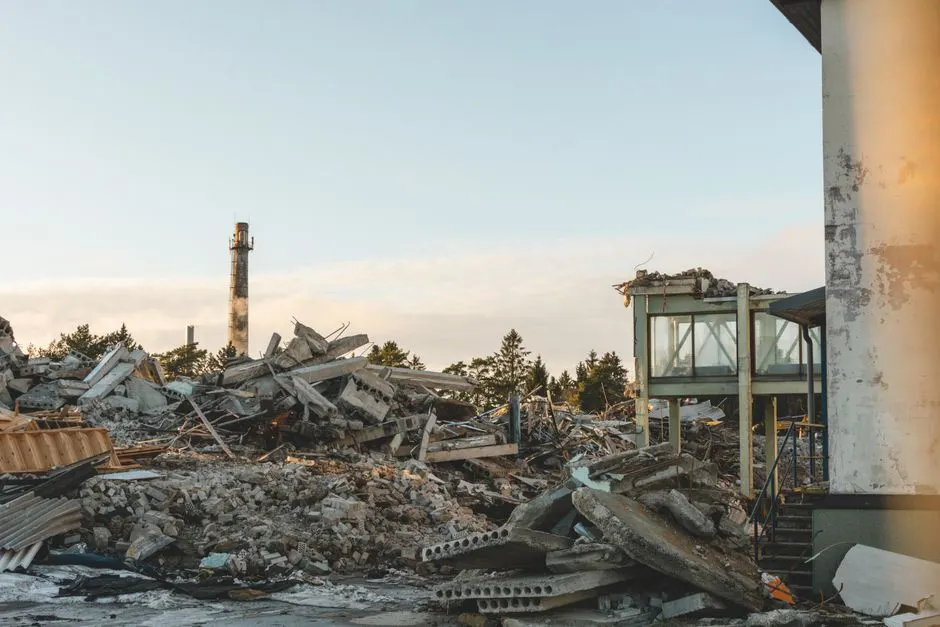
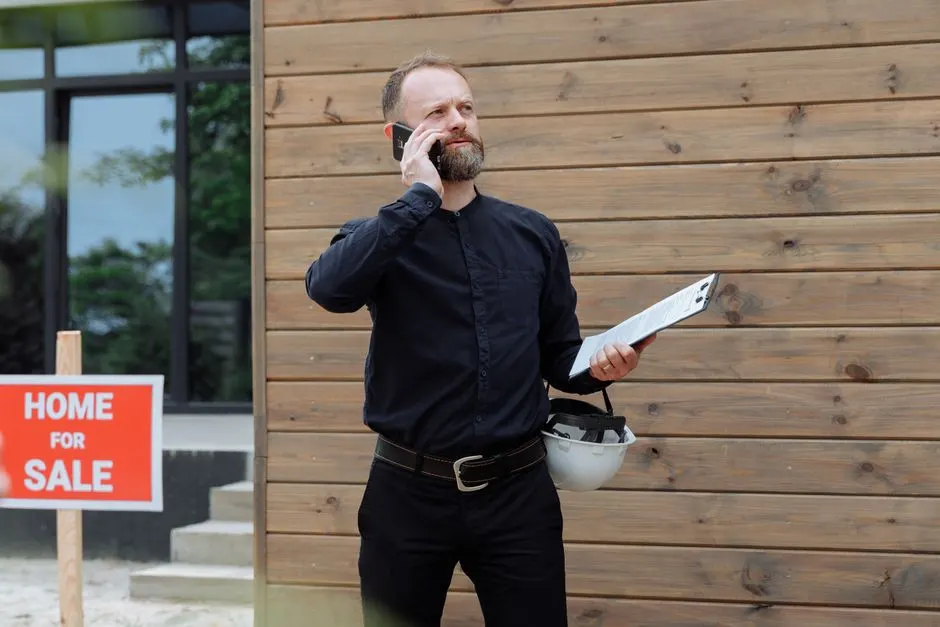

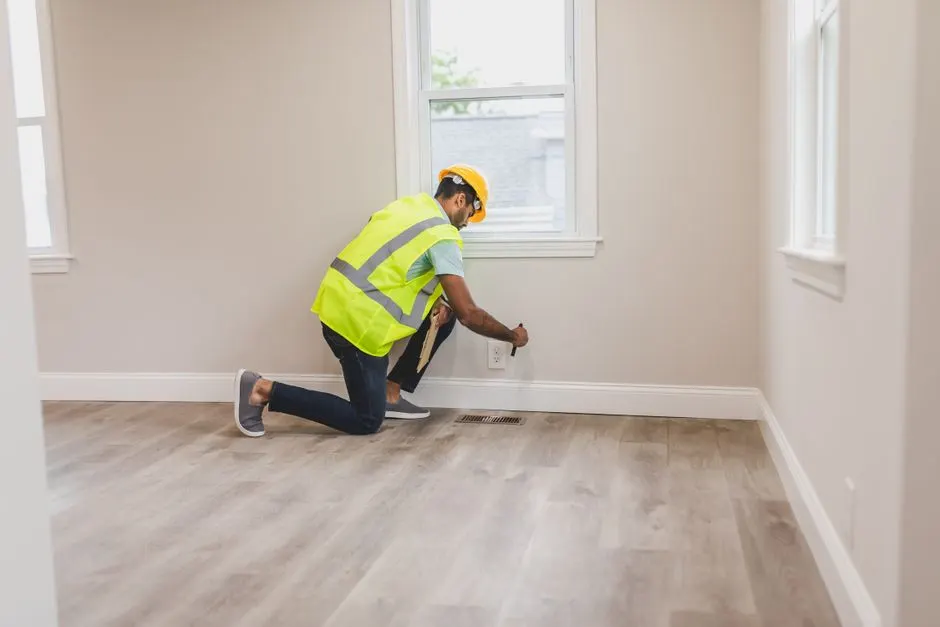
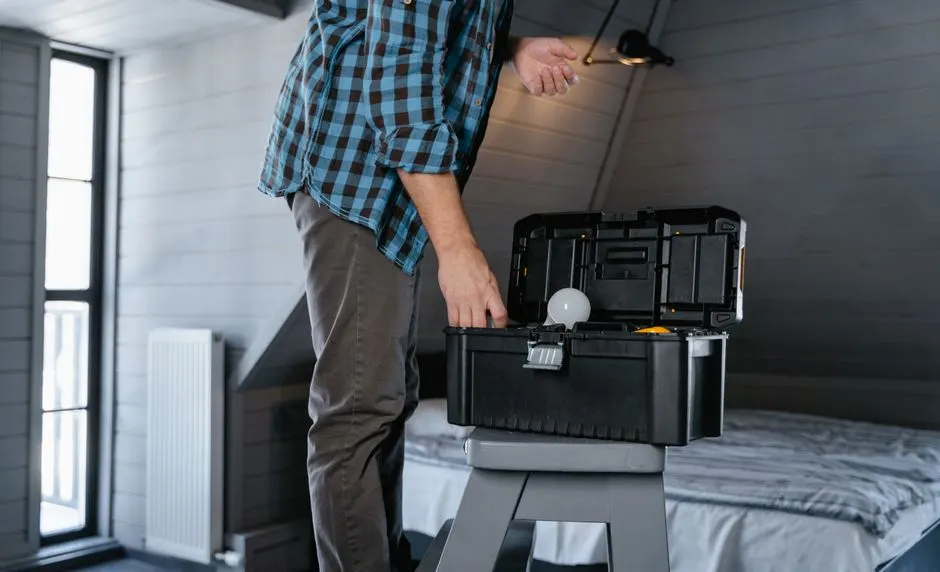
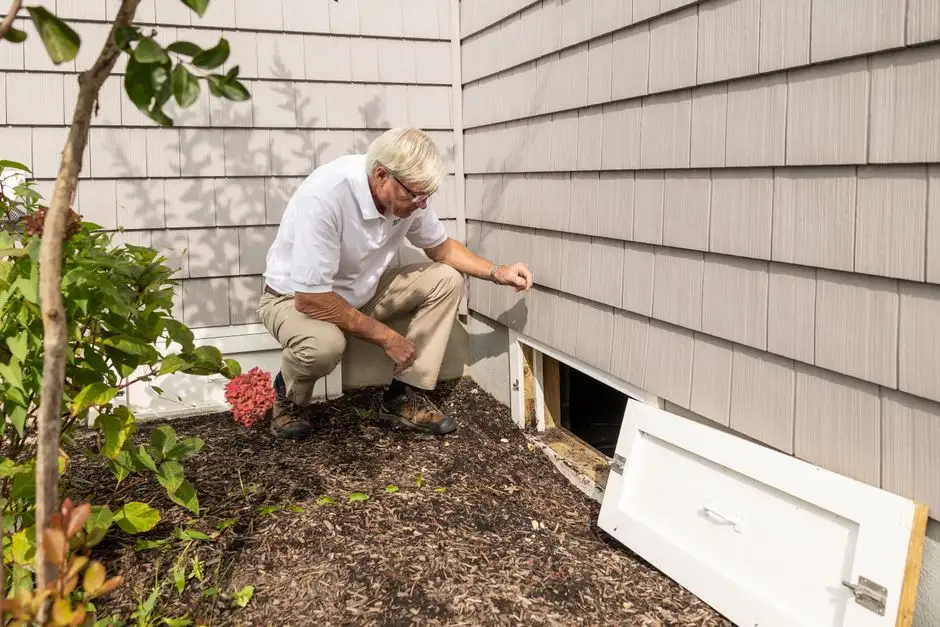


TCU Area has specific conditions that lead to mold problems. High humidity, older housing stock, and student turnover all play a role. We see these issues repeatedly and know how to solve them. If you are dealing with any of these, call us for mold testing services TCU Area TX.
Shared bathrooms in student rentals get heavy use, and exhaust fans are often undersized or broken. Humidity builds up and condenses on walls, leading to mold growth.
Many TCU Area homes have aging roofs that leak during storms. Water enters the attic and soaks insulation, creating a damp environment for mold.
HVAC systems in TCU Area homes can accumulate moisture and dust, especially if filters are not changed regularly. Mold grows on coils and in ductwork, then circulates through the home.
Crawl spaces in older TCU Area homes often have exposed soil and poor ventilation. Humidity from the ground rises into the crawl space and condenses on wood, leading to mold.
If you notice any of these signs, it is time to call for Mold Inspection and Testing in TCU Area. Ignoring them can lead to bigger problems and higher costs. We can usually schedule a same-day mold inspection TCU Area TX appointment if you call before noon.
Musty or earthy odor in a room
A persistent musty smell often means mold is growing nearby, even if you cannot see it. In TCU Area homes, this is common in bathrooms, attics, and basements. The smell comes from mold spores and microbial volatile organic compounds (MVOCs). If you notice it, call us for testing.
Visible black or green spots on walls or ceilings
Black mold or green mold growth is a clear sign of a moisture problem. It can appear after a leak, flood, or high humidity. In older TCU Area homes, roof leaks and plumbing issues often lead to visible mold. Do not disturb it; call a professional for testing and remediation.
Water stains or discoloration on walls or ceilings
Water stains indicate a past or present leak. Even if the stain is dry, mold may have already started growing behind the surface. We use moisture meters and thermal imaging to check for hidden moisture. Early detection prevents mold from spreading.
Peeling paint or bubbling wallpaper
Moisture behind walls can cause paint to peel or wallpaper to bubble. This is a sign that water is trapped inside the wall cavity, creating a perfect environment for mold. We inspect these areas closely and test for mold if needed.
Frequent allergy symptoms indoors
If you or your family experience sneezing, coughing, or itchy eyes when inside your home, mold could be the cause. Airborne mold spores can trigger allergies and asthma. Air quality testing can confirm if mold spores are elevated in your TCU Area home.
When we head to a job in TCU Area, we use local landmarks to navigate and orient ourselves. Texas Christian University is the main anchor, and we often meet clients near Amon G. Carter Stadium or Ed and Rae Schollmaier Arena. These spots help us find nearby streets and parking. We also know the side streets around TCU Campus where student rentals are concentrated. If you are near a landmark, just tell us and we will find you.
The main campus is a central reference point. We use it to locate nearby streets and neighborhoods like Bluebonnet Place and University Place.
This stadium is a well-known landmark on the west side of campus. It helps us orient when heading to properties in the 76129 ZIP code.
Located on the TCU Campus, this arena is another useful reference point for finding nearby residential streets.
Plus surrounding Tarrant County neighborhoods, with same-day routing on most appointments.
Averaging 4.9 / 5 across verified reviews.
“We called Fort Worth Mold Testing after noticing a musty smell in our rental near TCU Campus. They came out the same day and found mold behind the bathroom wall. The inspection was thorough and they explained everything clearly. The lab report was detailed and helped us get the landlord to fix the problem. Highly recommend for anyone in TCU Area.”
Sarah M.
TCU Campus
“As a property manager, I need fast, reliable mold inspections. Fort Worth Mold Testing has helped me with several properties in University Place. They are always on time, professional, and their reports are top-notch. They found a hidden leak that was causing mold in a fraternity house. Their remediation protocol was clear and easy to follow.”
David L.
University Place
“We had a roof leak that led to mold in our attic. I was worried about the cost, but Fort Worth Mold Testing offered affordable mold inspection in TCU Area. They used thermal imaging to find all the moisture and gave us a detailed report. The whole process was stress-free. I appreciated their honesty and expertise.”
Emily R.
Bluebonnet Place
Mold growth in TCU Area varies by season. Understanding the seasonal patterns helps you know when to schedule Mold Inspection and Testing in TCU Area. We adjust our approach based on the time of year and the specific risks.
Spring rains in TCU Area can lead to roof leaks and water intrusion. Mold growth often spikes after heavy rains. We see increased calls for attic and ceiling inspections.
Tip: Check your roof for missing shingles and inspect your attic for leaks after storms. Schedule an inspection if you notice any water stains.
Summer heat and humidity in TCU Area create ideal conditions for mold. Air conditioning systems run constantly, and condensation can form on ducts. We often find mold in HVAC systems and bathrooms.
Tip: Keep your AC running to reduce humidity, and change filters regularly. If you notice musty odors, call us for air quality testing.
Fall brings cooler temperatures but also rain. Leaves can clog gutters, causing water to back up and leak into the roof. Mold can develop in attics and walls.
Tip: Clean your gutters before winter. Inspect your attic for any signs of moisture or mold. Schedule a pre-winter inspection to catch problems early.
Winter in TCU Area is mild, but indoor heating can dry out the air, leading to condensation on cold surfaces. Mold can still grow in bathrooms and kitchens. We also see mold from undetected leaks.
Tip: Use exhaust fans when showering and cooking. Check under sinks for leaks. If you see condensation on windows, increase ventilation.
From our base in TCU Area, we provide Mold Inspection and Testing to several nearby cities and neighborhoods. Whether you are in Downtown Fort Worth or Arlington Heights, we can get to you quickly. We treat every location with the same thorough approach and local knowledge.
(City)
About 10 minutes east of TCU Area via I-30. We serve many downtown condos and offices.
View Downtown Fort Worth(City)
Just east of downtown, about 12 minutes away. We inspect both residential and commercial properties here.
View Sundance Square(City)
Located between TCU Area and downtown, about 8 minutes away. Many older homes and museums.
View Cultural District(City)
Adjacent to TCU Area, about 5 minutes east. A mix of apartments and businesses.
View West 7th(City)
About 15 minutes southeast. We serve the historic homes and new developments there.
View Near Southside(City)
About 10 minutes northwest. A residential area with many older homes.
View Arlington HeightsReal answers from our team for the questions we hear most often before a job starts.
If you need Mold Inspection and Testing in TCU Area, call Fort Worth Mold Testing at +1 866-896-8166. We are licensed, insured, and ready to help. We serve all of TCU Area, including 76109 and 76129 ZIP codes. Same-day appointments are often available. Do not wait until mold spreads. Call us now for a free quote.
Call (866) 896-8166 or email info@fortworthmoldtesting.com and we will get you on the schedule. We answer calls Monday through Friday from 8am to 6pm and run emergency response for water damage and post-storm inspections. Most standard inspections are booked within a day or two.
Phone
+18668968166Address
Fort Worth, Texas
Hours
Mon–Fri: 7AM – 7PM
Sat: 8AM – 4PM
Sun: Emergency Only
24/7 Emergency Available