
On-Site Visual Inspection
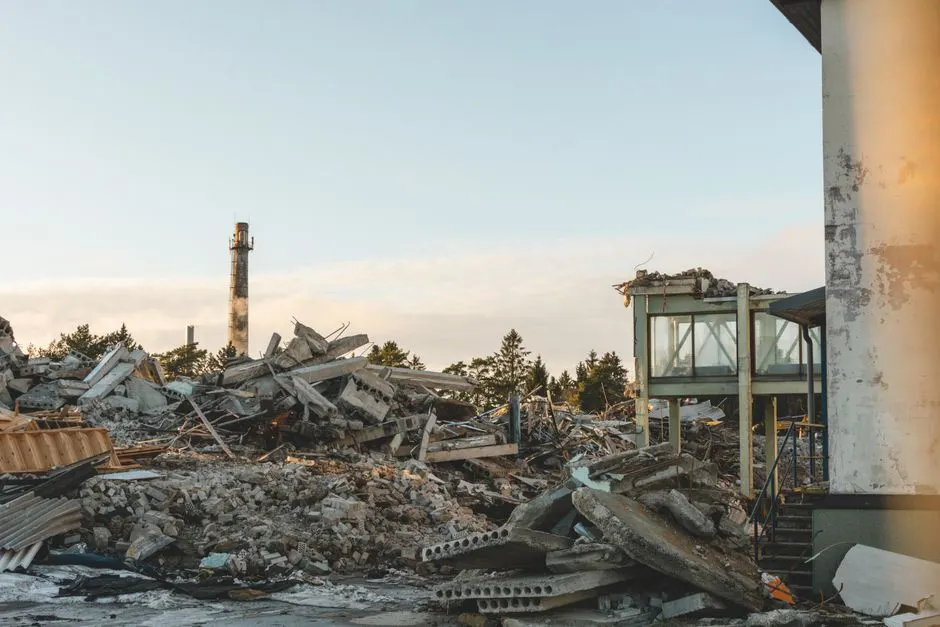
A technician walks the remediated area, adjacent rooms, and HVAC zones looking for visible mold, staining, and missed debris. We photograph everything and note conditions room by room.
Every clearance job includes the on-site inspection, sampling, lab analysis, and written report. Add-ons like ERMI, mycotoxin testing, and rush lab turnaround are quoted separately when you need them.
A technician walks the remediated area, adjacent rooms, and HVAC zones looking for visible mold, staining, and missed debris. We photograph everything and note conditions room by room.
We use a Protimeter moisture meter and FLIR thermal imaging camera to check framing, drywall, and subfloor. Any reading above normal is flagged with a location and a recommended next step.
Zefon Air-O-Cell spore trap cassettes capture airborne spores inside and outside the containment area. Tape lift and swab samples are taken from cleaned surfaces when the scope calls for it.
Samples ship same-day to EMSL Analytical or LabCorp. You get genus-level identification, spore counts, and a comparison against the outdoor control sample.
A clear report with photos, moisture data, lab results, and a pass or fail call. It is formatted for remediators, real estate agents, landlords, and insurance adjusters.
We walk you through the findings by phone or on site. If the job failed, we tell you what needs to happen before a re-test. If it passed, you know the space is ready to rebuild or reoccupy.
Post-Remediation Clearance Testing Fort Worth TX is an independent inspection that verifies mold levels have returned to normal after a remediation job. We set up air sampling pumps with spore trap cassettes, run a thermal imaging camera and moisture meter across the affected area, and take tape lift or swab samples from surfaces the remediator cleaned. Everything goes to a third-party lab like EMSL Analytical or LabCorp, and you get a written report with spore counts, moisture readings, and a pass or fail call.
Fort Worth homes deal with the same moisture problems year after year: high humidity through summer, slab leaks in older pier-and-beam houses, roof leaks after spring hail, and condensation on HVAC ducts in tight newer builds. When a remediator finishes, you need a clearance inspection Fort Worth TX that is not run by the same company that did the work. That is where we come in. Whether you are a homeowner in Ridglea, a landlord in Near Southside, or a buyer needing clearance testing after mold remediation Fort Worth Texas, we give you a report that stands on its own.
We keep it simple: you call, we inspect, the lab confirms, you get a report. Here is exactly what happens from the first phone call to the final document.
Schedule
Call or book online — a real human picks up and confirms a 2-hour arrival window.
Diagnose
Licensed tech inspects on-site, then walks you through the cause and your options.
Fix
The job is completed to code and done right the first time — no shortcuts, no surprises.
Guarantee
Every job backed by a written workmanship warranty — and we stand behind it.
Zefon Air-O-Cell Spore Trap Cassettes
Capture airborne mold spores for lab analysis. We run one inside the remediated area and one outside as a baseline control.
Protimeter Moisture Meter
Measures moisture content in drywall, framing, and subfloor. Readings above normal indicate hidden water that can restart mold growth.
FLIR Thermal Imaging Camera
Reveals temperature differences that point to hidden moisture, missing insulation, or air infiltration behind finished surfaces.
Boroscope
Lets us look inside wall cavities, ductwork, and crawl spaces without cutting open finished surfaces.
Air Sampling Pump
Draws a calibrated volume of air through spore trap cassettes so lab results reflect real airborne concentrations.
Hygrometer and Particle Counter
Measures relative humidity and airborne particulate levels. High humidity or particle counts often explain failed clearance tests.
ERMI Dust Cloths and Mycotoxin Test Kits
Optional add-ons through Mycometrics that give a broader mold index or detect mycotoxins when standard spore counts look normal.
ANSI/IICRC S520 Clearance Standard
We follow the S520 standard for post-remediation verification, including visual inspection, moisture checks, and air sampling. This is the benchmark remediators, insurers, and attorneys expect to see in a clearance report.
Indoor vs. Outdoor Control Sampling
Every clearance job includes an outdoor control sample so lab results can be compared against natural background spore levels. A pass means indoor counts match or fall below outdoor baseline.
Tape Lift and Swab Surface Sampling
When surfaces were cleaned, we take tape lift or swab samples to confirm no residual mold debris remains. These are especially useful on HVAC components and framing.
Moisture Mapping and Thermal Sweep
We combine moisture meter readings with thermal imaging to map wet areas behind walls and under floors. Any hidden moisture is documented with photos and a recommended fix.
01
What we do: We run air samples inside the attic and outside as a control, check rafters and decking with a moisture meter, and confirm the containment was properly removed.
→ You get a written pass or fail report the same week, so the remediator can close the job and you can reinsulate with confidence.
02
What we do: We inspect the crawl space, run air and surface samples, and check for hidden moisture under the subfloor with a boroscope and thermal camera.
→ You know before closing whether the prior remediation actually worked, and you have documentation to negotiate repairs if it did not.
03
What we do: We inspect the unit, sample the HVAC system and affected rooms, and produce a report formatted for both the tenant and the property owner.
→ The landlord has defensible documentation, and the tenant has independent confirmation the unit is safe to occupy.
04
What we do: After remediation, we run clearance testing across multiple HVAC zones and document moisture readings in every affected room.
→ The property manager gets a report that satisfies the insurer and shows employees the space is ready to reoccupy.
Fort Worth sits in a climate that swings hard: humid Gulf air through summer, dry heat in August, and fast temperature drops in winter that drive condensation on cold surfaces. Older neighborhoods like Fairmount, Ryan Place, and Mistletoe Heights have pier-and-beam construction with crawl spaces that trap moisture, while newer builds in Eastchase and Wedgwood deal with tight envelopes and HVAC condensation. Roof leaks after spring hail and slab leaks in aging plumbing are two of the most common reasons we get called for professional clearance testing Fort Worth. We schedule around your remediator's timeline, coordinate with real estate agents when a closing is on the line, and deliver reports that hold up with TDLR, insurers, and buyers. If you need clearance inspection near me Fort Worth TX 24/7, we run emergency slots for late-finishing jobs and weekend closings.
Fairmount
Historic pier-and-beam homes with crawl spaces that hold humidity. Clearance testing here always includes a crawl space moisture check.
Ridglea
Mix of 1950s ranch homes and newer builds. Slab leaks and HVAC condensation are common reasons for mold remediation and clearance testing.
Eastchase
Newer construction with tight envelopes. Poor ventilation and duct condensation drive mold growth, so we sample HVAC zones during clearance.
Near Southside
Renovated bungalows and duplexes. We often test multiple units in one visit for landlords and property managers.
Tanglewood
Larger homes with multiple HVAC systems. Clearance testing includes air sampling at each zone to confirm no cross-contamination.
Summer humidity above 60 percent indoors
High indoor humidity keeps surfaces damp and can cause a clearance test to fail even after a clean remediation. We flag humidity issues and recommend dehumidifiers or ventilation fixes.
Spring hail and roof leaks
Roof leaks soak attic decking and insulation, which is a top source of attic mold in Fort Worth. Clearance testing after attic remediation always includes a roof leak check.
Slab leaks in older plumbing
Slow slab leaks keep flooring and baseboards wet, feeding mold behind walls. We use thermal imaging and moisture meters to catch hidden water before clearance.
HVAC condensation in tight builds
Ducts running through hot attics sweat in summer, dripping moisture into ceilings. We sample HVAC zones during clearance when remediation touched the system.
A failed or skipped clearance test can cost you thousands in rework, delay a closing, or leave mold growing behind fresh paint. Here is what we fix.
Problem
Without lab documentation, you cannot hold the contractor accountable, and a future buyer or tenant can question the work.
Our Fix
We run an independent clearance inspection with air and surface sampling, then hand you a lab-backed report that shows exactly what is in the air and on the surfaces after the job.
Problem
That usually means hidden moisture was missed, and mold is regrowing behind the walls or in the HVAC system.
Our Fix
Our thermal imaging and moisture meter work finds wet framing, duct condensation, and slab leaks the remediator missed. We document the source so it can be fixed before you close up the walls.
Problem
Deals fall apart when buyers cannot get documentation that the mold issue was resolved.
Our Fix
We deliver a written clearance report formatted for agents, lenders, and title companies, often within 48 hours of the inspection, so your closing stays on schedule.
Problem
Unresolved complaints can lead to lease disputes, lost tenants, or OSHA concerns in commercial spaces.
Our Fix
We test the affected area and the HVAC system, produce a report you can share with tenants or regulators, and flag any follow-up work needed to bring the space back to normal.
A remediation crew can tell you the job is done. Only an independent clearance inspection proves it with lab numbers. Here is what you actually get when you book us.
Third-Party Lab Proof
Every sample goes to an accredited lab like EMSL Analytical or Mycometrics, not our back office. You get spore counts, genus identification, and moisture readings in a written report. That report is what a landlord, buyer, or insurance adjuster accepts when they want real evidence the mold is gone.
Faster Project Closeout
Most clearance inspections wrap in two to four hours on site, with lab results back in 24 to 48 hours. That means your remediator can close the job, your contractor can hang drywall, and your family can move back into the space without waiting a week for paperwork.
Catches Failed Remediation
Roughly one in five jobs we re-test still shows elevated spores or hidden moisture. We use a Protimeter moisture meter, FLIR thermal camera, and boroscope to find wet framing behind fresh paint. Catching that now saves you from ripping out a finished wall six months later.
Documented for Real Estate
If you are selling or buying in Fort Worth, a clearance inspection Fort Worth TX report is often what closes the deal. We document conditions with photos, moisture maps, and lab results so your agent, lender, and title company have everything they need in one packet.
Google ★★★★★4.9
Booked them for clearance testing after a remediation job in our attic. They showed up on time, ran air samples, and had lab results back in two days. The report was detailed and easy to understand. The remediator accepted it without pushback.
Yelp ★★★★★4.8
We used Fort Worth Mold Testing for a clearance inspection on a duplex we manage near TCU. They found the HVAC ducts were missed during remediation and documented it clearly. Second test passed after the ducts were cleaned. Fair price and no upsell.
BBB ★★★★★4.9
Independent, honest, and fast. They tested our crawl space after remediation and gave us a straight answer. The report was formatted for our real estate agent and the closing went through without delay. Would use again.
Google ★★★★★5.0
Called on a Friday afternoon and they fit us in same-day for a rush clearance test before a Monday closing. Lab results came back Sunday. Professional, licensed, and easy to work with. Highly recommend for anyone in Fort Worth.
Real answers to the questions we hear most often from local homeowners and property managers.
A full mold inspection Fort Worth homeowners book before remediation starts. We map the affected area, identify the moisture source, and document conditions so your remediator has a clear scope to work from.
View Mold InspectionAir, surface, and bulk sampling that identifies mold genus and spore counts. Mold testing pairs with clearance work because the same lab methods and equipment carry through both phases of the project.
View Mold TestingBroader indoor air quality testing that covers mold spores, particulates, and VOCs. Useful after clearance when you want to confirm the whole home, not just the remediated room, is back to normal.
View Air Quality TestingWe use moisture meters, hygrometers, and thermal cameras to map wet areas behind walls and under floors. Moisture mapping before clearance catches hidden water that would otherwise fail the test.
View Moisture Mapping and DetectionFLIR thermal imaging reveals temperature differences that point to hidden moisture, missing insulation, or air leaks. It is a core part of every clearance inspection we run in Fort Worth.
View Thermal Imaging InspectionA written remediation protocol tells your contractor exactly what to remove, clean, and contain. We write protocols to ANSI/IICRC S520 so the clearance test at the end has a clear standard to measure against.
View Mold Remediation ProtocolCall (866) 896-8166 or email info@fortworthmoldtesting.com and we will get you on the schedule. We answer calls Monday through Friday from 8am to 6pm and run emergency response for water damage and post-storm inspections. Most standard inspections are booked within a day or two.
Phone
+18668968166Address
Fort Worth, Texas
Hours
Mon–Fri: 7AM – 7PM
Sat: 8AM – 4PM
Sun: Emergency Only
24/7 Emergency Available