Logo
Get Estimate

Mold Testing Fort Worth TX you can schedule today

Lab-backed sampling, moisture mapping, and a straight answer on your air


Mold Testing Fort Worth TX starts with a real inspection, not a guess. We run air and surface mold sampling Fort Worth TX inside the rooms you actually live in, then send every sample to an accredited lab. If you have smelled something musty since the last big rain, or you are buying a house in Tarrant County, this is how you find out what is really in the air before you spend a dollar on repairs.

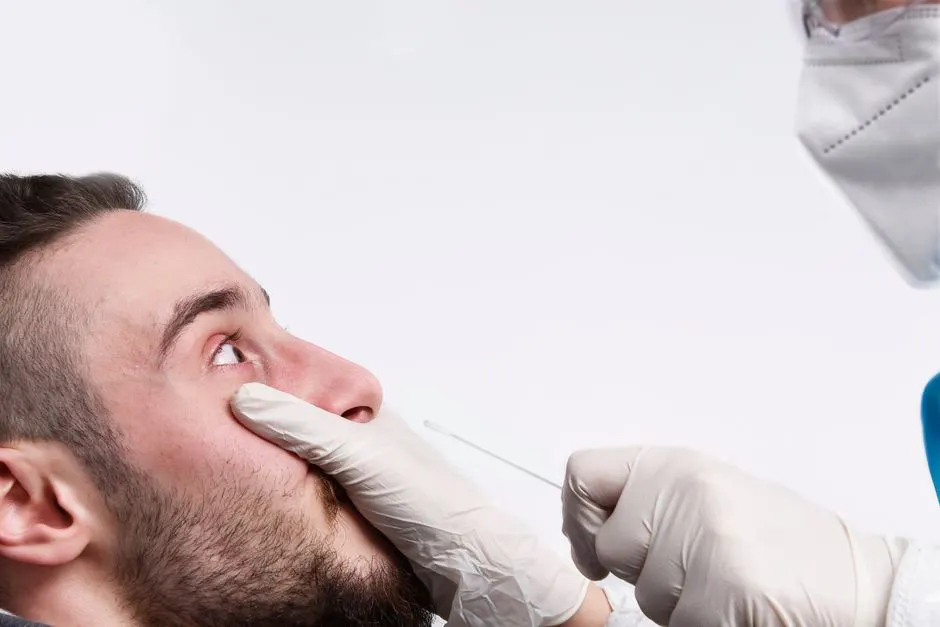
Healthcare worker giving a nasal swab test to a man on a white background.
Licensed Licensed & Bonded
Fully Insured Insured & Bonded
24/7 Emergency Same-Day Response
Warranty Backed Workmanship Guaranteed in Fort Worth

What is included in mold testing

Every job includes the inspection, the sampling, the lab analysis, and a written report. Here is what you get, and what we quote separately if you want it added.

Full visual inspection

A technician walks the property with a moisture meter and thermal imaging camera, checking attics, crawl spaces, baseboards, ceilings, and HVAC components. Every reading gets logged on a floor plan so you can see exactly where the moisture is concentrated.

Air and surface sampling

We collect indoor air samples with Zefon Air-O-Cell spore trap cassettes and pair them with an outdoor baseline. Visible growth gets a tape lift or swab. Sample count depends on square footage and how many suspect zones you have.

Accredited lab analysis

Samples ship to an accredited lab such as EMSL Analytical or LabCorp for microscopy and genus identification. The report shows spore concentration per cubic meter and compares indoor counts against your outdoor baseline.

Written report and summary

You receive the full lab report plus a plain-language summary from our technician. It covers what was found, where the moisture source is, and whether remediation is warranted. We walk you through it by phone so you can ask questions.

Moisture source identification

Testing without finding the water source is half a job. We trace readings back to the failed supply line, roof penetration, or condensation issue causing the problem, and we document it so your repair contractor knows what to fix.

Optional add-ons

ERMI dust cloth testing, mycotoxin test kits, and rush lab turnaround are available for an added fee. We quote these separately so you only pay for what you actually need based on what the inspection turns up.

What Mold Testing Fort Worth TX actually involves


Mold Testing Fort Worth TX is the process of collecting physical samples from the air and surfaces inside your home or building, then having an accredited laboratory identify and count what is there. We do not eyeball a dark spot and call it black mold. We use a moisture meter, a thermal imaging camera, and an air sampling pump to find the water source first, because mold without moisture is not mold for long. Samples go out on spore trap cassettes and tape lifts, and the lab report tells you the genus, the spore count, and how your indoor air compares to outdoor baseline.

Fort Worth homes give mold plenty of chances. Slab leaks push water up through flooring, roof leaks soak attic decking for months before anyone notices, and summer humidity sits at 70 percent or higher while the AC runs nonstop. We see crawl space mold in older pier-and-beam houses near the Near Southside and HVAC mold in newer builds where the drain pan never quite dries out. If you have been searching mold sampling near me Fort Worth, the first step is finding the water, and the second is proving what grew because of it.

How our mold testing process works

Five steps, one visit in most cases, and a lab report in your inbox. Here is exactly what happens from the phone call to the results.

01

Schedule

Call or book online — a real human picks up and confirms a 2-hour arrival window.

02

Diagnose

Licensed tech inspects on-site, then walks you through the cause and your options.

03

Fix

The job is completed to code and done right the first time — no shortcuts, no surprises.

04

Guarantee

Every job backed by a written workmanship warranty — and we stand behind it.

Tools and methods we use

Tools & Equipment

Protimeter moisture meter

Pin and pinless readings that quantify how wet drywall, framing, and subfloor actually are. This is how we separate a surface stain from active saturation.

FLIR thermal imaging camera

Reveals temperature differences behind finished surfaces, catching hidden leaks, condensation pockets, and wet insulation that a visual inspection would miss entirely.

Zefon Air-O-Cell spore trap cassettes

Standard air sampling media paired with a calibrated pump. Each cassette captures airborne spores for lab microscopy and genus identification.

Air sampling pump

Draws a known volume of air through the cassette so the lab can report spore concentration per cubic meter, which is the number that matters for comparison.

Boroscope

A flexible camera that lets us look inside wall cavities, ductwork, and crawl space joists without cutting open finished surfaces.

Hygrometer and particle counter

Measures relative humidity and airborne particulate levels room by room. High humidity above 60 percent explains mold growth even when no leak exists.

ERMI dust cloths and mycotoxin test kits

Specialized sampling for dust-based screening and mycotoxin detection when standard air sampling does not tell the full story.

Methods & Standards

ANSI/IICRC S520 assessment protocol

The industry standard for mold assessment and remediation. It defines how to conduct a moisture investigation, where to sample, and how to interpret lab results against a baseline. Following it means your report is defensible to insurers, contractors, and attorneys.

Indoor versus outdoor baseline comparison

Every indoor air sample is paired with an outdoor sample collected the same day. The ratio between the two is what proves indoor amplification, since outdoor spore counts vary widely with weather and season.

Tape lift and swab surface sampling

Direct sampling of visible growth identifies the genus and confirms whether the staining is mold, mildew, or something else entirely. This is how we avoid calling a dirt stain a mold problem.

Moisture mapping with thermal correlation

We cross-reference moisture meter readings with thermal imaging to build a map of wet zones. That map drives where we sample and gives the remediation crew a defined target area.

Post-remediation clearance verification

Clearance testing repeats the original sampling plan so before and after numbers are comparable. A passing clearance requires indoor counts at or below outdoor baseline with no elevated genus present.

When to schedule mold testing

01

A pipe burst under the slab and you had water pulled up through the flooring three weeks ago.

What we do: We inspect the affected rooms with a moisture meter and thermal camera, then sample the air and any visible staining. If the slab is still releasing moisture, we document it so your plumber and remediation crew know what they are dealing with.

→ You get a clear answer on whether mold has started and a documented scope for insurance or repairs.

02

You are in your option period on a Fort Worth home and the general inspector flagged staining in the attic.

What we do: We schedule within your contingency window, inspect the attic decking and ventilation, and pull air samples from the attic and the living space below. The report shows whether the staining is active growth or old water marks.

→ You negotiate with facts instead of walking away, and the seller cannot argue with lab data.

03

Your tenant in a West 7th rental is complaining about a musty smell and you need documentation.

What we do: We sample the unit, an adjacent unit for comparison, and the outdoor baseline. If the HVAC drain pan or ductwork is the source, we document that too so the repair is targeted.

→ You get a report that satisfies the tenant, the owner, and any future insurance claim.

04

Your family has had unexplained allergy symptoms since the last big storm and you want to rule out mold.

What we do: We sample bedrooms, living areas, and HVAC supply registers, then compare counts against outdoor air. If counts are normal, we tell you so and you save the cost of remediation you did not need.

→ Either a clean report that rules mold out, or a documented problem you can act on with your doctor and a remediation contractor.

05

A remediation crew finished last month and you want proof the job actually worked.

What we do: We run post-remediation clearance testing using the same sampling methods as the original assessment, so before and after numbers are directly comparable.

→ You get a clearance report showing spore counts back at or below outdoor baseline, which is what your contractor's warranty and your insurance company want to see.

How mold testing runs in Fort Worth

Fort Worth sits in a climate that swings hard. Summer humidity runs 65 to 75 percent while temperatures push past 100 degrees, and winter brings enough freeze-thaw cycles to crack pipe insulation and roof flashing. That combination means we see mold from two directions: water intrusion from above and condensation from inside. Attics in Arlington Heights and Tanglewood routinely hit 140 degrees in July, then condense moisture on the underside of roof decking when the first cold front arrives in November. Pier-and-beam crawl spaces in Fairmount and Ryan Place stay damp year-round without a vapor barrier, and newer construction in Eastchase often has HVAC drain pans that never fully dry between cycles. When you call for professional mold testing Fort Worth, we already know which of those patterns to check first based on your neighborhood and the age of the house. Same-day Mold Testing Fort Worth Texas appointments are common because we keep emergency slots open for water damage calls, and our techs carry the full equipment load on every truck so we can confirm a source during the first visit instead of scheduling a return trip.

Neighborhoods We Serve

  • Fairmount

    Historic bungalows with pier-and-beam foundations and original wood framing. Crawl spaces here often lack vapor barriers, so joists and subfloor stay damp and feed mold into the living space above.

  • Arlington Heights

    Older homes with mature tree canopy that drops debris on roofs. Clogged valleys and flashing failures push water into attic decking, which then grows mold through the summer heat.

  • Near Southside

    A mix of renovated bungalows and new infill construction. We see slab leaks in the older homes and HVAC condensation issues in the newer builds, often on the same block.

  • West 7th

    Dense multifamily and rental housing where a single HVAC drain pan failure can affect multiple units. We sample adjacent units for comparison to determine whether the problem is isolated.

  • Eastchase

    Newer construction where tight building envelopes trap moisture. Poor ventilation and oversized AC systems create condensation on interior surfaces that homeowners mistake for leaks.

Local Conditions We Plan For

  • Summer humidity above 70 percent with AC running constantly

    Evaporator coils and drain pans stay wet for months, which is prime territory for HVAC mold. We inspect the air handler and sample supply air to see whether the system is distributing spores through the house.

  • Freeze-thaw cycles cracking pipe insulation and flashing

    Small failures in supply lines and roof penetrations release water slowly, often inside wall cavities where nobody notices until staining appears. Thermal imaging catches these before the damage spreads.

  • Slab-on-grade construction common in newer subdivisions

    Slab leaks push water up through flooring with no visible source. We use moisture meters and thermal imaging to trace the wet zone back to the likely failure point.

  • Attic temperatures exceeding 140 degrees in summer

    Heat drives moisture into roof decking, and the first cold front condenses it into liquid. We check decking and insulation for staining and sample the attic air for elevated counts.

Roof leak in Arlington Heights attic

Before

A homeowner noticed brown staining on the ceiling below the attic after a spring storm. The roof had been patched once already, and a musty smell had developed in the upstairs hallway over about six weeks.

After

Thermal imaging found active moisture in two rafter bays. Air samples showed indoor spore counts at 3.5 times the outdoor baseline, with elevated Cladosporium and Penicillium/Aspergillus. The report supported an insurance claim, and remediation cleared the attic in four days.

Maintenance: We recommended annual roof inspections before storm season and a post-remediation clearance test to confirm counts returned to baseline. Both were completed, and the attic has stayed dry through two subsequent rainy seasons.

Before

The homeowner saw cupping in the laminate flooring near the kitchen and assumed it was a spill. Three weeks later the baseboards started to swell and a musty odor appeared in the adjacent bedroom.

After

Moisture mapping traced the wet zone to a slab leak under the kitchen. Air sampling confirmed elevated spore counts in the bedroom, and the report documented the source. The plumber rerouted the line, and remediation replaced about 40 square feet of drywall and flooring.

Maintenance: We suggested a humidity control assessment to keep indoor relative humidity below 55 percent, plus a follow-up clearance test after the repair. The homeowner now runs a dehumidifier in the affected area during summer.

Before

A tenant complained of a musty smell every time the AC kicked on. The property manager had the ducts cleaned, but the smell returned within two weeks and a second tenant in the adjacent unit started complaining.

After

Inspection found a drain pan that had been standing wet for months and visible growth on the evaporator coil housing. Air samples from the supply register showed counts well above the outdoor baseline. The coil housing was cleaned, the pan was replaced, and clearance testing confirmed counts back to normal.

Maintenance: We recommended quarterly pan inspections and a condensate drain flush at the start of cooling season. The property manager added both to the maintenance schedule for all six buildings.

Problems our mold testing solves

Most calls start with a smell, a stain, or a symptom. Here is what we hear most often and how testing resolves it.

Problem

Musty odor with no visible mold

You cannot fix what you cannot find, and guessing leads to tearing out the wrong wall or paying for remediation that misses the source entirely.

Our Fix

We use a thermal imaging camera and moisture meter to locate hidden saturation behind drywall, under flooring, and inside ceiling assemblies. Then we sample the air in that zone to confirm whether spores are elevated. You get a location and a number, not a guess.

Problem

Recent water damage from a leak or storm

Mold can colonize wet drywall and insulation within 24 to 48 hours. Waiting a week to see if it dries out usually means the growth is already established behind the surface.

Our Fix

We assess the extent of saturation, identify materials that need to come out, and sample before reconstruction starts. That documentation supports an insurance claim and gives the remediation crew a defined scope to bid against.

Problem

Buying or selling a home with mold history

Undisclosed mold problems kill deals or come back as lawsuits. A verbal assurance from a seller is worth nothing at closing, and lenders want documentation.

Our Fix

Our real estate mold inspection delivers a lab-backed report within your option period timeline. It shows current spore counts, identifies any active growth, and gives both sides a factual basis for negotiating repairs or credits.

Problem

Family members with new respiratory symptoms

Asthma flare-ups, chronic sinus issues, and headaches that improve when you leave the house often point to an indoor air quality problem nobody has measured.

Our Fix

We sample the air in bedrooms, living areas, and HVAC supply registers, then compare counts against the outdoor baseline. If mycotoxin-producing species show up, we can add mycotoxin testing so your doctor has concrete data to work with.

Problem

Crawl space or attic that stays damp

Fort Worth humidity keeps these spaces wet for months. Without a vapor barrier or proper ventilation, wood framing and insulation become a permanent mold reservoir that feeds spores into the living space.

Our Fix

We inspect joists, decking, and ductwork, sample the surfaces where growth is likely, and recommend moisture barriers, dehumidifiers, or ventilation fixes. Testing tells you whether the problem is active or historical before you commit to encapsulation.

Why homeowners book mold testing first

Why homeowners book mold testing first

Testing answers the two questions that matter: is there a problem, and how big is it. Here is what that gets you.

  • Know before you remediate

    A remediation crew that starts tearing out drywall without lab data can miss the actual source and charge you twice. Our professional mold testing Fort Worth results tell you which rooms are elevated, which are clean, and where the moisture is coming from, so the scope you pay for matches the problem you have.

  • Documentation that holds up

    Insurance adjusters and real estate buyers want paper, not opinions. Every mold sampling Fort Worth TX job ends with a written report showing sample locations, lab methodology, and spore counts. That report is what supports a claim after a roof leak or a slab leak, and it is what a buyer's agent reads before closing.

  • Find the water source

    Mold is a symptom. We use a Protimeter moisture meter, a FLIR thermal imaging camera, and a boroscope to trace the leak back to a failed supply line, a cracked pan, or a gap in the vapor barrier. Fixing that source is the only thing that keeps mold from returning six weeks after cleanup.

  • Protect your family's air

    Elevated spore counts from toxic mold strains can aggravate asthma and allergies, especially in kids and older adults. Testing gives you a number to act on instead of a vague worry. If counts come back normal, you save the cost of a remediation you never needed.

Frequently asked questions about mold testing

Real answers to the questions we hear most often from local homeowners and property managers.

How much does Mold Testing cost in Fort Worth TX?
Most residential jobs run $350 to $850 in 2026, depending on square footage and how many samples we collect. A basic setup with two indoor air samples and one outdoor baseline lands near the low end. Adding surface tape lifts, ERMI dust cloths, or mycotoxin testing pushes the total higher. You get a flat quote on the phone before we schedule, so there is no surprise on the invoice.
How long do mold sampling results take in Fort Worth?
Standard turnaround is two to three business days from the time samples reach the lab. We ship the same day we collect, so a Monday morning appointment usually means results by Wednesday or Thursday. Rush analysis is available for an added fee if you are in a real estate contingency window or an insurance deadline.
Does Mold Testing include lab analysis in Fort Worth?
Yes. Every sample we collect goes to an accredited lab such as EMSL Analytical or LabCorp, and the analysis is built into the price we quote. You receive the full lab report with genus identification and spore counts per cubic meter, plus a written summary from our technician explaining what the numbers mean for your property.
What types of Mold Testing are available in Fort Worth TX?
We offer air sampling with spore trap cassettes, surface tape lifts, swab sampling, ERMI dust cloth testing, and mycotoxin test kits. Most homes get a combination of indoor air samples plus an outdoor baseline, since comparing the two is how you prove an indoor amplification source. Crawl spaces, attics, and HVAC systems each get their own sampling approach.

Other services we handle

Mold Inspection

A visual and instrumented walkthrough that pairs with testing to locate every moisture source. We check attics, crawl spaces, and wall cavities, then document findings on a floor plan so you know exactly where the problem sits before any samples get pulled.

View Mold Inspection

Air Quality Testing

Broader indoor air screening that covers mold spores alongside other airborne concerns. If your family has unexplained headaches or respiratory symptoms, this pairs well with mold sampling Fort Worth TX to rule out or confirm a mold source.

View Air Quality Testing

Moisture Mapping and Detection

We use a Protimeter moisture meter and thermal imaging camera to trace water through walls, subfloors, and ceilings. Mapping the wet zones tells us where to sample and gives the remediation crew a target instead of a guess.

View Moisture Mapping and Detection

Thermal Imaging Inspection

A FLIR camera reveals temperature differences behind drywall, under tile, and inside ceiling assemblies. It catches hidden leaks and condensation pockets that a visual inspection misses, which is often where attic mold and HVAC mold start.

View Thermal Imaging Inspection

Mold Remediation Protocol

When lab results confirm elevated spores, we write a remediation protocol that specifies containment, HEPA filtration, antimicrobial coatings, and clearance criteria. Contractors bid off that document, so every quote covers the same scope.

View Mold Remediation Protocol

Post-Remediation Clearance Testing

After a remediation crew finishes, we return to verify the work. Clearance testing uses the same sampling methods as the initial assessment, so you can compare before and after numbers and confirm the job actually solved the problem.

View Post-Remediation Clearance Testing

Book Mold Testing Fort Worth TX today

If you have smelled something musty or found a stain after the last rain, get the lab data before you spend money on repairs. We quote flat pricing on the phone, schedule same-day when slots allow, and send every sample to an accredited lab. Call now and we will get you on the calendar.

Call Now Schedule Testing

Contact Fort Worth Mold Testing

Call (866) 896-8166 or email info@fortworthmoldtesting.com and we will get you on the schedule. We answer calls Monday through Friday from 8am to 6pm and run emergency response for water damage and post-storm inspections. Most standard inspections are booked within a day or two.

Or call us right now at +18668968166 — we answer.

Fort Worth Mold Testing


  • Phone

    +18668968166
  • Address

    Fort Worth, Texas

  • Hours

    Mon–Fri: 7AM – 7PM
    Sat: 8AM – 4PM
    Sun: Emergency Only
    24/7 Emergency Available

Call +18668968166 Get Quote
Call Quote