
Full Inspection and Moisture Map
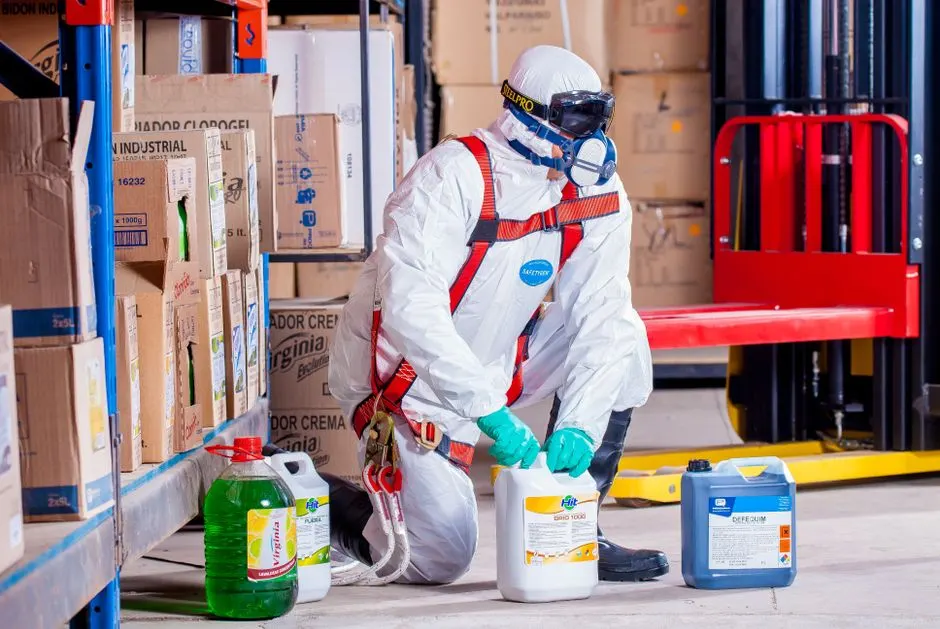
A 60 to 90 minute walkthrough with a Protimeter moisture meter, FLIR thermal camera and boroscope. You get a marked-up floor plan showing wet zones, affected materials and the containment boundary we recommend.
Every protocol we write covers the inspection, sampling, documentation and clearance criteria for the affected area. Remediation labor, materials and equipment are scoped and priced separately in the same document, so you see the full picture in one place.
A 60 to 90 minute walkthrough with a Protimeter moisture meter, FLIR thermal camera and boroscope. You get a marked-up floor plan showing wet zones, affected materials and the containment boundary we recommend.
Air samples with a Zefon pump and Air-O-Cell cassettes, plus tape lift or swab samples from visible growth. Results from EMSL Analytical or LabCorp come back in two to four business days and are included in the written protocol.
The document names affected square footage, containment type, negative air sizing, HEPA filtration, removal methods, antimicrobial and encapsulation products, and drying targets. It follows the ANSI/IICRC S520 standard.
Photo documentation, moisture logs, thermal images and lab reports formatted for carriers. This is the packet that gets claims approved and keeps the project moving without back-and-forth with the adjuster.
The protocol states the pass/fail numbers up front: indoor spore counts must match or fall below the outdoor baseline. Clearance sampling and the written clearance letter are included when remediation is performed by our crews.
A Mold Remediation Protocol Fort Worth TX is a documented work plan built from inspection data, not a verbal guess. It names the affected materials, sets containment boundaries, specifies negative air pressure, and lists the removal, cleaning and drying steps in order. It follows the ANSI/IICRC S520 standard for mold remediation, which is the reference most Texas carriers and property managers expect to see. Every protocol we write states the moisture source, the square footage in scope, the equipment used, and the clearance criteria that end the job.
Fort Worth properties give mold plenty of openings. Summer humidity sits above 60% for weeks, spring storms push water through aging roof decks, and slab leaks under pier-and-beam and slab-on-grade homes feed hidden growth for months. We see it most in crawl spaces, attics and HVAC plenums. If you have been searching for a mold removal plan near me Fort Worth TX, the first step is a moisture map and air sampling so the plan is built on readings, not assumptions.
Five steps, in order, from the first walkthrough to the clearance report. Most Fort Worth homes move through all five in under two weeks.
Schedule
Call or book online — a real human picks up and confirms a 2-hour arrival window.
Diagnose
Licensed tech inspects on-site, then walks you through the cause and your options.
Fix
The job is completed to code and done right the first time — no shortcuts, no surprises.
Guarantee
Every job backed by a written workmanship warranty — and we stand behind it.
Protimeter moisture meter
Pin and pinless readings that tell us how deep moisture has traveled into drywall, framing and subfloor. These numbers define the affected square footage in the protocol.
FLIR thermal imaging camera
Finds temperature differences behind finished surfaces without cutting. It is how we locate hidden wet zones in walls, ceilings and floor cavities.
Zefon air sampling pump with Air-O-Cell cassettes
Draws measured air volumes onto spore trap cassettes for lab analysis. Used for both the pre-remediation baseline and the post-remediation clearance test.
Boroscope
A slim camera that looks inside wall cavities, plenums and duct runs. It confirms growth and material condition before we commit to a removal scope.
Hygrometer and particle counter
Logs relative humidity room by room and counts airborne particles. Humidity above 60% is the threshold where Fort Worth homes start growing mold on cool surfaces.
HEPA filtration and negative air machines
Keep containment under negative pressure so spores travel out through a filter, not into the rest of the building. Sizing is specified in the protocol by cubic footage.
ERMI dust cloths and mycotoxin test kits
Species-level and toxin-level testing from Mycometrics when a client needs more detail than air sampling provides, often for health concerns or disputed inspections.
ANSI/IICRC S520 remediation standard
The industry reference for mold remediation scope, containment, cleaning and clearance. Every protocol we write follows it, which is what Texas carriers and property managers expect to see in the documentation.
Containment and negative air pressure
We build 6-mil poly containment with zipper doors and run negative air machines sized to the space. Spores and dust stay inside the work zone, and occupants can often remain in unaffected parts of the home.
HEPA vacuuming and antimicrobial treatment
After removal, remaining framing and surfaces are HEPA-vacuumed, wiped, and treated with an antimicrobial coating. Where surfaces stay in place, we apply encapsulation materials to seal residual contamination.
Post-remediation clearance testing
Air samples and particle counts are compared to an outdoor baseline. Clearance passes when indoor spore levels match or fall below outdoor levels, and the written clearance letter closes out the job.
01
What we do: We inspect within hours, log moisture readings, and write a protocol that starts with drying and containment. Remediation scope is set based on what the readings show, not what the ceiling looks like.
→ Drying starts the same day, growth is stopped before it establishes, and you have documentation for your insurance claim.
02
What we do: We run air sampling and a full attic inspection, then produce a protocol with scope and price. The document goes to both agents so the repair negotiation is based on numbers, not opinions.
→ The deal closes with a documented repair scope, and the buyer gets a clearance report confirming the work was done.
03
What we do: We inspect the air handler, duct runs and adjacent ceiling cavities, then write a protocol that scopes containment around business hours so operations continue.
→ Remediation runs without shutting the space down, and clearance testing gives the tenant written confirmation the air is clean.
04
What we do: We map the moisture, sample the air, and write a protocol covering joist remediation plus a moisture barrier and dehumidifier spec. The water source fix is included in the same document.
→ The crawl space dries out, the smell goes away, and the moisture barrier keeps it dry through the next rainy season.
Fort Worth sits in a climate that grows mold on a schedule. Summer humidity holds above 60% for weeks, spring storms drive water through aging roof decks, and winter condensation forms on cool surfaces in attics and crawl spaces. Add a housing stock that spans 1920s pier-and-beam bungalows in Fairmount to slab-on-grade builds in Eastchase, and you get a wide range of moisture problems. Our protocols account for all of it: we size dehumidifiers for the actual cubic footage, spec moisture barriers for pier-and-beam crawl spaces, and include ventilation corrections for attics that trap heat and humidity. We work to the ANSI/IICRC S520 standard and coordinate with Tarrant County adjusters, real estate agents and property managers. If you need a mold remediation protocol for water damage Fort Worth Texas, we can have an inspector on site the same day in most neighborhoods.
Fairmount
Historic pier-and-beam homes with original crawl spaces. High humidity under the floor feeds mold on joists and subfloor, so moisture barriers and dehumidifier specs are standard in our protocols here.
Ridglea
Mid-century homes with original attic ventilation that often falls short of modern standards. Roof leaks and bath fan discharge are the two most common sources we document.
TCU Area
A mix of older rentals and newer builds. Rental turnover means small leaks go unreported, so we often find growth that has been developing for a full season before anyone calls.
Eastchase
Newer construction with tight envelopes. When a supply line or condensate drain leaks, moisture has nowhere to escape, and growth establishes faster than in older, draftier homes.
Near Southside
Renovated commercial and residential buildings where old plumbing meets new finishes. Slab leaks and hidden wall cavity moisture are the calls we get most often here.
Summer humidity above 60% for weeks at a time
Cool interior surfaces stay wet long enough to grow mold without any visible water source. Protocols include dehumidification and ventilation corrections, not just removal.
Spring storm systems and roof penetration leaks
Water enters through flashing, vents and aging shingles. We document the entry point and include the roof repair in the protocol so remediation results hold.
Slab and supply line leaks under slab-on-grade homes
Water wicks up through flooring and into wall cavities. Thermal imaging and moisture meters find the extent without exploratory demolition.
Winter condensation in attics and crawl spaces
Temperature swings create condensation on cool surfaces. We log humidity with a hygrometer and spec the ventilation or insulation correction that stops it.
Most Fort Worth mold calls come down to one of a handful of scenarios. Here is what we see and how the protocol handles it.
Problem
Mold spreads through the wall cavity and into adjacent rooms before anyone sees it. By the time it is visible, the affected area is often three to four times larger than the original leak.
Our Fix
We use thermal imaging and a boroscope to find growth without cutting exploratory holes everywhere. The protocol scopes containment to the actual affected area, so you are not paying to remove drywall that never got wet.
Problem
Pier-and-beam homes in Fort Worth pull humid air up through the floor. Occupants notice odors, allergy symptoms and rising energy bills long before they see visible growth under the house.
Our Fix
Our protocol covers joist and subfloor remediation plus a moisture barrier and dehumidifier spec sized to the crawl space. Fixing the humidity source is what stops the problem from returning the following spring.
Problem
Mold in an air handler or duct run spreads contamination through the whole building every time the system runs. Cleaning one room without addressing the system guarantees a repeat.
Our Fix
We inspect the coil, drain pan and duct runs, then write a protocol that includes HVAC remediation and filtration upgrades. The system stops moving spores, and the clearance test confirms it.
Problem
Carriers hold claims when there is no protocol, no moisture readings and no lab results. Weeks pass, the damage spreads, and the payout gets negotiated down.
Our Fix
We hand you an adjuster-ready packet: affected area measurements, moisture logs, thermal images and lab reports. That documentation is what moves a claim from pending to approved.
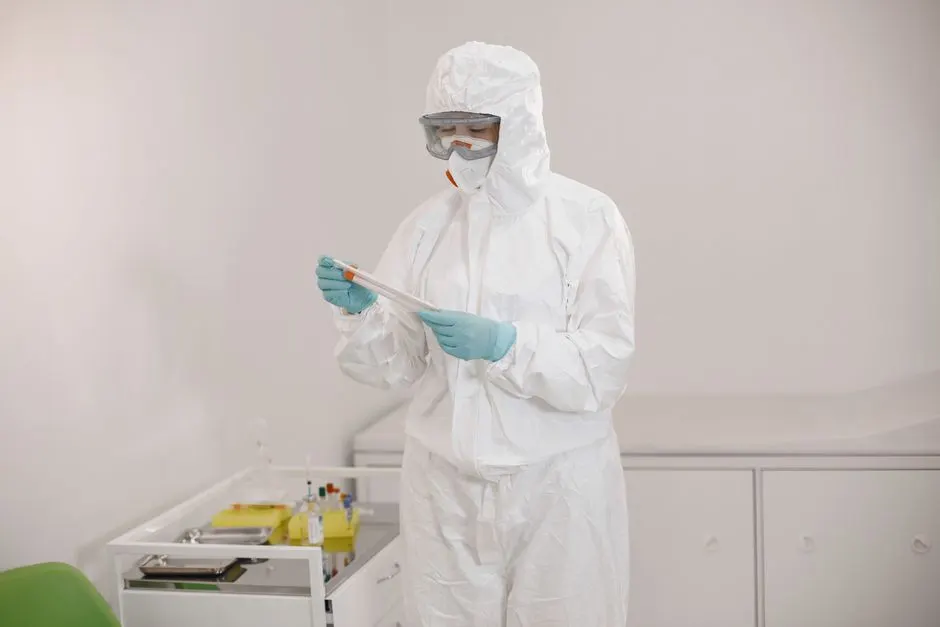
A protocol turns a vague estimate into a checklist you can hold a contractor to. Here is what that gets you on a Fort Worth job.
Documented Scope, No Surprises
The protocol lists each affected area in square feet, the materials coming out, and the materials staying. You see the containment layout before a single sheet of poly goes up. If a contractor wants to add work mid-job, it has to be justified against the written scope, not announced at the end of the day.
Insurance-Ready Paperwork
Most carriers want a protocol, moisture readings and photo documentation before they release funds. We hand you a packet formatted for adjusters: affected area measurements, moisture meter logs, thermal images, and lab results from EMSL Analytical or LabCorp. That packet is what moves a claim from pending to paid.
Clearance Testing Built In
The protocol states the pass/fail criteria up front, so the job ends on a number, not an opinion. We run Air-O-Cell spore trap cassettes and particle counts after remediation, and compare them to an outdoor baseline. If the numbers do not clear, we re-clean at no extra charge.
Fewer Repeat Problems
Removing mold without fixing the water source guarantees a callback. Every protocol includes the moisture fix: a condensate drain repair, a crawl space moisture barrier, a ventilation correction, or a dehumidifier spec. That is the difference between a one-time cleanup and a recurring invoice.
Our inspectors and project managers work mold jobs in Fort Worth every week, from 1920s bungalows in Fairmount to new-build townhomes near TCU. We hold IICRC and ACAC credentials, including CIEC and CMR designations, and we work to the ANSI/IICRC S520 standard on every protocol. That means we know the difference between a surface stain that wipes clean and active growth inside a wall cavity, and we write the plan accordingly. We also coordinate directly with adjusters, real estate agents and property managers across Tarrant County, so the paperwork does not stall the work.
Real answers to the questions we hear most often from local homeowners and property managers.
The inspection is step one of every protocol. We walk the property, document visible growth, and identify the moisture source before any scope is written. Fort Worth homeowners get a marked-up floor plan showing exactly where the problem sits.
View Mold InspectionLab testing tells us what species are present and at what concentration. Air, tape lift and swab samples go to EMSL Analytical or LabCorp, and those results drive the remediation scope and the clearance criteria in your Fort Worth protocol.
View Mold TestingIndoor air sampling with Air-O-Cell cassettes and a Zefon pump establishes a baseline before remediation and confirms results after. Fort Worth clients get indoor-versus-outdoor comparisons, which is the number adjusters and clearance reports rely on.
View Air Quality TestingA Protimeter moisture meter and thermal imaging map every wet zone in the building. That map defines the containment boundary and the square footage in your protocol, so remediation crews are not guessing where the moisture ends.
View Moisture Mapping and DetectionA FLIR camera finds temperature differences behind drywall, under flooring and inside ceiling cavities without cutting. It is how we catch hidden growth in Fort Worth homes before it spreads into a second room or an adjacent wall cavity.
View Thermal Imaging InspectionClearance testing is the final step of the protocol. We run air samples and particle counts against an outdoor baseline, then issue a written clearance letter. That document is what closes out an insurance claim or satisfies a real estate contingency.
View Post-Remediation Clearance TestingCall (866) 896-8166 or email info@fortworthmoldtesting.com and we will get you on the schedule. We answer calls Monday through Friday from 8am to 6pm and run emergency response for water damage and post-storm inspections. Most standard inspections are booked within a day or two.
Phone
+18668968166Address
Fort Worth, Texas
Hours
Mon–Fri: 7AM – 7PM
Sat: 8AM – 4PM
Sun: Emergency Only
24/7 Emergency Available