
Full Attic Walk-Through
We inspect the entire accessible attic, including roof decking, rafters, insulation, and every penetration. We photograph visible growth and staining and note the extent so you have a clear record.
Every inspection covers a full attic walk-through, moisture mapping, ventilation review, and lab sampling where growth is present. You get a written report with photos, lab results, and a clear recommendation. Add-ons like ERMI, mycotoxin testing, and HVAC inspection are available when the situation calls for them.
We inspect the entire accessible attic, including roof decking, rafters, insulation, and every penetration. We photograph visible growth and staining and note the extent so you have a clear record.
A Protimeter moisture meter and FLIR thermal imaging camera map wet areas and trace the moisture source. You get readings in the report, not just a verbal summary.
We check soffit, ridge, and gable vents, bath fan terminations, and any powered attic fans. We measure intake and exhaust balance and flag anything restricting airflow.
Tape lift, swab, and air samples go to EMSL Analytical, LabCorp, or Mycometrics. Results include species identification and spore counts, typically within 24 to 48 hours.
Your report includes photos, moisture readings, lab results, and a remediation scope written in ANSI/IICRC S520 terms. It is formatted for insurers, real estate agents, and remediation contractors.
Attic Mold Inspection Fort Worth TX is a top-to-bottom evaluation of your roof deck, rafters, insulation, and ventilation that identifies active mold growth, hidden moisture, and the source feeding it. We walk the attic with a Protimeter moisture meter and a FLIR thermal imaging camera, check every penetration and exhaust fan termination, then collect tape lift and swab samples where growth is visible. Samples go to an accredited lab like EMSL Analytical or LabCorp, and you get a written report with species, spore counts, and photos within 24 to 48 hours.
Fort Worth attics take a beating. Summer attic temps push past 140 degrees, then winter brings rapid cooling that condenses moisture on the underside of roof sheathing. Add a 20-year-old roof, a bathroom fan venting straight into the attic, or a slow roof leak after a spring hailstorm, and you have ideal conditions for black mold and toxic mold to colonize. If you have been searching for attic mold assessment near me Fort Worth, that pattern is usually what is behind it. We see it constantly in older homes near the Cultural District and in newer builds out toward Eastchase.
Five steps, no surprises. Most inspections take two to three hours on site, and you get your written report within 24 to 48 hours of the lab receiving samples.
Schedule
Call or book online — a real human picks up and confirms a 2-hour arrival window.
Diagnose
Licensed tech inspects on-site, then walks you through the cause and your options.
Fix
The job is completed to code and done right the first time — no shortcuts, no surprises.
Guarantee
Every job backed by a written workmanship warranty — and we stand behind it.
FLIR Thermal Imaging Camera
Detects temperature differences that reveal hidden moisture behind insulation and on roof sheathing, even when nothing is visible to the eye.
Protimeter Moisture Meter
Measures moisture content in wood and insulation so we can quantify how wet the attic actually is and track whether it is drying.
Zefon Air Sampling Pump
Draws a calibrated volume of air through spore trap cassettes to measure airborne mold spore concentrations.
Air-O-Cell Spore Trap Cassettes
Capture airborne spores for lab analysis. Results identify species and give spore counts that compare against outdoor baselines.
Boroscope
Lets us look inside wall cavities, chases, and ductwork without cutting drywall, so we can confirm hidden growth.
Hygrometer
Reads relative humidity and dew point in the attic to determine whether condensation, not a leak, is driving the mold.
Mycometrics ERMI Dust Cloths
Collect settled dust for ERMI testing, which produces a mold index score useful for buyers and mold-sensitive occupants.
ANSI/IICRC S520 Assessment Protocol
The industry standard for mold assessment and remediation. We follow it for sampling, documentation, and scope writing so our reports hold up with insurers, contractors, and attorneys.
Tape Lift and Swab Sampling
Direct surface sampling of visible growth. Tape lifts capture intact spores for identification, while swabs work well on porous and irregular surfaces like insulation and rough lumber.
Air Sampling with Spore Traps
We run indoor and outdoor air samples so you can compare attic spore levels against the natural outdoor baseline. That comparison is what separates normal background spores from an active problem.
Thermal and Moisture Cross-Verification
Any anomaly the thermal camera flags gets confirmed with a moisture meter. Cross-verification eliminates false positives from reflective surfaces or ductwork and keeps the report accurate.
01
What we do: We inspect the attic for residual mold, run air and surface samples, and confirm whether the leak was fully repaired. If growth remains, we write a remediation scope you can hand to a contractor.
→ You know exactly what you bought and what it will cost to fix, before you move furniture in.
02
What we do: We inspect the attic and the air handler together, sample the return plenum, and check ductwork for contamination. Lab results tell us whether the source is in the attic or the HVAC itself.
→ You get a clear source and a targeted fix instead of guessing at air purifiers and filters.
03
What we do: We perform an independent attic mold assessment Fort Worth TX with lab testing, then provide a report that separates old inactive staining from active growth.
→ You can respond to the buyer with documentation instead of dropping your price on speculation.
04
What we do: We run post-remediation clearance testing with air sampling and surface swabs, comparing results to outdoor baseline levels.
→ You get written clearance documentation for your records, your insurer, or a future sale.
Fort Worth sits in a climate zone that swings hard. Summer attic temperatures routinely exceed 140 degrees, and winter cold fronts drop sheathing temperatures fast enough to condense moisture out of humid attic air. That cycle is why we see so much condensation-driven mold on the north-facing roof deck, even in homes with no active leak. Older neighborhoods like Fairmount, Ryan Place, and Mistletoe Heights have another problem: bath fans and dryer vents that terminate in the attic instead of outside, a code violation that dumps moisture into the space every day. Newer construction out toward Eastchase and Wedgwood often has the opposite issue, with tight envelopes and undersized soffit ventilation that trap humidity. When you book attic mold assessment near me Fort Worth TX 24/7, we bring gear suited to both scenarios. Roof leak mold inspection Fort Worth TX calls spike after spring hail, and we prioritize those because water intrusion moves fast. Our reports follow ANSI/IICRC S520 and are accepted by Tarrant County insurers and real estate agents.
Fairmount
Historic bungalows with original roof framing and bath fans that often vent into the attic. We see recurring mold here tied to ventilation, not leaks.
Tanglewood
Mid-century homes with complex rooflines and multiple valleys. Flashing failures after hail are a common source of attic moisture.
Eastchase
Newer construction with tight envelopes and undersized soffit vents. Condensation on roof sheathing is the typical driver.
Arlington Heights
Older homes with original insulation and limited attic access. We plan extra time for tight crawls and low clearances.
Summer attic temps above 140 degrees
Heat drives moisture out of framing and insulation during the day, then it condenses on cooler surfaces overnight. This cycle feeds mold even without an active leak.
Spring hail and wind-driven rain
Hail damages flashing and shingle seals, opening slow leaks that soak sheathing over weeks. We see a spike in roof leak mold inspection Fort Worth TX calls from March through June.
High outdoor humidity most of the year
Fort Worth humidity keeps attic air moist. Without balanced ventilation, that moisture has nowhere to go and settles on the roof deck.
Attic mold shows up in predictable ways here. These are the calls we get most often and how we handle them.
Problem
The smell gets worse over time and eventually spreads through the HVAC system into bedrooms and living areas.
Our Fix
We run thermal imaging and air sampling to locate hidden growth behind insulation and on the underside of roof sheathing. Lab results confirm species and spore counts, and we identify the moisture source feeding it.
Problem
Hail damage opens flashing and shingle seams, letting water in slowly. Within weeks, mold colonizes the wet sheathing.
Our Fix
We document the staining, map moisture with a Protimeter meter, and take tape lift samples. The report supports your insurance claim and gives the roofer a clear scope for repairs.
Problem
Every shower dumps warm, humid air into the attic, condensing on cold sheathing and feeding mold year-round.
Our Fix
We confirm the vent termination during the inspection, document it in the report, and recommend rerouting the duct to an exterior wall or roof cap. That single fix stops most recurring attic mold.
Problem
The deal stalls, the buyer wants a credit, and you need documentation fast to keep the closing on track.
Our Fix
We prioritize transaction inspections and can often schedule same-day. Lab results come back in 24 to 48 hours, and the report gives both sides a clear, defensible scope for negotiation.
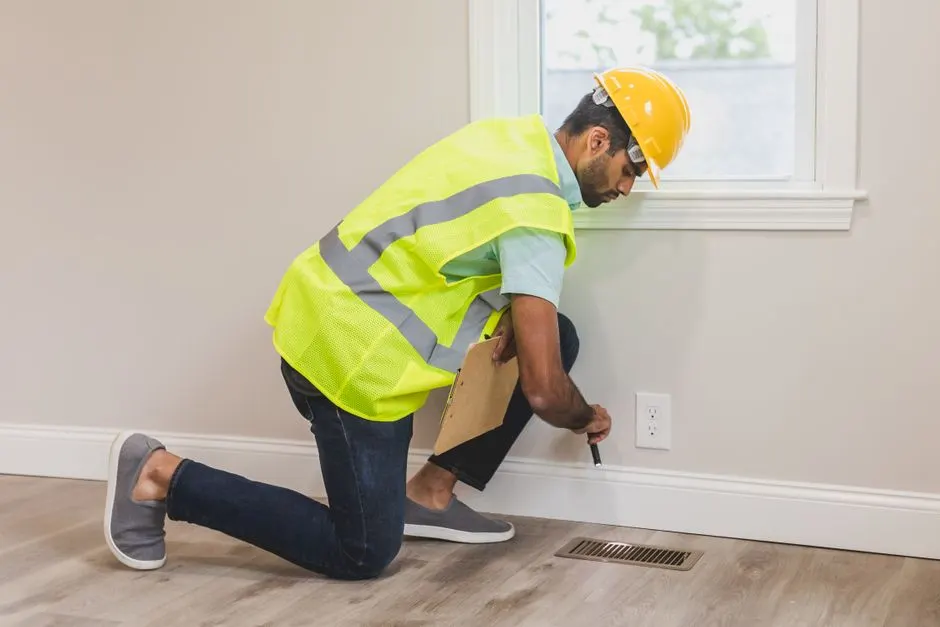
Attic mold does not stay in the attic. It spreads through HVAC returns, stains ceilings, and tanks resale value. Here is what you actually get when we inspect.
Find the Moisture Source
Mold is a symptom, not the problem. We trace every moisture path with a hygrometer and thermal camera, then document whether it is a roof leak, a bath fan dumping humid air, or condensation from poor ventilation. You get the root cause in writing, not just a mold count.
Lab-Backed Spore Counts
We use Zefon Air-O-Cell spore trap cassettes and tape lift sampling, then send them to EMSL Analytical or Mycometrics. You get species identification and airborne spore counts, which is what real estate agents, insurers, and remediation crews actually need to act on.
Protect Your Family's Air
Attic mold spreads into living areas through HVAC returns, recessed lights, and gaps around plumbing stacks. Catching it early with a professional attic mold inspection Fort Worth keeps spores out of the air your family breathes and off your furniture, bedding, and ductwork.
Documentation for Insurance and Resale
Our reports follow ANSI/IICRC S520 language and include photos, moisture readings, and lab results. That package supports insurance claims, seller disclosures, and post-remediation clearance testing, so you are not stuck paying out of pocket for a problem that was already there.
Real answers to the questions we hear most often from local homeowners and property managers.
A full-home mold inspection covers the attic, crawl space, basement, and living areas in one visit. If your attic mold inspection Fort Worth TX turns up growth, we often recommend expanding the scope to confirm the problem has not spread.
View Mold InspectionMold testing identifies species and spore counts from air and surface samples. We pair it with every attic inspection so you have lab documentation, not just a visual opinion, when you file an insurance claim or negotiate a repair credit.
View Mold TestingAir quality testing measures airborne spores and particulates throughout the home. When attic mold is confirmed, we compare indoor and outdoor baselines to see whether spores are migrating into living areas through the HVAC system.
View Air Quality TestingMoisture mapping uses meters and thermal imaging to trace water paths behind walls and under insulation. It is the fastest way to find the source feeding attic mold, whether that is a roof leak, a plumbing drip, or condensation.
View Moisture Mapping and DetectionThermal imaging reveals temperature differences that signal hidden moisture. We use FLIR cameras on every attic inspection to spot wet sheathing, saturated insulation, and leak paths that a visual walk-through would miss.
View Thermal Imaging InspectionWhen remediation is needed, we write a scope of work in ANSI/IICRC S520 terms. Any licensed remediation contractor can bid from it, and you get a clear checklist for containment, HEPA filtration, and antimicrobial coatings.
View Mold Remediation ProtocolCall (866) 896-8166 or email info@fortworthmoldtesting.com and we will get you on the schedule. We answer calls Monday through Friday from 8am to 6pm and run emergency response for water damage and post-storm inspections. Most standard inspections are booked within a day or two.
Phone
+18668968166Address
Fort Worth, Texas
Hours
Mon–Fri: 7AM – 7PM
Sat: 8AM – 4PM
Sun: Emergency Only
24/7 Emergency Available