Logo
Get Estimate

Basement Mold Inspection Fort Worth TX

Thermal imaging, moisture mapping, and lab-backed testing for below-grade spaces


Basement Mold Inspection Fort Worth TX finds what your nose already suspects. We inspect below-grade walls, floor joists, and crawl space transitions with thermal imaging cameras and moisture meters, then confirm findings with lab sampling through EMSL Analytical. Whether you're in a 1920s Ryan Place bungalow or a newer Wedgwood build, we tell you exactly where the moisture is coming from and what it will take to fix it.

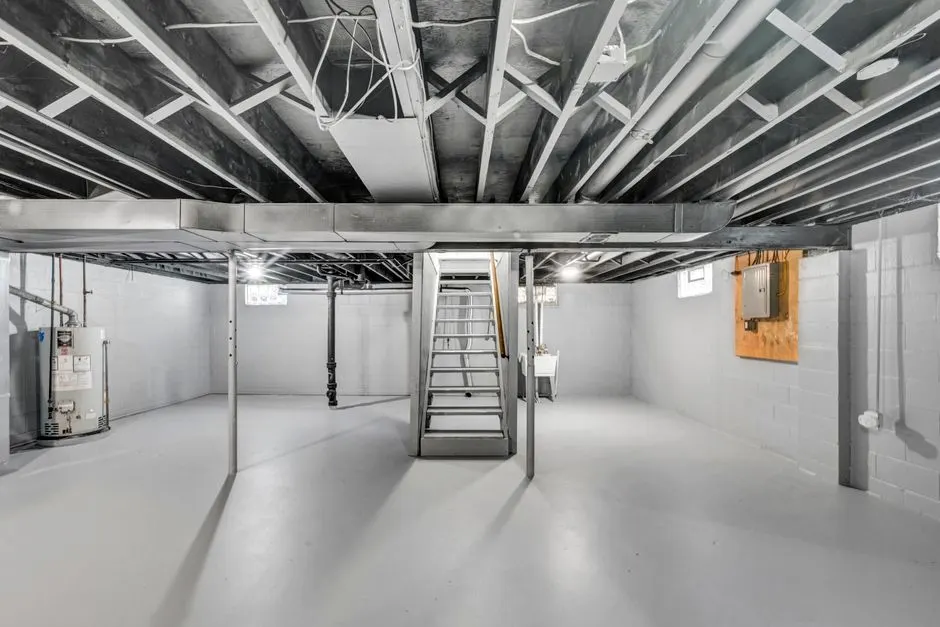
Explore a spacious, unfinished basement with potential for renovation in an Ohio home.
Licensed Licensed & Bonded
Fully Insured Insured & Bonded
24/7 Emergency Same-Day Response
Warranty Backed Workmanship Guaranteed in Fort Worth

What's Included in Basement Mold Inspection Fort Worth TX

Every basement mold inspection includes a full instrument survey, moisture mapping, thermal scan, and at least two lab samples. Add-ons like ERMI testing, mycotoxin testing, or expanded sampling are quoted separately so you only pay for what you need.

Full Visual Walkthrough

We inspect every accessible surface in the basement, including floor joists, rim boards, foundation walls, subfloor, and HVAC penetrations. We note staining, efflorescence, past water lines, and any visible growth, and we photograph everything for the report.

Moisture Mapping Report

Pin and pinless moisture meter readings are logged at every wall and floor section. You get a chart showing which zones are wet, how wet they are, and where the boundaries are. Your contractor uses this to scope the work.

Thermal Imaging Scan

A FLIR thermal camera scans every wall, the ceiling, and the floor perimeter. We flag temperature anomalies that suggest hidden moisture, then confirm each one with a moisture meter before including it in the report.

Air and Surface Sampling

We collect at least two air samples with Zefon Air-O-Cell cassettes and one surface sample via tape lift or swab. Samples ship same-day to EMSL Analytical or LabCorp with full chain-of-custody documentation.

Written Report with Lab Results

You receive a PDF report within 24 to 72 hours containing photos, moisture readings, thermal images, lab results, and a summary of findings. If remediation is needed, we include an ANSI/IICRC S520-aligned scope of work.

Basement Mold Inspection Fort Worth TX


Basement Mold Inspection Fort Worth TX is a non-invasive, instrument-driven evaluation of below-grade spaces that identifies active mold growth, hidden moisture sources, and the conditions feeding them. Our technicians use moisture meters, thermal imaging cameras, and hygrometers to map wet zones behind finished walls and under flooring. We collect air samples with Zefon Air-O-Cell spore trap cassettes and surface samples via tape lift sampling, then ship them to an accredited lab for species-level analysis. You get a written report with photos, lab results, and a clear scope of work.

Fort Worth basements sit on clay soil that swells after heavy spring rains and shrinks through our long, dry summers. That cycle cracks slab edges, shifts foundation walls, and pushes groundwater toward the lowest point in the house. Add 60-plus inches of annual humidity and you have ideal conditions for black mold behind baseboards and toxic mold under carpet padding. If you've been searching for a basement mold assessment near me Fort Worth TX, we handle the whole job: inspect, test, document, and hand you a remediation protocol your contractor can follow.

What to Expect During Your Basement Mold Inspection

Every inspection follows the same sequence so nothing gets missed. Here's how a typical visit runs from the moment we pull up.

01

Schedule

Call or book online — a real human picks up and confirms a 2-hour arrival window.

02

Diagnose

Licensed tech inspects on-site, then walks you through the cause and your options.

03

Fix

The job is completed to code and done right the first time — no shortcuts, no surprises.

04

Guarantee

Every job backed by a written workmanship warranty — and we stand behind it.

Tools and Methods We Use

Tools & Equipment

FLIR Thermal Imaging Camera

Detects temperature differentials behind finished walls, under flooring, and around foundation penetrations. It's how we find hidden moisture without cutting into anything.

Protimeter and Bosch Moisture Meters

Pin and pinless meters measure moisture content in wood, drywall, and concrete. We log every reading to chart wet zones and confirm what the thermal camera flags.

Zefon Air-O-Cell Spore Trap Cassettes

Paired with an air sampling pump, these cassettes capture airborne spores for lab analysis. Each sample runs 5 to 10 minutes and gives species-level results.

Hygrometer

Measures relative humidity and dew point in the basement. High readings explain condensation on cool surfaces and help us recommend the right dehumidifier capacity.

Boroscope

A slim camera that lets us see inside wall cavities and behind baseboards without demolition. Useful when thermal imaging flags a suspect area but we need visual confirmation.

Particle Counter

Measures airborne particulate levels before and during inspection. Elevated counts in the basement versus outdoors suggest an indoor source, often mold.

Tape Lift and Swab Sampling Kits

Used on visible growth to identify species. Tape lifts work on dry surfaces; swabs work on wet or irregular growth. Both ship to EMSL Analytical or LabCorp.

Methods & Standards

ANSI/IICRC S520 Standard

The industry standard for mold inspection and remediation. We follow it for condition assessment, remediation protocols, and clearance criteria. Reports written to S520 are accepted by insurers, realtors, and remediation contractors without translation.

Moisture Mapping Protocol

We take readings on a grid across every basement wall and floor section, then plot them on a diagram. This gives your contractor a visual map of wet zones and boundaries, so the scope of work is precise rather than guesswork.

Thermal-First Inspection

We scan with the thermal camera before taking any moisture readings. Anomalies get flagged first, then confirmed with a meter. This sequence catches hidden moisture that a meter-only inspection would miss.

Comparative Air Sampling

We collect at least one outdoor baseline sample alongside indoor samples. Comparing spore counts indoors versus outdoors tells us whether the basement has an active indoor source or just normal background levels.

When to Book a Basement Mold Inspection

01

You're buying a Fort Worth home with a finished basement and the seller's disclosure mentions past water intrusion.

What we do: We inspect the basement before closing, document current moisture conditions, and collect air samples to confirm whether growth is active. The report gives you negotiating leverage and a clear scope if repairs are needed.

→ You know exactly what you're buying, and you have documentation to request a repair credit or walk away with confidence.

02

Your sump pump failed during a spring storm and you had standing water in the basement for a day.

What we do: We arrive within 24 hours, map the moisture with pin and pinless meters, run a thermal scan to find hidden saturation, and collect air samples. We write a drying and remediation scope that follows ANSI/IICRC S520.

→ You get a clear plan before mold has time to colonize, usually within the 48-hour window where remediation is cheapest.

03

You've noticed a musty smell in the basement for weeks but can't find any visible growth.

What we do: We use thermal imaging and moisture meters to locate hidden wet zones behind finished walls and under flooring, then confirm with air and surface sampling. Lab results tell you exactly what species are present.

→ You stop guessing and get a documented answer, plus a scope of work if remediation is needed.

04

You're a realtor with a tight closing timeline and the buyer wants a basement mold assessment before the option period ends.

What we do: We schedule same-day or next-day, complete the inspection in about 90 minutes, and ship samples the same day. Reports go out within 24 to 72 hours, formatted for lender and adjuster review.

→ The deal stays on track, and your client has documentation that holds up to scrutiny.

How Basement Mold Inspection Runs in Fort Worth

Fort Worth's climate creates specific moisture problems that shape how we inspect basements here. Our clay soil swells after spring rains and shrinks through summer drought, which cracks foundation walls and opens pathways for groundwater. Basements in older neighborhoods like Fairmount and Mistletoe Heights often have pier-and-beam transitions that trap moisture at the rim board. Newer slab-on-grade builds in Wedgwood and Eastchase tend to see slab leaks and failed foundation drains instead. Summer humidity regularly tops 70%, and that moisture condenses on cool basement walls and uninsulated ductwork. We adjust our inspection approach based on the home's age, foundation type, and drainage history. If you've been looking for affordable basement mold assessment Fort Worth TX options, we quote flat rates by square footage and sample count so you know the number before we start. Every inspection follows ANSI/IICRC S520, and we ship samples to EMSL Analytical the same day.

Neighborhoods We Serve

  • Fairmount

    Many 1920s pier-and-beam homes here have basement-to-crawl transitions that trap moisture at the rim board. We pay extra attention to those junctions during thermal scans.

  • Tanglewood

    Mid-century slab-on-grade homes with original foundation drains. When those drains fail, water wicks up through the slab and shows up as mold under carpet and along baseboards.

  • Eastchase

    Newer construction with finished basements. We often find moisture issues tied to HVAC condensate lines and unsealed foundation penetrations rather than foundation cracks.

  • Ryan Place

    Historic homes with original basements and limited ventilation. High humidity and poor air exchange make these basements prone to condensation-driven growth on cool walls.

  • Westover Hills

    Larger homes with multi-zone basements and mechanical rooms. We inspect each zone separately and sample air in each to rule out cross-contamination between areas.

Local Conditions We Plan For

  • Expansive clay soil that swells and shrinks

    Creates foundation cracks and lets groundwater seep into basements after heavy rain. We check foundation walls and slab edges first on every inspection.

  • Summer humidity above 70%

    Condensation forms on cool basement surfaces and uninsulated ductwork. We measure dew point and surface temperatures to determine whether a dehumidifier or ventilation fix is needed.

  • Spring storm flooding

    Sump failures and foundation drain backups push water into basements fast. We prioritize same-day inspections after storm events to catch moisture before mold colonizes.

  • Aging foundation drains in older neighborhoods

    Failed drains let water pool against foundation walls. We trace the source with moisture meters and thermal imaging before recommending remediation.

Hidden Growth Behind Finished Wall

Before

A Ryan Place homeowner noticed a musty smell in the finished basement but couldn't find visible mold. The wall looked dry to the touch. A previous contractor had recommended tearing out drywall to investigate, which would have cost thousands.

After

Our thermal scan flagged a 4-foot section of the back wall. Moisture meter readings confirmed 24% wood moisture equivalent behind the drywall. Lab samples identified aspergillus and penicillium. We wrote a targeted remediation scope covering just that section, saving the homeowner about $3,500 in unnecessary demolition.

Maintenance: We recommended a moisture barrier along the foundation wall and a 50-pint dehumidifier to keep humidity below 50%. The homeowner checks the dehumidifier monthly and re-tests annually.

Before

A Tanglewood home took on two inches of water when a sump pump failed during a spring storm. Carpet and baseboards were soaked. The homeowner called us within 24 hours, worried about mold.

After

We mapped moisture across the entire basement floor, ran a thermal scan, and collected three air samples. Lab results showed elevated spore counts but no colonization yet. We wrote a drying and remediation protocol that the homeowner's contractor completed in four days. Clearance testing confirmed normal spore levels.

Maintenance: We recommended a battery-backup sump pump and a water alarm. The homeowner also added a dehumidifier set to 45% to handle residual humidity.

Before

A Wedgwood homeowner noticed dark staining under the carpet padding in one corner of the basement. The carpet felt dry on top. A plumber had ruled out visible leaks but didn't test for moisture in the slab.

After

Moisture meter readings showed 28% in the slab and 22% in the carpet padding. Thermal imaging traced the moisture back to a pinhole slab leak about 6 feet away. We documented everything for the insurance claim, and the homeowner's contractor repaired the leak and replaced the affected flooring.

Maintenance: We recommended annual moisture checks in that corner and a slab leak detection scan every two years. The homeowner keeps a hygrometer in the basement and monitors humidity.

Basement Problems We Solve for Fort Worth Homeowners

Basement mold rarely shows up alone. It's usually the visible symptom of a moisture problem that's been building for months. Here are the situations we run into most often.

Problem

Musty odor with no visible mold

Persistent musty smells usually mean active growth behind finished walls or under flooring. Ignoring it lets spores spread through the HVAC system and into living areas, which can trigger allergies and asthma symptoms.

Our Fix

We run thermal imaging and moisture meters across every wall to find the wet zone, then collect air samples to confirm whether active growth is present. Most hidden growth shows up within 30 minutes of scanning.

Problem

Water stains on basement walls after storms

Staining means water is getting in through the foundation. Each rain event feeds the mold and slowly degrades drywall, insulation, and framing. Left alone, it can lead to structural repairs that cost thousands.

Our Fix

We trace the entry point using moisture readings and thermal imaging, document the extent of saturation, and include a remediation protocol that addresses both the mold and the water source so it doesn't come back.

Problem

Basement mold from flooding in Fort Worth Texas

Floodwater carries soil, bacteria, and mold spores into every porous surface it touches. Carpet, drywall, and wood framing stay wet for weeks without proper drying, and mold can colonize within 48 hours.

Our Fix

We assess the full extent of moisture, collect samples to identify what's growing, and write a scope that covers removal, drying, and clearance testing. We also document everything for insurance claims.

Problem

Allergy symptoms that get worse downstairs

If your symptoms spike when you're in the basement, there's a good chance you're breathing elevated spore counts. Standard air filters don't catch mold spores at the source, so the problem keeps cycling.

Our Fix

We compare indoor air samples to an outdoor baseline to measure the spore load. If counts are elevated, we identify the source and recommend HEPA filtration plus source correction as part of the remediation plan.

Why Fort Worth Homeowners Book Basement Mold Inspection

Why Fort Worth Homeowners Book Basement Mold Inspection

Mold in a basement doesn't stay in the basement. It rides the stack effect up through your living space, settling into carpet, drywall, and HVAC returns. Here's what a proper inspection gets you.

  • Find Hidden Growth Fast

    Thermal imaging and moisture meters read through finished walls, drop ceilings, and vinyl plank. We locate wet framing and active growth in about 90 minutes on a typical 1,200-square-foot basement, so you're not guessing or tearing out drywall to find the problem.

  • Lab-Confirmed Species

    We don't call it black mold based on color. Air-O-Cell spore traps and tape lift samples go to EMSL Analytical or LabCorp, and you get species-level results in 24 to 72 hours. That matters when you're filing an insurance claim or negotiating a real estate repair credit.

  • Stop the Water Source

    Mold returns until the moisture does. We trace the source, whether it's a slab leak, a failed French drain, or condensation dripping off uninsulated ductwork. Fixing the source first is the difference between a one-time cleanup and a recurring problem.

  • Documentation That Holds Up

    Our reports follow ANSI/IICRC S520 language and include moisture readings, thermal images, sample chain-of-custody, and lab results. Realtors, adjusters, and remediation contractors accept them without back-and-forth, which keeps your project moving.

Licensed, Certified, and Insured

Licensed & Certified

  • ACAC Certified Microbial Inspector — issued by American Council for Accredited Certification
  • IICRC Certified Firm — issued by Institute of Inspection, Cleaning and Restoration Certification
  • ANSI/IICRC S520 Compliant Reporting — issued by IICRC Standards Committee
  • Registered Mold Inspection Company — issued by Texas Department of Licensing and Regulation
  • EPA Lead-Safe Certified Firm — issued by U.S. Environmental Protection Agency

Verified Reviews

Google ★★★★★4.9

Called on a Tuesday morning about a musty smell in our basement. They were out by 2 PM the same day. Thermal camera found moisture behind a finished wall in about 15 minutes. Lab results came back Thursday. Report was thorough and easy to hand to our contractor. Highly recommend.

Yelp ★★★★★4.8

We had water in the basement after a storm and needed documentation for insurance. They mapped everything, took samples, and had the report to us in 48 hours. Adjuster accepted it without any questions. Professional and fast.

BBB ★★★★★4.9

Used them for a real estate transaction in Near Southside. Report was clean, well-organized, and included thermal images and lab results. My buyer's lender accepted it without pushback. Will use again on the next deal.

Google ★★★★★5.0

Straightforward pricing, no upselling. They found mold behind our basement baseboards that two other companies missed. The moisture mapping report showed exactly where the problem was. Remediation contractor said it was the best report he'd seen.

Local Experience You Can Verify

Our inspectors hold ACAC and IICRC credentials and work to ANSI/IICRC S520 standards on every job. We've inspected basements across Tarrant County, from 1920s pier-and-beam homes in Fairmount to slab-on-grade builds in Eastchase. We know how Fort Worth's clay soil behaves after a 4-inch rain, where foundation drains fail first, and which neighborhoods see the worst condensation problems when summer humidity climbs past 70%. We carry $1 million in liability coverage and $1 million in errors and omissions, and we're registered with the Texas Department of Licensing and Regulation. Every report is signed by a certified inspector, not a call-center tech.

  • ACAC-certified microbial inspector on every job
  • IICRC-certified in water damage restoration and mold remediation
  • ANSI/IICRC S520-compliant reporting on every inspection
  • Same-day sampling with EMSL Analytical and LabCorp
  • Registered with the Texas Department of Licensing and Regulation
Get Started Today
Local Experience You Can Verify

Frequently Asked Questions About Basement Mold Inspection

Real answers to the questions we hear most often from local homeowners and property managers.

How much does Basement Mold Inspection cost in Fort Worth TX?
Most basement mold inspections in Fort Worth run $350 to $850 in 2026, depending on square footage and how many lab samples we collect. A basic visual inspection with two air samples starts around $350. Larger finished basements with multiple suspect zones and surface sampling push toward the top of that range. You get a flat quote before we start, and there are no trip charges inside Tarrant County.
What causes basement mold in Fort Worth?
The three biggest causes we see are slab leaks, foundation drain failures, and condensation. Fort Worth's clay soil expands after heavy rain and shrinks in summer drought, cracking foundation walls and letting groundwater seep in. Add high humidity and uninsulated ductwork, and you get condensation dripping onto joists and subfloor. Poor ventilation makes it worse because moisture has nowhere to go.
Who is the best basement mold inspection company in Fort Worth Texas?
Look for ACAC or IICRC certification, ANSI/IICRC S520-compliant reporting, and same-day lab shipping to an accredited lab like EMSL Analytical or LabCorp. Ask whether the inspector carries errors and omissions insurance and whether the report includes moisture readings and thermal images. We meet all of those standards, and we'll send you a sample report before you book so you can compare.
Can basement mold be hidden behind walls in Fort Worth TX?
Yes, and it usually is. Finished basements hide growth behind drywall, under carpet padding, and inside wall cavities where a slow slab leak or foundation seep has been feeding moisture for months. That's why we use thermal imaging cameras and pinless moisture meters before we ever cut into anything. We locate the wet zone first, then sample to confirm whether active growth is present.

Related Services

Mold Inspection

A full-property mold inspection covers the basement plus attic, crawl space, and living areas. If your basement inspection turns up growth, we often recommend expanding the scope to rule out cross-contamination upstairs.

View Mold Inspection

Mold Testing

Mold testing confirms what the inspection finds. We collect air and surface samples during your basement inspection and ship them to EMSL Analytical or LabCorp for species-level identification, usually back in 24 to 72 hours.

View Mold Testing

Air Quality Testing

Air quality testing measures spore counts in your basement and compares them to outdoor baseline. It's the fastest way to tell whether hidden growth is actively releasing spores into your living space.

View Air Quality Testing

Moisture Mapping and Detection

Moisture mapping uses pin and pinless meters to chart wet zones across your basement floor and walls. We log every reading and mark the boundaries so your remediation contractor knows exactly where to work.

View Moisture Mapping and Detection

Thermal Imaging Inspection

A FLIR thermal imaging camera reveals temperature differentials behind finished walls, under flooring, and around foundation penetrations. It's how we find hidden moisture without tearing your basement apart.

View Thermal Imaging Inspection

Mold Remediation Protocol

If growth is confirmed, we write a remediation protocol that follows ANSI/IICRC S520. Your contractor bids from the same scope we documented, which keeps estimates comparable and prevents surprise add-ons.

View Mold Remediation Protocol

Book Your Basement Mold Inspection Fort Worth TX Today

If you smell something musty downstairs or you've had water in the basement this year, don't wait. Call (866) 896-8166 and we'll schedule a same-day or next-day basement mold assessment in Fort Worth. Flat-rate pricing, lab results in 24 to 72 hours, and a report your contractor can work from.

Call (866) 896-8166 Book Inspection Now

Contact Fort Worth Mold Testing

Call (866) 896-8166 or email info@fortworthmoldtesting.com and we will get you on the schedule. We answer calls Monday through Friday from 8am to 6pm and run emergency response for water damage and post-storm inspections. Most standard inspections are booked within a day or two.

Or call us right now at +18668968166 — we answer.

Fort Worth Mold Testing


  • Phone

    +18668968166
  • Address

    Fort Worth, Texas

  • Hours

    Mon–Fri: 7AM – 7PM
    Sat: 8AM – 4PM
    Sun: Emergency Only
    24/7 Emergency Available

Call +18668968166 Get Quote
Call Quote