Logo
Get Estimate

Commercial Mold Inspection Fort Worth TX for Every Business

We find the mold, map the moisture, and hand you a plan.


Commercial Mold Inspection Fort Worth TX keeps your building open and your people safe. We inspect offices, retail, warehouses, restaurants, and multi-family properties across Fort Worth, Texas, using thermal imaging, moisture meters, and lab sampling. If you have seen water stains, smelled something musty, or had a roof leak, we find the source and tell you exactly what it takes to fix it.

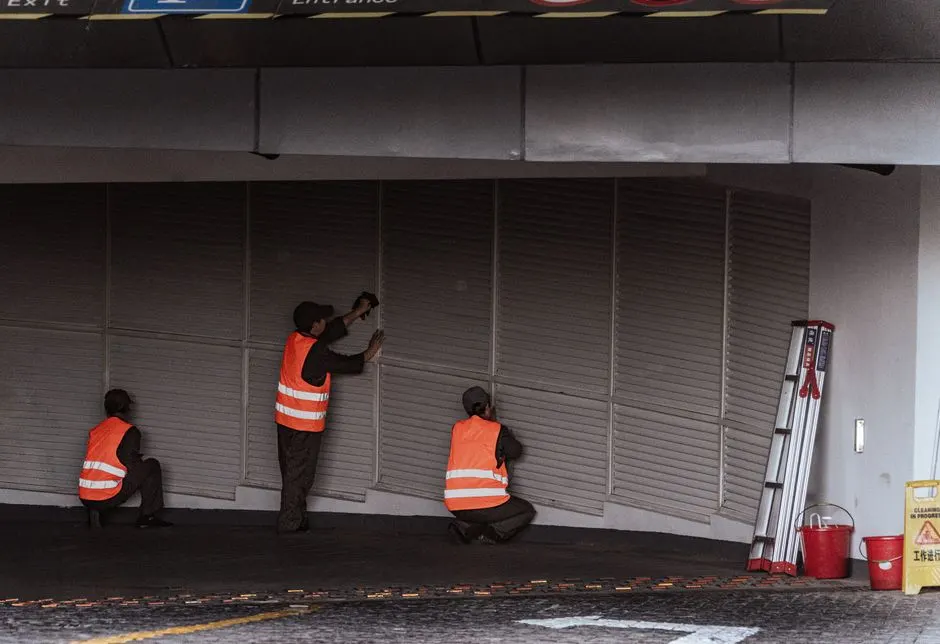
Three workers in safety vests install security shutters at an indoor entrance.
Licensed Licensed & Bonded
Fully Insured Insured & Bonded
24/7 Emergency Same-Day Response
Warranty Backed Workmanship Guaranteed in Fort Worth

What Our Commercial Mold Inspection Includes

Every commercial inspection includes the core scope below. Add-ons like ERMI testing, mycotoxin testing, and post-remediation clearance are available when your situation calls for them. We tell you upfront what is included and what is optional, so there are no surprises on the invoice.

Full Building Walk-Through

We inspect every accessible area: offices, restrooms, mechanical rooms, ceiling cavities, crawl spaces, and roof decks. We check for water damage, roof leaks, slab leaks, high humidity, poor ventilation, and condensation. This takes 60 to 90 minutes on most commercial properties.

Moisture and Thermal Survey

We use a Protimeter moisture meter and a FLIR thermal imaging camera to find hidden moisture behind walls and above ceilings. Every reading is logged and mapped so you can see exactly where the problem is.

Air and Surface Sampling

We collect air samples with a Zefon Air-O-Cell cassette and surface samples with tape lift sampling or swab sampling. Samples go to EMSL Analytical or LabCorp for species identification and spore counts.

HVAC System Check

We inspect air handlers, ductwork, drain pans, and coils for mold growth. HVAC mold is one of the most common findings in Fort Worth commercial buildings because of our long cooling season and high humidity.

Written Report With Photos

You get a report with photos, moisture maps, sample locations, lab results, and a recommended scope. If remediation is needed, we outline the protocol following ANSI/IICRC S520 so your contractor can bid from a fixed scope.

Phone Walkthrough

After the report is delivered, we schedule a call to walk you through the findings. You can ask questions, and we will tell you what is urgent and what can wait. No jargon, no pressure.

Commercial Mold Inspection Fort Worth TX Done Right


Commercial Mold Inspection Fort Worth TX is a building-wide evaluation that locates mold growth, traces the moisture feeding it, and documents both with lab-verified samples. We walk the whole property, not just the room that smells. We check HVAC units, ceiling tiles, wall cavities, crawl spaces, and roof decks. We use moisture meters, thermal imaging cameras, and air sampling pumps to find what your eyes miss. Then we write a report your insurance carrier, adjuster, or landlord can actually use.

Fort Worth buildings take a beating. Summer humidity sits near 70 percent, spring storms push water through aging roofs, and slab leaks quietly soak carpet and drywall for weeks. In commercial spaces, that moisture hides above ceiling tiles and inside wall cavities where nobody looks. If you need a business mold assessment Fort Worth TX tenants and staff can trust, we get you answers fast. We also handle same-day commercial mold inspection Fort Worth Texas when a tenant complaint or a failed health inspection puts you on the clock.

How Our Commercial Inspection Process Works

You get a clear plan from the first phone call to the final report. Here is what to expect when we show up.

01

Schedule

Call or book online — a real human picks up and confirms a 2-hour arrival window.

02

Diagnose

Licensed tech inspects on-site, then walks you through the cause and your options.

03

Fix

The job is completed to code and done right the first time — no shortcuts, no surprises.

04

Guarantee

Every job backed by a written workmanship warranty — and we stand behind it.

Tools and Methods We Use

Tools & Equipment

Protimeter Moisture Meter

Measures moisture content in drywall, wood, and concrete to find hidden water behind walls and under floors.

FLIR Thermal Imaging Camera

Shows temperature differences that reveal hidden moisture, air leaks, and missing insulation without cutting into walls.

Zefon Air-O-Cell Cassette

Collects airborne spores for lab analysis so we can compare indoor air quality against an outdoor baseline.

Boroscope

Lets us see inside wall cavities, ductwork, and crawl spaces without demolition. We confirm growth in places we cannot reach by hand.

Hygrometer

Measures relative humidity in each zone of your building. Readings above 60 percent are a mold risk even without a leak.

Particle Counter

Counts airborne particles in real time. A spike indoors versus outdoors points to a source inside the building.

Bosch Moisture Meter

A second moisture meter we use to cross-check readings on concrete slabs and masonry walls.

Methods & Standards

ANSI/IICRC S520 Standard

The industry standard for mold inspection and remediation. We follow it on every project so our reports and protocols hold up with insurers, attorneys, and regulators.

Tape Lift and Swab Sampling

We press tape or swab a suspect surface and send it to the lab. This tells us whether the growth is mold, what species, and whether it is active.

ERMI Dust Sampling

We collect a dust cloth sample and send it to Mycometrics for an ERMI score. It is a strong baseline test for property managers and buyers who want one number to track.

Mycotoxin Testing

When occupants report health symptoms, we send samples to Mycometrics to test for mycotoxins produced by certain mold species. Results help guide next steps.

Moisture Mapping

We log moisture readings across a grid and turn them into a map. The map shows the extent of the problem and becomes the roadmap for drying and repairs.

When to Book a Commercial Mold Inspection

01

You just had a roof leak or a burst pipe in your commercial building.

What we do: We inspect within 48 hours to see how far the water traveled and whether mold has started. We map moisture, check the ceiling cavity and ductwork, and tell you what needs to be dried or removed.

→ You catch the problem before mold colonizes, which saves thousands in remediation and keeps your building open.

02

A tenant or employee has complained about a musty smell or health symptoms.

What we do: We run air quality testing with spore trap cassettes and compare indoor air to an outdoor baseline. We also inspect the suspect area with thermal imaging and moisture meters to find the source.

→ You get lab numbers that either confirm or rule out a mold problem, and documentation you can share with the tenant or your HR team.

03

You are buying or selling a commercial property in Fort Worth.

What we do: We deliver a time-sensitive inspection and report that fits your due diligence window. We check the whole building, sample where needed, and give you a clear scope of any needed work.

→ You negotiate from facts, not guesses. Buyers and lenders accept our reports, and sellers can use them to prove the building is clean.

04

Your insurance carrier or lender is asking for a mold assessment.

What we do: We provide a report with photos, moisture maps, sample locations, and lab results from EMSL Analytical or LabCorp. The format is built for adjusters and underwriters.

→ You satisfy the carrier's requirement without a back-and-forth, and you get a baseline you can track over time.

05

You are renewing your property insurance and need a baseline inspection.

What we do: We perform a full building walk-through, take air and surface samples, and deliver a report you can file with your renewal. We recommend repeating it every 24 months.

→ You have a documented baseline that shows your building was clean, which helps if a future claim is questioned.

How Commercial Mold Inspection Runs in Fort Worth

Fort Worth commercial buildings face a specific set of mold risks. Summer humidity sits near 70 percent for months, and the long cooling season keeps HVAC systems running hard. That combination creates condensation on cold ductwork and drain pans, which is one of the most common sources we find. Spring storms push water through aging roofs on older buildings in Fairmount and Ryan Place, while newer construction in Eastchase and Wedgwood deals with tight envelopes that trap moisture. Slab leaks are common in older commercial properties and can soak carpet for weeks before anyone notices. We also work with Tarrant County property managers who need documentation for insurance renewals and tenant disputes. If you need affordable business mold assessment Fort Worth TX pricing with lab-backed results, we deliver it. We know the local building stock, the local climate, and the local code landscape, including what TDLR, EPA, and OSHA expect from a commercial property owner.

Neighborhoods We Serve

  • Downtown Fort Worth

    Older office towers and mixed-use buildings with flat roofs and aging HVAC systems. Roof leaks and duct condensation are the two most common sources we find.

  • Near Southside

    Restaurants, breweries, and creative offices with high humidity from kitchens and walk-in coolers. Condensation and poor ventilation drive most mold calls here.

  • Eastchase

    Newer warehouse and distribution buildings with tight envelopes. When a roof leak happens, moisture gets trapped and mold grows fast in the insulation.

  • Fairmount

    Historic commercial buildings with pier-and-beam foundations and older plumbing. Crawl space mold and slab leaks are common findings.

  • West 7th

    Retail and restaurant spaces with heavy foot traffic and frequent HVAC cycling. Drain pan mold and ceiling tile growth are the usual issues.

Local Conditions We Plan For

  • Summer humidity near 70 percent

    High outdoor humidity keeps indoor spaces damp even without a leak. We measure with a hygrometer and recommend dehumidifiers or HVAC adjustments to keep indoor humidity below 60 percent.

  • Long cooling season with heavy HVAC use

    HVAC systems run from April through October, which means condensation on coils and drain pans. We inspect every air handler and sample supply air to catch HVAC mold early.

  • Spring storm season and roof leaks

    Hail and wind damage open roofs, and water soaks ceiling tiles and insulation. We inspect the full ceiling cavity after any storm event, not just the stained tile.

  • Aging building stock with slab leaks

    Older commercial buildings in Fort Worth have plumbing that fails quietly under the slab. We map moisture across the floor to find the spread before mold colonizes.

Downtown Office Tower Roof Leak

Before

A 12-story office tower in Downtown Fort Worth had a roof leak above the 9th floor. Ceiling tiles were stained and a musty smell had spread to two tenant suites. The property manager had no documentation for the insurance carrier.

After

We inspected the full ceiling cavity, found mold growth on insulation and ductwork, and took 8 samples. Lab results confirmed elevated spores. We wrote an ANSI/IICRC S520 protocol, and the remediator completed the work in 6 days. Clearance testing passed on the first try.

Maintenance: The property manager now schedules an annual inspection each spring before storm season. Roof drains are cleared quarterly, and HVAC coils are cleaned twice a year.

Before

A restaurant in Near Southside had a persistent musty smell in the dining room. The walk-in cooler was sweating and the HVAC drain pan was overflowing. The owner was worried about a health inspection.

After

We inspected after hours and found mold on the cooler panels and in the ceiling plenum. We took 5 samples and confirmed the species. The owner fixed the drain pan, added a dehumidifier, and had the affected panels replaced. Health inspection passed two weeks later.

Maintenance: The owner now runs a dehumidifier during service hours and has the HVAC drain pan cleaned monthly. We re-inspect every 12 months.

Before

A 40,000 square foot warehouse in Eastchase had a complaint about a musty smell near the loading dock. The HVAC air handler had visible growth on the coils and the ductwork had not been cleaned in years.

After

We inspected the full HVAC system, took 12 air and surface samples, and confirmed mold in the supply air. We wrote a protocol that included HEPA filtration, antimicrobial coatings, and duct cleaning. The remediator finished in 4 days, and clearance testing passed.

Maintenance: The facilities director now schedules HVAC coil cleaning twice a year and a full commercial mold inspection every 24 months.

Commercial Mold Problems We Solve in Fort Worth

Most commercial mold calls come down to a handful of problems. Here are the ones we see most often in Fort Worth buildings.

Problem

Musty smell with no visible mold

Tenants complain, employees get headaches, and you cannot find the source. The smell usually means hidden growth in a wall cavity or above a ceiling tile.

Our Fix

We use thermal imaging and moisture meters to trace the smell to its source. Then we sample the air and the suspect surface to confirm what is growing. You get a location, a species, and a fix, not a guess.

Problem

Roof leak that soaked ceiling tiles

Wet ceiling tiles and insulation grow mold within 48 hours. If the leak has been active for weeks, the growth has likely spread into the plenum and ductwork.

Our Fix

We inspect the full ceiling cavity, not just the stained tile. We check the plenum, ductwork, and insulation for growth and moisture. Our report tells your roofer and remediator exactly what to fix and in what order.

Problem

HVAC mold spreading through the building

Mold in an air handler or duct spreads spores to every room it serves. Occupants in the whole building can be affected, not just the room with the unit.

Our Fix

We inspect air handlers, coils, drain pans, and ductwork, and sample the supply air. If mold is present, we write a protocol that includes HEPA filtration, antimicrobial coatings, and duct cleaning before the system goes back online.

Problem

Slab leak soaking carpet and drywall

A slab leak under a commercial floor can soak carpet, baseboards, and drywall for weeks before anyone notices. By then, mold has colonized multiple rooms.

Our Fix

We map moisture across the floor with a Protimeter meter and thermal camera, then trace the spread. We document the affected area for your plumber and your insurer, and we tell you what can be dried versus what must be removed.

Problem

Failed health inspection or tenant complaint

A health inspector or a tenant can force you to act fast. You need documentation that shows you took the complaint seriously and fixed the problem.

Our Fix

We offer same-day commercial mold inspection Fort Worth Texas for urgent calls. You get a lab-backed report within 72 hours that shows what we found, what we tested, and what we recommend. It is the documentation you need to close the issue.

Why Fort Worth Businesses Call Us First

Why Fort Worth Businesses Call Us First

Mold in a commercial building costs money every day you ignore it. Here is what a proper inspection gets you.

  • Protect Your People

    Employees and customers breathe your building's air all day. We test it with spore trap cassettes and a particle counter, then tell you whether mold spores are elevated above outdoor baseline. You get documentation you can share with staff, tenants, or an HR file.

  • Stop the Water Source

    Mold will not grow without moisture. We trace the source with a Protimeter moisture meter and a FLIR thermal imaging camera, whether it is a roof leak, a slab leak, or condensation on cold ductwork. Fix the water and the mold stops coming back.

  • Keep Your Doors Open

    A mold problem can shut down a restaurant, a daycare, or a leasing office. We work after hours and on weekends so your business keeps running. Most commercial inspections take two to four hours, and we can be on site the same day you call.

  • Get a Report That Works

    Our reports include photos, moisture readings, sample locations, and lab results from EMSL Analytical or LabCorp. Insurance adjusters, property managers, and real estate attorneys accept them. You get a clear scope of work, not a vague warning.

Local Experience You Can Verify

Our inspectors have walked thousands of commercial buildings across Tarrant County, from single-tenant retail to multi-story office towers. We hold IICRC and ACAC credentials, and we follow the ANSI/IICRC S520 standard on every project. We know how Fort Worth buildings are built, how they fail, and where mold hides. We also know the local code and insurance landscape, including what TDLR, EPA, and OSHA expect from a commercial property owner. That local experience is why property managers call us back.

  • IICRC-certified water damage and mold inspection technicians on every job.
  • ACAC and CIEC credentials for indoor air quality and environmental consulting.
  • CMR (Certified Mold Remediator) training for protocol review and scope writing.
  • We follow ANSI/IICRC S520 and document every sample location and reading.
  • We work directly with EMSL Analytical, LabCorp, and Mycometrics for lab results.
Get Started Today
Local Experience You Can Verify

Frequently Asked Questions

Real answers to the questions we hear most often from local homeowners and property managers.

How much does Commercial Mold Inspection cost in Fort Worth TX?
Most commercial inspections in Fort Worth run $450 to $1,800 in 2026, depending on square footage, building type, and how many samples we take. A small retail or office space with three to five samples sits at the low end. A multi-story building with HVAC sampling and ERMI testing sits higher. We give you a flat quote before we start.
What does a business mold assessment include in Fort Worth?
Every assessment includes a full walk-through with a moisture meter and thermal imaging camera, a check of HVAC units and ceiling cavities, air and surface sampling, lab analysis from EMSL Analytical or LabCorp, and a written report with photos and a recommended scope. You also get a phone walkthrough of the findings so you know what to do next.
Who is the best commercial mold inspection company in Fort Worth Texas?
Look for IICRC and ACAC credentials, lab partnerships with EMSL Analytical or Mycometrics, and reports that follow ANSI/IICRC S520. Ask whether the inspector also does remediation. We do not, which keeps our findings independent. We inspect, test, and write the protocol, and you hire any licensed remediator you choose.
How often should commercial properties get mold inspection in Fort Worth TX?
We recommend a baseline inspection every 24 months for most commercial buildings, and annually for restaurants, daycare centers, medical offices, and any property with a history of water damage. After any roof leak, slab leak, or HVAC failure, book an inspection within 48 hours. Mold can colonize a wet surface in 24 to 48 hours.

Related Services

Mold Inspection

Our general mold inspection covers the same tools and standards as the commercial service, scaled for any building type in Fort Worth. If your property is under 5,000 square feet, this is often the right starting point.

View Mold Inspection

Mold Testing

Mold testing gives you the lab numbers behind the inspection. We collect air, surface, and dust samples and send them to EMSL Analytical or LabCorp. Results come back in 24 to 72 hours with species and spore counts.

View Mold Testing

Air Quality Testing

Air quality testing measures what your employees and tenants breathe. We use spore trap cassettes and a particle counter to compare indoor air against an outdoor baseline. This is often the first test a property manager requests after a complaint.

View Air Quality Testing

Moisture Mapping and Detection

Moisture mapping shows where water is hiding in your building. We use Protimeter and Bosch moisture meters to chart readings across walls, floors, and ceilings. The map becomes the roadmap for drying and repairs.

View Moisture Mapping and Detection

Thermal Imaging Inspection

A FLIR thermal imaging camera shows temperature differences that reveal hidden moisture behind drywall, above ceiling tiles, and around windows. It is fast, non-invasive, and catches leaks before they stain.

View Thermal Imaging Inspection

Mold Remediation Protocol

If remediation is needed, we write the protocol following ANSI/IICRC S520. It spells out containment, HEPA filtration, antimicrobial coatings, and clearance criteria. Your remediator bids from a fixed scope, not a guess.

View Mold Remediation Protocol

Book Your Commercial Mold Inspection Fort Worth TX Today

We are IICRC and ACAC credentialed, fully insured, and we answer the phone 24/7. Call now and we can usually be on site the same day. You get a flat price before we start and a lab-backed report within 72 hours.

Call Now Book Inspection Now

Contact Fort Worth Mold Testing

Call (866) 896-8166 or email info@fortworthmoldtesting.com and we will get you on the schedule. We answer calls Monday through Friday from 8am to 6pm and run emergency response for water damage and post-storm inspections. Most standard inspections are booked within a day or two.

Or call us right now at +18668968166 — we answer.

Fort Worth Mold Testing


  • Phone

    +18668968166
  • Address

    Fort Worth, Texas

  • Hours

    Mon–Fri: 7AM – 7PM
    Sat: 8AM – 4PM
    Sun: Emergency Only
    24/7 Emergency Available

Call +18668968166 Get Quote
Call Quote