Logo
Get Estimate

Condensation and Humidity Control Assessment Fort Worth TX

Find the moisture source before mold finds your walls


A Condensation and Humidity Control Assessment Fort Worth TX pinpoints why your home or building stays damp, where condensation is forming, and what it will take to dry it out for good. We run moisture meters, thermal imaging, and hygrometer readings across Tarrant County, then hand you a written plan. If your windows sweat every winter or your attic smells musty, this is the first call to make.

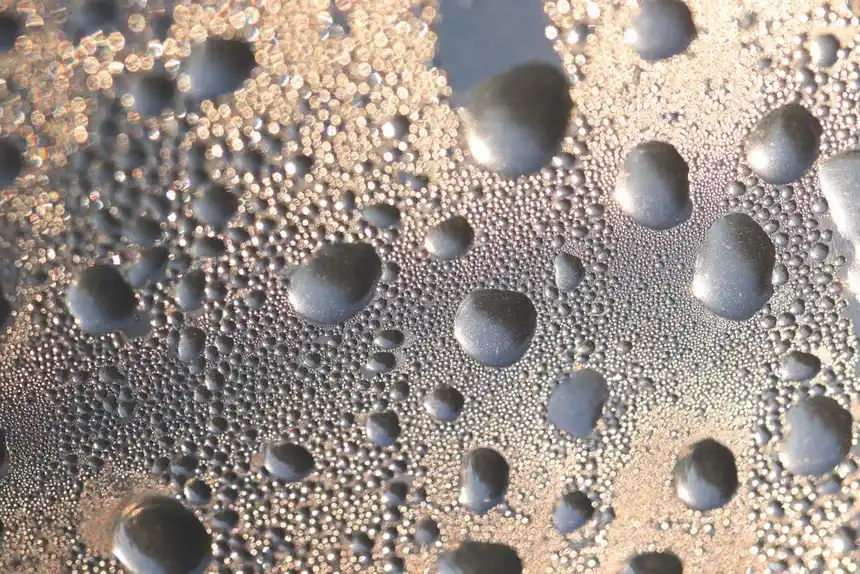
Artistic macro shot capturing water droplets condensed on a glass surface, creating a unique texture.
Licensed Licensed & Bonded
Fully Insured Insured & Bonded
24/7 Emergency Same-Day Response
Warranty Backed Workmanship Guaranteed in Fort Worth

What Is Included in the Assessment

Every assessment includes the full diagnostic walkthrough, thermal imaging, moisture meter readings, and a written report. Lab testing like air sampling, ERMI, or mycotoxin analysis is quoted separately if your situation calls for it. Here is what you get on a standard visit.

Room-by-Room Humidity Log

We record temperature and relative humidity in every room, plus the attic, crawl space, and any basement. Each reading is timestamped and logged so you can see the pattern. This baseline is what we compare against when you make fixes and want to verify improvement.

Thermal Imaging Scan

A FLIR thermal imaging camera scans walls, ceilings, and floors for temperature anomalies that signal hidden moisture. Cold spots behind drywall often mean wet framing or missing insulation. The images go into your report as visual evidence, not just a verbal description.

Moisture Meter Readings

We take Protimeter moisture meter readings at every suspicious location and log the percentage. Wood framing above 18 percent moisture content is at risk for mold and rot. You get the actual numbers, not a vague 'elevated moisture' note.

HVAC and Ventilation Check

We inspect the air handler, drain pan, coil, and duct insulation, then test bath and kitchen exhaust fans for actual airflow. A fan rated at 110 CFM that only moves 30 CFM is a problem we document. Filter condition and airflow restrictions are noted in the report.

Written Report and Fix List

Within 24 hours you receive a written report with all readings, thermal images, identified moisture sources, and a prioritized list of corrections. It includes dehumidifier sizing guidance and ventilation recommendations. We walk you through it by phone and answer every question.

What a Condensation and Humidity Control Assessment Fort Worth TX Covers


A Condensation and Humidity Control Assessment Fort Worth TX is a diagnostic service that measures indoor moisture, maps where condensation is collecting, and identifies the source feeding it. We check relative humidity room by room with a calibrated hygrometer, scan walls and ceilings with a FLIR thermal imaging camera, and pin down wet framing with a Protimeter moisture meter. You get readings, photos, and a written explanation of what is happening inside your building.

Fort Worth homes deal with two moisture seasons, not one. Summer pushes outdoor humidity past 70 percent and your air conditioner becomes the dehumidifier. Winter flips it: warm indoor air hits cold glass and exterior sheathing, and condensation forms behind the drywall where you never see it. That is why we recommend an indoor humidity testing Fort Worth TX visit before you spend money on remediation. Find the water source first, then fix it.

How Our Humidity Assessment in Fort Worth Works

Five steps, one visit, and a written report. Most assessments run two to three hours depending on square footage and how many problem areas you flag.

01

Schedule

Call or book online — a real human picks up and confirms a 2-hour arrival window.

02

Diagnose

Licensed tech inspects on-site, then walks you through the cause and your options.

03

Fix

The job is completed to code and done right the first time — no shortcuts, no surprises.

04

Guarantee

Every job backed by a written workmanship warranty — and we stand behind it.

Tools and Methods We Use

Tools & Equipment

FLIR Thermal Imaging Camera

Detects temperature differences that reveal hidden moisture, missing insulation, and air leaks behind finished surfaces. We use it on every assessment to find wet zones without cutting into drywall.

Protimeter Moisture Meter

Measures moisture content in wood, drywall, and concrete. Readings above 18 percent in framing indicate mold and rot risk. We log every reading with location and timestamp.

Calibrated Hygrometer

Records temperature and relative humidity in each room, plus attic and crawl space. This gives us the baseline data for the entire assessment and the numbers you track after making fixes.

Boroscope

A slim camera that slides inside wall cavities, ductwork, and framing bays to visually inspect areas a moisture meter cannot reach. We use it to confirm suspected growth or wet framing.

Air Sampling Pump and Spore Trap Cassettes

Draws a measured volume of air through an Air-O-Cell cassette to capture airborne spores. Samples go to EMSL Analytical or LabCorp for species identification and concentration counts.

Particle Counter

Measures airborne particle counts in real time, giving an immediate read on air quality. We compare indoor counts to outdoor control samples to determine whether indoor air is degraded.

Methods & Standards

ANSI/IICRC S520 Standard

The industry standard for mold assessment and remediation. We follow its protocols for moisture investigation, containment recommendations, and clearance criteria. Every report references the standard so contractors and clients work from the same playbook.

Thermal Imaging and Moisture Mapping

We combine thermal scans with moisture meter readings to build a map of wet zones across the building. Each reading is plotted on a floor plan so you can see the pattern and track improvement after corrections are made.

Air Sampling and Lab Analysis

When mold is suspected, we collect air samples with an air sampling pump and spore trap cassettes, plus surface samples via tape lift or swab. Samples ship to EMSL Analytical, LabCorp, or Mycometrics for analysis. Results include species and concentration.

ERMI Dust Sampling

ERMI testing uses a dust cloth sample analyzed by Mycometrics to produce a mold index score. It is useful as a baseline for real estate transactions or health concerns. We collect the sample, handle shipping, and explain the score in plain terms.

When to Book a Humidity Assessment

01

You just bought a Fort Worth home and the inspection report flagged moisture or a musty smell.

What we do: We run a full assessment with thermal imaging and moisture mapping, then test for mold if growth is suspected. You get a clear picture of what needs fixing and what it will cost before you close or move in.

→ You negotiate from facts, not guesses, and avoid inheriting a mold problem you did not know about.

02

Your family has allergies or asthma symptoms that get worse indoors.

What we do: We measure humidity, check ventilation, and collect air samples with an air sampling pump and spore trap cassettes. Lab results tell you whether indoor spore counts are elevated compared to outdoor baseline.

→ You know whether the indoor environment is contributing to symptoms and what to correct first.

03

You had a roof leak, slab leak, or burst pipe and want to confirm everything dried properly.

What we do: We measure moisture content in walls, ceilings, and floors, then compare readings to dry standard. If any area is still elevated, we document it and recommend targeted drying or further investigation.

→ You confirm the structure is dry before closing up walls, preventing hidden mold growth months later.

04

Your energy bills spiked and the house feels clammy even with the AC running.

What we do: We log HVAC runtime, measure humidity room by room, and check duct insulation and airflow. The report identifies whether the system is oversized, the ducts are leaking, or ventilation is the problem.

→ You get a targeted fix list that lowers humidity and reduces cooling costs without replacing equipment unnecessarily.

How Humidity Assessment Runs in Fort Worth

Fort Worth sits in a climate zone that swings hard between humid summers and dry, cold winters. Summer dew points above 65 degrees push outdoor moisture into every crack, and your AC has to remove it. Winter flips the script: warm indoor air meets cold exterior sheathing and condenses inside wall cavities. Older neighborhoods like Fairmount, Ryan Place, and Mistletoe Heights have pier-and-beam foundations with bare-soil crawl spaces that release ground moisture year-round. Newer builds in Eastchase and Wedgwood are tighter but often have oversized HVAC systems that short-cycle and leave humidity high. We adjust our diagnostic approach to the construction type. A professional humidity control assessment Fort Worth property owners can rely on has to account for all of this, not run a generic checklist. If you are searching for a Condensation and Humidity Control Assessment in Fort Worth TX near me, we cover the entire city and Tarrant County.

Neighborhoods We Serve

  • Arlington Heights

    Older pier-and-beam homes with crawl spaces that often lack vapor barriers. Ground moisture rises into the subfloor, and wood joists stay damp through spring and fall.

  • Ridglea

    Mix of mid-century ranches and newer builds. We frequently find bath fans venting into the attic and AC drain pans that overflow during heavy summer condensate production.

  • Mistletoe Heights

    Historic homes with original windows that condense heavily in winter. Poor glazing performance drives indoor humidity up and creates wet sills and frames.

  • Eastchase

    Newer construction with tight envelopes and oversized HVAC systems. Short cycling leaves indoor humidity above 60 percent even when the AC runs constantly.

  • Wedgwood

    Slab-on-grade homes where slab leaks and irrigation overspray drive moisture into walls. We use thermal imaging to trace the source without breaking concrete.

Local Conditions We Plan For

  • Summer dew points above 65 degrees

    Outdoor moisture infiltrates every time a door opens. Your AC becomes the primary dehumidifier, and if it is oversized or short-cycling, indoor humidity climbs above 60 percent and stays there.

  • Winter condensation on cold exterior walls

    Warm indoor air hits cold sheathing and glass, forming condensation inside wall cavities. This is invisible until you see staining or smell mustiness, which is why thermal imaging is essential in winter assessments.

  • Expansive clay soils

    Fort Worth's clay soil shifts with moisture changes, stressing foundation plumbing and creating slab leaks. We check for elevated moisture near slab edges and under flooring where leaks are common.

  • Aging housing stock in older neighborhoods

    Homes built before 1970 often have undersized or missing ventilation, original windows, and crawl spaces without vapor barriers. These factors combine to create chronic high humidity that requires a multi-fix approach.

Arlington Heights Crawl Space Drying

Before

A 1952 pier-and-beam home had 72 percent indoor humidity and a musty smell in the back bedroom. The crawl space had bare soil, no vapor barrier, and wood joists reading 24 percent moisture content. The bath fan was venting directly into the attic.

After

We recommended a vapor barrier installation, rerouted the bath fan to the roof, and sized a whole-home dehumidifier. Three weeks after corrections, indoor humidity dropped to 51 percent and joist moisture content fell to 14 percent. The musty smell was gone.

Maintenance: Keep the dehumidifier filter clean and verify the bath fan runs 15 minutes after every shower. Check the vapor barrier annually for tears or gaps.

Before

A 2018 home had indoor humidity at 64 percent even with the AC running constantly. The system was oversized for the square footage and short-cycling every 8 minutes. Duct insulation in the attic had gaps and the filter was clogged.

After

We documented the runtime data and humidity readings, then recommended duct sealing and a properly sized whole-home dehumidifier. After corrections, runtime extended to 18 minutes per cycle and humidity dropped to 49 percent. Energy bills fell by roughly 12 percent.

Maintenance: Replace the HVAC filter every 60 days and have the system checked annually for refrigerant charge and airflow. Keep the dehumidifier set to 50 percent year-round.

Before

A homeowner had a roof leak repaired two years earlier but still smelled mustiness in the hallway. Thermal imaging showed a cold spot in the ceiling cavity. Moisture meter readings were 22 percent on the drywall and 26 percent on the decking above.

After

We confirmed the leak had not been fully repaired and mold was growing on the decking. After proper roof repair and targeted remediation, follow-up readings showed drywall at 10 percent and decking at 12 percent. Air sampling confirmed spore counts back to outdoor baseline.

Maintenance: Inspect the roof annually before storm season and after any hail event. Keep gutters clear so water does not back up under shingles.

Moisture Problems We Solve Across Fort Worth

Most humidity complaints trace back to one of a handful of root causes. Here are the ones we see most often in Fort Worth and how we address each.

Problem

Windows sweating and dripping every winter

Condensation on glass means indoor humidity is too high for the outdoor temperature. Left alone, it runs down the frame, soaks the sill, and feeds mold inside the wall cavity within weeks.

Our Fix

We measure indoor and outdoor humidity, check window performance, and identify whether the source is excess moisture generation, poor ventilation, or an oversized HVAC system. You get specific corrections, from bath fan upgrades to dehumidifier sizing, so the sweating stops.

Problem

Musty smell in closets and bedrooms

A persistent musty odor usually means active mold growth nearby, even if you cannot see it. Spores circulate through the HVAC system and affect air quality in every room of the house.

Our Fix

We use thermal imaging and moisture meters to find the hidden wet zone, then collect air samples with an Air-O-Cell cassette if growth is suspected. Lab analysis through EMSL Analytical or LabCorp confirms species and concentration so you know exactly what you are dealing with.

Problem

High humidity even with AC running constantly

An oversized or short-cycling AC cools the air but does not run long enough to remove moisture. The house feels clammy, energy bills climb, and surfaces stay damp enough for mold and dust mites.

Our Fix

We log runtime and humidity readings, check the air handler and ductwork, and calculate whether the system is properly sized. Our report recommends the right fix, whether that is a whole-home dehumidifier, duct corrections, or an HVAC evaluation by a licensed tech.

Problem

Crawl space stays damp year-round

Bare soil under a pier-and-beam home releases ground moisture upward into the subfloor. Wood joists stay above 20 percent moisture content, and mold colonizes the underside of flooring within one season.

Our Fix

We measure wood moisture content and soil conditions, then recommend encapsulation materials and vapor barrier installation. If growth is already present, we document it and outline a remediation protocol that a licensed contractor can follow.

Why Fort Worth Property Owners Book This Assessment

Why Fort Worth Property Owners Book This Assessment

Moisture problems get expensive fast. Catching the source early is the difference between a $400 assessment and a $12,000 rebuild.

  • Stop Mold Before It Starts

    Mold needs 24 to 48 hours of sustained moisture to colonize drywall and framing. Our high humidity mold prevention Fort Worth Texas approach targets the source, not the stain. When we find a cold-water pipe sweating inside a cabinet or a bath fan venting into the attic, we tell you exactly what to fix so spores never get a foothold.

  • Cut Your Energy Bill

    A house running at 62 percent indoor humidity forces your AC to work harder and still feels clammy. Bringing it down to the 45 to 55 percent range lets the system cool the air instead of fighting it. Most clients see a measurable drop in summer runtime after we correct the ventilation and drainage issues we flag.

  • Protect Structural Framing

    Chronic condensation rots sill plates, softens subfloor sheathing, and rusts HVAC components. We use a boroscope to look inside wall cavities where a moisture meter alone cannot reach. Catching elevated wood moisture content at 18 percent instead of 28 percent saves you a framing repair and a full wall rebuild.

  • Get a Written Action Plan

    You receive a report with room-by-room humidity readings, thermal images, and a prioritized list of fixes. That includes dehumidifier sizing, ventilation corrections, and moisture barrier recommendations. It is the same document you can hand to a contractor, an HVAC tech, or a real estate agent without translation.

Local Experience You Can Verify

Our technicians hold IICRC and ACAC credentials and work to ANSI/IICRC S520 standards on every moisture and mold project. We carry CIEC and CMR certifications, and we operate under Texas Department of Licensing and Regulation (TDLR) requirements for mold-related work in Texas. We have assessed attics in Ridglea, crawl spaces in Mistletoe Heights, and slab-on-grade homes across Wedgwood. That local pattern recognition matters: Fort Worth construction varies block to block, and knowing what a 1950s pier-and-beam foundation does in a wet spring saves diagnostic time.

  • IICRC-certified technicians trained on ANSI/IICRC S520 moisture and mold standards.
  • ACAC credentials covering indoor air quality and microbial assessment.
  • Thermal imaging and moisture meter work performed on every assessment, no exceptions.
  • Experience with pier-and-beam, slab-on-grade, and crawl space construction across Tarrant County.
  • Written reports formatted for homeowners, contractors, and real estate transactions.
Get Started Today
Local Experience You Can Verify

Frequently Asked Questions

Real answers to the questions we hear most often from local homeowners and property managers.

How much does Condensation and Humidity Control Assessment cost in Fort Worth TX?
Most single-family assessments run $295 to $550 in 2026, depending on square footage and how many problem areas need investigation. Commercial buildings and multi-unit properties price higher. That fee covers the full walkthrough, thermal imaging, moisture meter readings, and the written report. If you need lab work like ERMI testing or air sampling, those are quoted separately before we run them.
What causes high humidity in Fort Worth homes?
The top four causes we find are oversized or short-cycling AC systems, bath and kitchen exhaust fans venting into the attic, unsealed crawl spaces pulling ground moisture upward, and roof or plumbing leaks that never fully dried. Fort Worth's summer dew points above 65 degrees make all four worse. We measure each one during the assessment and tell you which is actually driving your numbers.
What is ideal indoor humidity in Fort Worth TX?
Target 45 to 55 percent relative humidity year-round. Below 40 percent dries out wood flooring and causes static and sinus issues. Above 60 percent, dust mites thrive and condensation starts forming on cold surfaces like window glass and exterior wall sheathing. We log your current readings room by room and show you exactly how far off you are and what it takes to get back in range.
Does Humidity Control Assessment include dehumidifier recommendations in Fort Worth?
Yes. Every report includes a dehumidifier recommendation sized to your square footage and moisture load, with pint-per-day capacity and placement guidance. We do not sell units, so the recommendation is based on your readings, not inventory. If a whole-home unit is overkill, we will say so and suggest a portable or a ventilation fix instead.

Related Services

Mold Inspection

If your assessment turns up elevated moisture, a full mold inspection is the logical next step. We check visible growth, hidden cavities, and attic and crawl space surfaces, then document findings with photos and moisture readings so you know the scope before anyone quotes remediation.

View Mold Inspection

Mold Testing

Moisture alone does not confirm mold. We collect air samples with an Air-O-Cell cassette and surface samples via tape lift or swab, then send them to EMSL Analytical or LabCorp for analysis. Results tell you species, concentration, and whether the indoor air is worse than outdoor baseline.

View Mold Testing

Air Quality Testing

Humidity problems often come with airborne particle issues. We use an air sampling pump and particle counter to measure what you are breathing, then compare indoor counts to outdoor control samples. Useful when someone in the home has allergies or asthma symptoms that worsen indoors.

View Air Quality Testing

Moisture Mapping and Detection

Moisture mapping takes the readings from your humidity assessment and turns them into a floor plan showing wet zones. We mark each reading on a diagram so you can see the pattern, whether it is a slab leak spreading under tile or a roof leak tracking down a wall cavity.

View Moisture Mapping and Detection

Thermal Imaging Inspection

A FLIR thermal imaging camera reveals temperature differences that signal hidden moisture, missing insulation, or air leaks. We use it on every humidity assessment because it finds wet framing behind finished drywall without cutting. The images go into your report as visual proof.

View Thermal Imaging Inspection

Mold Remediation Protocol

When growth is confirmed, we write a remediation protocol that a licensed contractor can follow. It specifies containment, HEPA filtration, antimicrobial coatings, and clearance criteria per ANSI/IICRC S520. You get a scope of work that protects you from vague bids and change orders.

View Mold Remediation Protocol

Book Your Condensation and Humidity Control Assessment Fort Worth TX

Moisture problems do not fix themselves, and mold will not wait. Call us at +1 866-896-8166 and we will schedule your assessment, usually same-day or next-day. You get readings, a written report, and a clear plan. No guesswork, no pressure.

Call Now Schedule Assessment

Contact Fort Worth Mold Testing

Call (866) 896-8166 or email info@fortworthmoldtesting.com and we will get you on the schedule. We answer calls Monday through Friday from 8am to 6pm and run emergency response for water damage and post-storm inspections. Most standard inspections are booked within a day or two.

Or call us right now at +18668968166 — we answer.

Fort Worth Mold Testing


  • Phone

    +18668968166
  • Address

    Fort Worth, Texas

  • Hours

    Mon–Fri: 7AM – 7PM
    Sat: 8AM – 4PM
    Sun: Emergency Only
    24/7 Emergency Available

Call +18668968166 Get Quote
Call Quote