
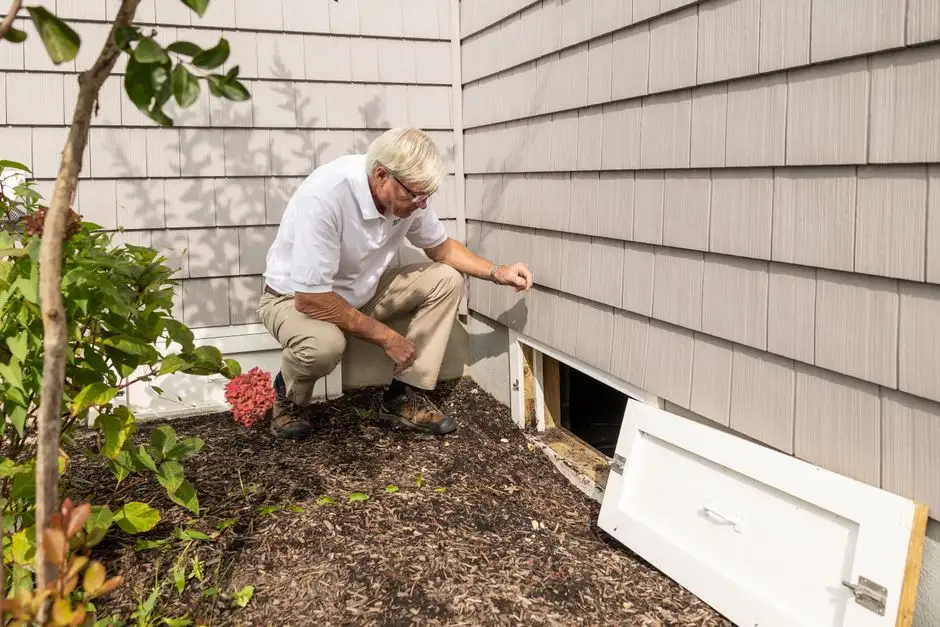
Full Visual Walkthrough
We crawl the entire space, not just the entry. Every joist, subfloor panel, duct run, and pier gets checked with a bright light and a boroscope for tight corners. Photos document what we find.
Every crawl space mold inspection Fort Worth TX job includes a full visual walkthrough, moisture readings, thermal imaging, and a written report. Air and surface sampling are included when mold is visible or suspected. If you need ERMI testing, mycotoxin testing, or a full-home inspection, we quote those as add-ons before we start.
We crawl the entire space, not just the entry. Every joist, subfloor panel, duct run, and pier gets checked with a bright light and a boroscope for tight corners. Photos document what we find.
We take readings at multiple points with a Protimeter or Bosch meter and log the numbers. You see exactly which boards are wet, how wet, and whether the moisture is spreading.
A FLIR thermal camera sweeps the crawl space for cool spots that signal hidden moisture. It catches leaks behind insulation and under subfloor that a visual inspection would miss.
When mold is visible or suspected, we pull air samples with a Zefon pump and spore trap cassettes, plus tape lift or swab samples. Samples go to EMSL Analytical or LabCorp for species ID and spore counts.
We check coverage, seams, and condition of your existing vapor barrier. Missing sections, tears, and gaps around piers get documented with photos and noted in the report.
You get a report within 24 hours that includes photos, moisture readings, lab results, and a prioritized list of fixes. It is written to ANSI/IICRC S520 standards so any contractor can bid from it.
Crawl Space Mold Inspection Fort Worth TX is a hands-on evaluation of the unconditioned space under your home, using moisture meters, a thermal imaging camera, and air sampling pumps to confirm whether mold is active and how far it has spread. We check joists, subfloor, insulation, ductwork, and vapor barriers. We look for the water source, not just the stain, because mold without a moisture fix comes right back.
Fort Worth homes sit on clay soil that holds water after every spring storm, and crawl spaces here stay humid well into fall. That is why we see so much crawl space mold from humidity in Fort Worth Texas, plus roof leaks and slab leaks that drip for months before anyone notices. If you need a crawl space mold assessment near me in Fort Worth TX, we can usually be under your house the same day you call.
Every job follows the same five steps, whether it is a 900-square-foot bungalow in Fairmount or a 4,000-square-foot home in Tanglewood. You get a call before we arrive, a walkthrough after, and a written report within 24 hours.
Schedule
Call or book online — a real human picks up and confirms a 2-hour arrival window.
Diagnose
Licensed tech inspects on-site, then walks you through the cause and your options.
Fix
The job is completed to code and done right the first time — no shortcuts, no surprises.
Guarantee
Every job backed by a written workmanship warranty — and we stand behind it.
Protimeter and Bosch Moisture Meters
Pin and pinless meters measure moisture content in wood and drywall. We log readings at multiple points to see how far moisture has spread and whether it is rising or drying.
FLIR Thermal Imaging Camera
Thermal imaging shows cool spots that signal hidden moisture behind insulation and under subfloor. It is how we find leaks that a visual walkthrough would miss.
Zefon Air Sampling Pump and Air-O-Cell Cassettes
The pump pulls a calibrated volume of air through a spore trap cassette. Lab analysis tells us species and spore counts, which is the data that drives remediation decisions.
Boroscope
A flexible camera lets us see into tight corners, behind ductwork, and inside wall cavities connected to the crawl space. It catches growth in spots no flashlight can reach.
Hygrometer and Particle Counter
The hygrometer logs relative humidity and dew point. The particle counter measures airborne particulates so we can compare crawl space air to outdoor and indoor baseline levels.
ERMI Dust Cloths and Mycotoxin Test Kits
ERMI cloths give a single mold-load score for the home. Mycotoxin kits from Mycometrics identify toxin-producing species when standard spore counts do not tell the full story.
HEPA Vacuums and Antimicrobial Coatings
Used during cleanup and post-remediation work to remove settled spores and treat surfaces. We reference these in the protocol we write for your remediation contractor.
ANSI/IICRC S520 Standard
The industry standard for mold assessment and remediation. Every report we write follows S520 language so remediation contractors, adjusters, and real estate agents can act on it without translation.
Moisture Mapping
We take readings across the crawl space and build a map of wet zones. That map tells you where water is entering, how far it has traveled, and which repairs will actually solve the problem.
Air and Surface Sampling
Air samples capture what is airborne; tape lift and swab samples capture what is growing on surfaces. Together they give a complete picture of the mold load in your crawl space.
Thermal Imaging Sweep
We sweep the entire crawl space with a FLIR camera, then confirm any cool spots with a moisture meter. This two-step approach eliminates false positives and pinpoints real moisture.
Written Remediation Protocol
When remediation is needed, we write a protocol that specifies scope, containment, PPE, and clearance criteria. Contractors bid from the same document, so you get comparable quotes.
01
What we do: We run a full crawl space mold assessment with air and surface sampling, deliver lab results within 72 hours, and provide a written report you can use during the option period.
→ You know whether mold is active, what it will cost to fix, and whether to ask the seller for a credit or walk away.
02
What we do: We inspect the area around the repair, run moisture readings, and pull air samples if anything looks suspicious. Thermal imaging catches hidden moisture behind insulation.
→ You get confirmation the space is dry, or a documented scope of work if mold did start. Either way, you stop wondering.
03
What we do: We test crawl space air and surfaces, plus indoor air in living areas, to see whether spore counts are elevated. If mycotoxins are a concern, we add Mycometrics testing.
→ You get data your doctor can review and a clear remediation plan if mold is the culprit.
04
What we do: We schedule annual or post-tenant crawl space inspections with photo documentation and lab results. Reports are formatted for property records and insurance.
→ You catch moisture problems early, protect your asset, and have documentation if a tenant raises a mold complaint.
05
What we do: We respond 24/7 for post-storm inspections, map moisture with meters and thermal imaging, and sample for mold if wood stayed wet more than 48 hours.
→ You know whether the space dried properly or needs remediation, before mold spreads into the living area.
Fort Worth sits on expansive clay soil that swells when wet and shrinks when dry. After a wet spring, that soil pushes water against foundations and keeps crawl spaces humid for months. Most of the older housing stock in Fairmount, Ryan Place, and Mistletoe Heights is pier-and-beam with original or partially replaced vapor barriers, and those are the homes where we find the most crawl space mold. Newer builds in Wedgwood and Eastchase are not immune either, because tighter construction traps humidity and condensation on ducts. When you book a professional crawl space mold inspection Fort Worth appointment, we schedule around the weather. If a storm just rolled through, we prioritize post-storm calls so you are not waiting a week to find out whether water got under the house. Every report is written to ANSI/IICRC S520 and Texas Department of Licensing and Regulation (TDLR) mold rules, so it holds up whether you are filing an insurance claim, closing a real estate deal, or just fixing your own home.
Fairmount
Older pier-and-beam homes with original vapor barriers. High humidity and mature trees mean roof leaks and crawl space mold go hand in hand here.
Tanglewood
Larger homes with multiple crawl space zones. We often find moisture concentrated near additions and HVAC duct runs.
Near Southside
Mix of renovated bungalows and new construction. Renovations sometimes disturb vapor barriers, which lets ground moisture back in.
Arlington Heights
Historic homes with pier-and-beam foundations. Slab leaks and aging plumbing are common moisture sources we trace during inspections.
Wedgwood
Mid-century homes with crawl spaces that have been retrofitted over the years. We check for gaps where new work meets old barriers.
Expansive clay soil after spring storms
Water pushes against foundations and wicks into crawl spaces. Vapor barriers fail faster, and humidity stays elevated for weeks after the rain stops.
High summer humidity with mild winters
Crawl spaces rarely dry out completely. Mold can stay active year-round, which is why we recommend annual inspections for older Fort Worth homes.
Aging pier-and-beam housing stock
Original vapor barriers, older duct insulation, and slow plumbing leaks all feed mold growth. We document each source so repairs are targeted.
Post-storm flooding and roof damage
After a major storm, water enters crawl spaces through vents and foundation gaps. We prioritize 24/7 response so wet wood does not sit long enough to grow mold.
Most crawl space problems start small and get expensive. Here are the ones we see most often in Fort Worth homes, and what happens if you let them ride.
Problem
Odors mean active mold or bacteria. Left alone, the smell spreads into living areas and can trigger allergies and headaches for everyone in the house.
Our Fix
We trace the smell to its source with a boroscope and moisture meter, then sample the air to confirm what is growing. You get a clear answer and a fix plan instead of another air freshener.
Problem
Staining is often the first visible sign of mold. If the wood stays wet, it loses structural strength and can sag under load over time.
Our Fix
We test the wood with a moisture meter, photograph the staining, and pull tape lift samples to identify the species. If the joists are compromised, we flag it for a structural contractor.
Problem
Without a sealed barrier, ground moisture rises into the crawl space all year. That keeps humidity above 60% and feeds mold growth even when no leak is present.
Our Fix
We document every gap and tear in the report and recommend a properly sealed barrier. It is the cheapest long-term fix for crawl space mold from humidity in Fort Worth Texas.
Problem
Cold ducts in a humid crawl space sweat constantly. That moisture drips onto wood and insulation, creating the perfect environment for black mold.
Our Fix
We check duct insulation, pipe wraps, and airflow during the inspection. The report tells you whether re-insulating, dehumidifying, or encapsulating is the right move.
Problem
A slow leak can drip for months before it shows up inside. By the time you see water, mold has usually been growing for weeks.
Our Fix
We use thermal imaging and moisture mapping to trace water back to its source. The report tells your plumber or roofer exactly where to look, so the fix is targeted and fast.
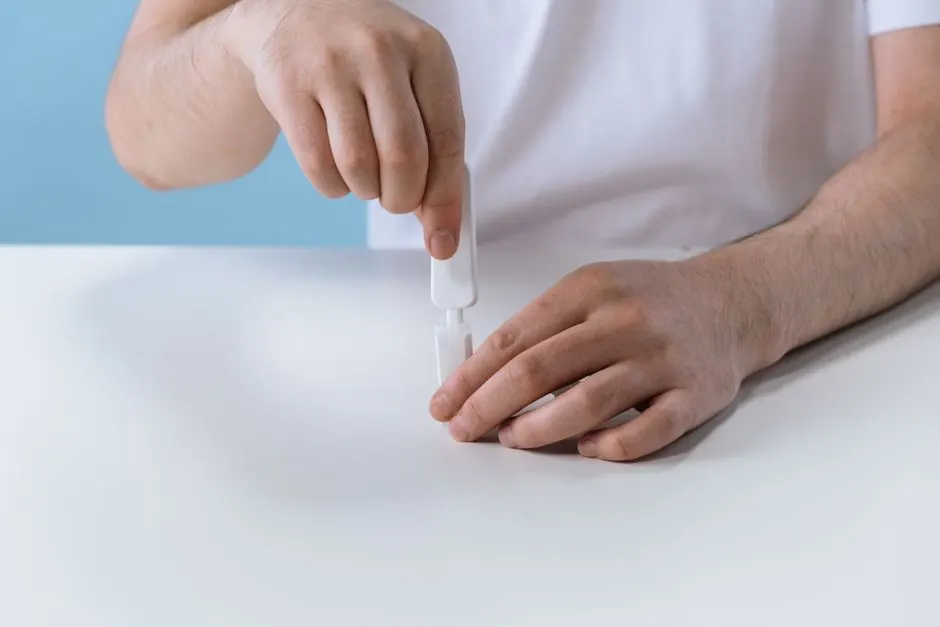
Mold under a house does not stay under the house. It rides the stack effect up through the floor, into the HVAC, and into the air your family breathes. Here is what a proper inspection gets you.
Find It Before It Spreads
Mold colonies can double in size in days when humidity stays above 60%. Our thermal imaging camera and moisture meter catch active growth behind insulation and under subfloor before it reaches the joists. Catching it early is the difference between a spot treatment and a full encapsulation job.
Protect Indoor Air Quality
Air from the crawl space moves up into your living area, so mold spores and mycotoxins end up in bedrooms and kitchens. We run air sampling with Zefon Air-O-Cell cassettes and a particle counter so you know what is actually circulating. That data is what tells you whether you need remediation or just moisture control.
Stop Repeat Water Problems
Mold is a symptom. The cause is almost always a roof leak, slab leak, or poor ventilation. We trace the moisture source during the inspection and document it with photos, so your plumber or roofer fixes the right thing the first time. No guessing, no paying twice.
Documentation for Real Estate
If you are buying or selling a home in Fort Worth, a written crawl space mold assessment Fort Worth TX report carries weight with lenders and buyers. We deliver lab results from EMSL Analytical or LabCorp, photos, and a clear scope of work. That keeps a deal moving instead of stalling at the option period.
Our inspectors have crawled thousands of pier-and-beam and slab-foundation homes across Tarrant County. We hold IICRC and ACAC credentials and follow ANSI/IICRC S520 for every assessment. That means our reports stand up to scrutiny from real estate agents, insurance adjusters, and remediation contractors. We know what Fort Worth clay soil does to a vapor barrier after a wet spring, and we know which neighborhoods have the older pier-and-beam stock that hides moisture the longest. When you hire us, you get a technician who has seen your exact situation before and can tell you what it will take to fix it.
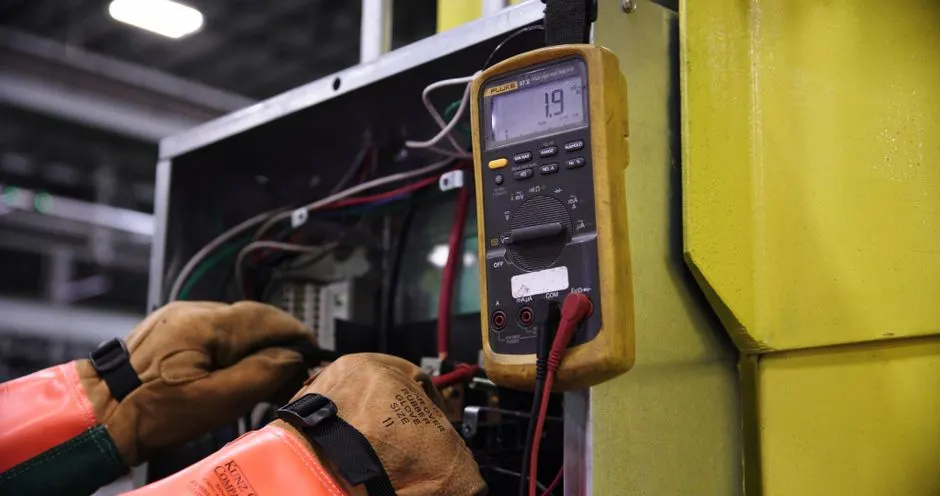
Real answers to the questions we hear most often from local homeowners and property managers.
A full-home mold inspection covers the crawl space plus attic, walls, and HVAC. If we find crawl space growth, we often recommend a whole-house inspection to confirm the mold has not spread to living areas.
View Mold InspectionMold testing uses air samples and surface samples to identify species and spore counts. It pairs with a crawl space inspection when you need lab proof for a real estate deal, insurance claim, or doctor's review.
View Mold TestingAir quality testing measures particulates, VOCs, and mold spores inside the home. It is the best way to confirm whether crawl space mold is affecting the air your family breathes in Fort Worth.
View Air Quality TestingMoisture mapping pinpoints where water is entering or pooling under your home. We use meters and thermal scans to build a map of wet zones so repairs target the actual source, not the symptom.
View Moisture Mapping and DetectionA thermal imaging inspection uses a FLIR camera to find cool spots that signal hidden moisture. It is how we catch leaks behind insulation and under subfloor that a visual walkthrough would miss.
View Thermal Imaging InspectionWhen mold is confirmed, we write a remediation protocol to ANSI/IICRC S520 standards. Any licensed contractor can bid from it, so you get apples-to-apples quotes instead of vague estimates.
View Mold Remediation ProtocolCall (866) 896-8166 or email info@fortworthmoldtesting.com and we will get you on the schedule. We answer calls Monday through Friday from 8am to 6pm and run emergency response for water damage and post-storm inspections. Most standard inspections are booked within a day or two.
Phone
+18668968166Address
Fort Worth, Texas
Hours
Mon–Fri: 7AM – 7PM
Sat: 8AM – 4PM
Sun: Emergency Only
24/7 Emergency Available