
On-Site Moisture Walkthrough
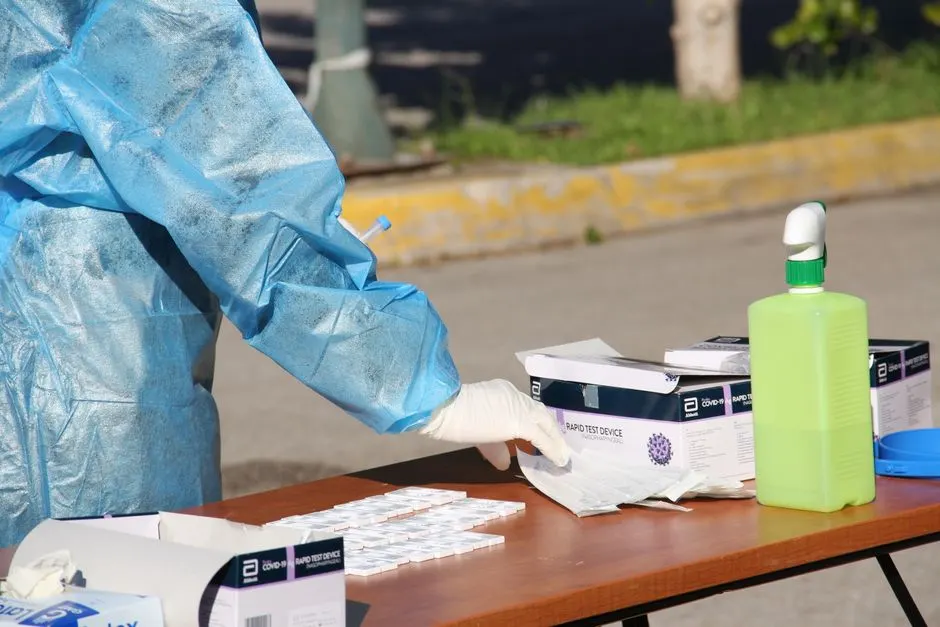
A technician inspects the attic, crawl space, HVAC closet, and any room with reported odor or staining. We take moisture meter readings at each suspect area and photograph what we find.
Every ERMI visit includes the site work, the lab analysis, and the written report. Add-ons like additional samples, rush turnaround, and mycotoxin screening are quoted separately so you only pay for what you need.
A technician inspects the attic, crawl space, HVAC closet, and any room with reported odor or staining. We take moisture meter readings at each suspect area and photograph what we find.
One ERMI dust cloth sample collected from a bedroom floor and a return air vent using the accepted protocol. The cloth is sealed, labeled, and logged on a chain-of-custody form.
The sample runs through quantitative polymerase chain reaction testing for 36 mold species at an accredited lab such as EMSL Analytical or Mycometrics, producing a comparable ERMI score.
You receive the ERMI score, the Group 1 water-damage indicator species list, the Group 2 common species list, moisture readings, and thermal images in one PDF you can forward to anyone.
A 15 to 20 minute call where we explain what the number means, where the moisture is likely coming from, and what the next step should be. No pressure to buy anything else.
If remediation or repairs follow, we schedule a post-work ERMI test at the 60-day mark so you have a documented before-and-after comparison for insurance or resale.
ERMI Testing Fort Worth TX is a dust-based laboratory analysis that compares the mold DNA in your home against a baseline of 1,096 U.S. homes, producing a single score that tells you how moldy your indoor environment is. A technician wipes a specific area with an ERMI dust cloth, usually from a bedroom floor or a return air vent, and sends that sample to a lab for qPCR analysis. The result is an Environmental Relative Moldiness Index score, not a pass-or-fail grade.
Fort Worth homes deal with a specific set of mold pressures: high summer humidity, slab leaks under pier-and-beam floors, roof leaks after spring hail, and HVAC systems that run hard from May through September. Any of those can seed a hidden colony behind drywall or above a ceiling tile. An ERMI mold test Fort Worth TX gives you a defensible number you can hand to a remediator, a landlord, or a doctor. If you have been searching for an ERMI mold test near me Fort Worth, this is how the process works.
Five steps from first call to a written report. Most jobs are done inside a week.
Schedule
Call or book online — a real human picks up and confirms a 2-hour arrival window.
Diagnose
Licensed tech inspects on-site, then walks you through the cause and your options.
Fix
The job is completed to code and done right the first time — no shortcuts, no surprises.
Guarantee
Every job backed by a written workmanship warranty — and we stand behind it.
Protimeter Moisture Meter
Pin and pinless readings on drywall, framing, and subfloor to confirm active moisture at the time of the ERMI sample.
FLIR Thermal Imaging Camera
Infrared scans that reveal temperature differentials caused by hidden moisture behind walls and under flooring.
ERMI Dust Cloths
Standardized collection cloths used to wipe a defined surface area so the lab sample is comparable to the national baseline.
Air Sampling Pump and Air-O-Cell Cassettes
Spore trap sampling for a same-day airborne snapshot, often added alongside the ERMI dust test.
Hygrometer
Relative humidity logging to confirm whether indoor conditions are above the 50 percent threshold that supports mold growth.
Boroscope
Inspection camera used to look inside wall cavities, ductwork, and crawl space voids without cutting drywall.
Particle Counter
Quantifies airborne particulate levels before and after remediation to confirm the air has actually cleared.
ANSI/IICRC S520 Standard
The industry standard for mold assessment and remediation that governs how we scope work, document conditions, and define clearance criteria. Following it keeps our reports aligned with what remediators and adjusters expect to see.
qPCR Analysis
Quantitative polymerase chain reaction testing identifies and counts mold DNA by species rather than relying on a microscope. This is what makes the ERMI score reproducible across different labs and different homes.
Tape Lift and Swab Sampling
Direct surface sampling used when visible growth is present. Tape lift sampling captures the colony structure, while swab sampling works better on porous or irregular surfaces. Both supplement the ERMI dust result.
Moisture Mapping Grid
A systematic reading pattern across walls, floors, and framing that produces a moisture map of the structure. This is what converts an ERMI score into an actual repair location for your contractor.
01
What we do: We collect an ERMI dust sample from the room nearest the repaired area and run a moisture meter sweep to confirm the structure is dry. If the score is low, you have documentation for your records. If it is elevated, we locate the residual moisture before it spreads.
→ A written score you can keep on file, plus a clear answer on whether further work is needed.
02
What we do: We schedule a rush ERMI test inside your option period and pair it with an attic inspection using a boroscope and moisture meter. The report goes to your agent the same day results come back.
→ Negotiating evidence that supports a repair request, a price adjustment, or a clean walk-away decision.
03
What we do: We run a standard ERMI test plus a humidity assessment with a hygrometer to see whether indoor relative humidity is above 50 percent. If it is, we recommend the ventilation or dehumidification fix alongside the test.
→ A baseline score to compare against future tests, plus a concrete humidity target to maintain.
04
What we do: We sample the affected unit and, if the building shares an HVAC system, a second unit for comparison. The report documents the score for each unit so you know whether the issue is isolated or building-wide.
→ Documentation that supports a repair decision and protects you if the tenancy dispute escalates.
Fort Worth sits in a climate zone that swings hard: humid Gulf air from May through September, then dry northers in winter that pull moisture out of framing and can cause condensation on cold surfaces. That combination drives most of the mold calls we run. Older pier-and-beam homes in Fairmount, Ryan Place, and Mistletoe Heights often have crawl spaces with torn vapor barriers and elevated humidity, which pushes ERMI scores up even when the living space looks clean. Newer construction in Eastchase and Wedgwood tends to be tighter, so poor ventilation and oversized HVAC systems become the driver instead. We also see a spike in roof leak calls after spring hail storms, and slab leaks in older slab-on-grade homes that go undetected for months. When you book professional ERMI testing Fort Worth, we factor all of this into where we sample and what we check. If you need same-day ERMI testing Fort Worth Texas, call before noon and we will do our best to get a technician out that day.
Fairmount
Historic bungalows with pier-and-beam foundations and original ventilation gaps. Crawl space humidity is the most common driver of elevated ERMI scores here.
Mistletoe Heights
Older homes with mature tree canopy that keeps roofs shaded and slow to dry after rain. Attic sheathing mold shows up frequently in this area.
Eastchase
Newer construction with tight envelopes and oversized HVAC systems. Poor ventilation and condensation on cold surfaces drive most of the ERMI calls here.
Ridglea
Mix of mid-century and newer homes with a lot of slab-on-grade construction. Undetected slab leaks are a recurring source of hidden moisture.
Near Southside
A growing number of renovated rentals and multi-unit properties. We frequently sample two units to determine whether an issue is isolated or building-wide.
Summer humidity above 60 percent for weeks at a time
Indoor relative humidity climbs even with the AC running, and any surface below the dew point becomes a growth site. We check humidity during every ERMI visit and recommend dehumidification when readings stay above 50 percent.
Spring hail storms that damage roof decking and flashing
Small roof leaks go unnoticed until staining appears on a ceiling. We see a spike in ERMI requests from June through August following spring storm seasons.
Expansive clay soils that shift and stress slab plumbing
Slab leaks develop slowly and saturate the slab and flooring from below. Thermal imaging during the ERMI visit often catches these before visible damage appears.
Oversized HVAC systems in newer tight-built homes
Short run cycles do not remove enough moisture, so indoor humidity stays high. We check the air handler and return plenum during every ERMI inspection for this reason.
An ERMI score is most useful when you have a symptom but no clear source. These are the situations we get called for most often in Fort Worth.
Problem
The smell keeps coming back after cleaning, and you start second-guessing whether it is real. Meanwhile a colony behind drywall keeps spreading.
Our Fix
We collect an ERMI dust sample from the affected room and run thermal imaging on the walls and ceiling. The score confirms whether the odor is mold-related, and the thermal scan usually points to the wet cavity feeding it.
Problem
Allergy tests come back inconclusive and the doctor asks whether the home has a mold issue. Without data, there is nothing to act on.
Our Fix
An ERMI mold test Fort Worth TX gives your physician a species-level breakdown to work with. We flag the water-damage indicator species separately so the health conversation stays focused on what is actually present.
Problem
The general inspector noted staining but could not confirm mold. The buyer wants a credit, the seller says it is cosmetic, and the option period is ticking.
Our Fix
We run a rush ERMI test and deliver results in three business days. The report gives both sides a number to negotiate around instead of opinions, and it holds up if the deal goes to a second round of inspection.
Problem
The remediator says the job is complete, but you have no way to verify. If the score is still elevated, you are back to square one with no leverage.
Our Fix
A follow-up ERMI test at the 60-day mark gives you a documented before-and-after score. If the number did not drop, we identify what was missed, whether that is a hidden cavity, the HVAC system, or a crawl space vapor barrier.

An ERMI score turns a vague worry into a measurable number. Here is what that gets you in practice.
One Number, No Guessing
The ERMI score runs from roughly -10 to 20. Below 0 is low, 0 to 5 is moderate, and above 5 usually means a moisture problem worth chasing. Instead of arguing about a smell, you have a lab-issued figure you can compare against a national baseline and re-test after remediation.
Catches Hidden Growth
Mold behind drywall, under laminate flooring, or inside a return plenum does not always show up visually. Dust sampling pulls DNA from the whole room, so a colony you cannot see still registers. We pair the sample with a moisture meter and thermal imaging camera to find where the water is coming from.
Useful for Health Questions
If someone in the house has asthma, chronic sinus issues, or a known mold sensitivity, an ERMI mold test near me Fort Worth TX 24/7 gives an allergist or functional medicine doctor something concrete to work with. The report breaks out water-damage indicator species separately from common outdoor types.
Strong Evidence for Real Estate
Buyers and sellers in Tarrant County use ERMI results during option periods when a general inspection flags moisture but no visible mold. A documented score supports a repair request, a price adjustment, or a clean bill of health before closing day.
Google ★★★★★4.9
Called on a Tuesday morning about a musty smell in our TCU area rental. They were out the same afternoon, collected the ERMI sample, and had the report to us by Friday. Score was 7.2 and they traced it to a leaking supply line behind the kitchen wall. Straightforward and no upsell.
Yelp ★★★★★4.8
We used them for a post-remediation ERMI test after a remediation company finished work in our Arlington Heights home. The score was still elevated at 6.1 and they identified the HVAC return as the missed source. That second opinion saved us thousands.
BBB ★★★★★4.9
As a realtor I need fast, clean reports. They delivered a rush ERMI result in three days for a client in Wedgwood and the report was formatted well enough to send straight to the listing agent. I have used them four times since.
Google ★★★★★5.0
My daughter has asthma and we wanted a baseline before committing to a big remediation quote. The ERMI score came back at 3.4, which they explained was moderate, and they pointed us to a humidity fix instead of a full gut. Honest work.
Our technicians work mold and moisture calls across Fort Worth every week, from 1920s bungalows in Fairmount to new builds in Eastchase. We hold IICRC and ACAC credentials, follow the ANSI/IICRC S520 standard for mold work, and operate under Texas Department of Licensing and Regulation (TDLR) requirements. We use the same lab partners the insurance industry uses, including EMSL Analytical and Mycometrics, so the report format is one adjusters and remediators already recognize. That matters when you need a second opinion to hold up.
Real answers to the questions we hear most often from local homeowners and property managers.
A full visual and moisture inspection of the attic, crawl space, HVAC, and living areas. We pair it with ERMI Testing Fort Worth TX when you want both a location and a lab number in one visit.
View Mold InspectionAir and surface sampling using Air-O-Cell spore trap cassettes and tape lift sampling. Complements ERMI dust results when you need to know what is airborne right now versus what has settled over time.
View Mold TestingParticle counter and air sampling pump readings that quantify airborne spores and particulates. Useful after ERMI Testing Fort Worth TX flags an elevated score and you want to track improvement.
View Air Quality TestingA grid of Protimeter and Bosch moisture meter readings across walls, floors, and framing. This is what turns an ERMI score into an actual repair location for your plumber or roofer.
View Moisture Mapping and DetectionFLIR thermal imaging camera scans that reveal hidden moisture behind drywall and under flooring. We run these during every ERMI test so the sample has context.
View Thermal Imaging InspectionA written scope that tells a remediation contractor exactly what to remove, clean, and encapsulate. We build these from ERMI results and moisture data so bids come back comparable.
View Mold Remediation ProtocolCall (866) 896-8166 or email info@fortworthmoldtesting.com and we will get you on the schedule. We answer calls Monday through Friday from 8am to 6pm and run emergency response for water damage and post-storm inspections. Most standard inspections are booked within a day or two.
Phone
+18668968166Address
Fort Worth, Texas
Hours
Mon–Fri: 7AM – 7PM
Sat: 8AM – 4PM
Sun: Emergency Only
24/7 Emergency Available