

Full Visual Inspection
We walk the exterior and interior, checking roofs, walls, ceilings, floors, and plumbing fixtures. Every room gets looked at, not just the one with the visible problem.
Every assessment includes the core investigation and a written report. Add-ons like air sampling or mold testing are available if the situation calls for them. Here is what you get as standard.
We walk the exterior and interior, checking roofs, walls, ceilings, floors, and plumbing fixtures. Every room gets looked at, not just the one with the visible problem.
We take pin and pinless readings on walls, floors, and baseboards. These numbers tell us how wet each material is and whether it is drying or getting worse.
A FLIR thermal camera reveals temperature differences that indicate hidden moisture behind drywall, under floors, and inside ceilings. No cutting required.
We sketch the affected area and mark every reading on it. This map shows the spread of moisture and becomes your baseline for drying or remediation.
You get a report with photos, thermal images, meter readings, and our recommendation. This document works for insurance claims, real estate transactions, and contractor bids.
We trace the moisture back to its entry point, whether that is a roof leak, slab leak, supply line, or HVAC condensate. Knowing the source is the first step to fixing it.
A water damage assessment is a room-by-room investigation that measures how much moisture is trapped in your structure and where it came from. We start with a Protimeter moisture meter on walls, baseboards, and subfloor, then confirm with a FLIR thermal imaging camera to see temperature differences behind drywall. A boroscope goes into wall cavities and under cabinets. We check the hygrometer readings against normal indoor humidity, and we log every reading so you can see the spread on paper.
Fort Worth homes deal with a specific set of water problems. Spring storms drop hail and heavy rain on roofs in Wedgwood and Eastchase, slab leaks quietly soak foundations in Ryan Place, and August humidity pushes condensation through attic sheathing in Tanglewood. If you have been searching for water damage inspection near me Fort Worth after a storm, we can usually get eyes on the problem the same day. Catching it early is the difference between drying a wall and replacing one.
Every job follows the same five steps. You will know what we are doing, what we find, and what it costs before we leave.
Schedule
Call or book online — a real human picks up and confirms a 2-hour arrival window.
Diagnose
Licensed tech inspects on-site, then walks you through the cause and your options.
Fix
The job is completed to code and done right the first time — no shortcuts, no surprises.
Guarantee
Every job backed by a written workmanship warranty — and we stand behind it.
Protimeter Moisture Meter
Measures moisture content in walls, floors, and wood framing. Gives us pin and pinless readings to compare wet vs. dry areas.
FLIR Thermal Imaging Camera
Reveals temperature differences that indicate hidden moisture behind drywall, under floors, and inside ceilings. No cutting required.
Boroscope
A camera on a flexible rod that lets us see inside wall cavities, under cabinets, and inside HVAC ducts without demolition.
Hygrometer
Measures relative humidity in the air. Helps us determine if high humidity is contributing to condensation and mold growth.
Zefon Air-O-Cell Cassettes
Spore trap cassettes used for air sampling. Samples are sent to EMSL Analytical for lab analysis.
Mycometrics ERMI Dust Cloths
Used for ERMI testing to get a mold index score for the home. Lab analysis provides a detailed report.
ANSI/IICRC S520 Standard
The industry standard for mold remediation. We follow this standard when assessing moisture and recommending remediation protocols.
Moisture Mapping
We sketch the affected area and mark every moisture reading on it. This map shows the spread of moisture and becomes the baseline for drying or remediation.
Thermal Imaging Survey
We scan walls, floors, and ceilings with a thermal camera to find temperature differences that indicate hidden moisture. This is a non-invasive way to see behind surfaces.
Air Sampling
We use Zefon Air-O-Cell cassettes to collect air samples, then send them to EMSL Analytical for analysis. Results tell us whether spore counts are elevated.
01
What we do: We inspect the attic and ceiling cavity, take moisture readings, and trace the leak back to its source. Thermal imaging shows how far the moisture has spread.
→ You get a written report with photos and a clear recommendation on whether drying or repair is needed.
02
What we do: We use thermal imaging and moisture meters to locate hidden leaks in walls, floors, and slabs. We check supply lines, drains, and appliance connections.
→ You know exactly where the leak is and can call the right contractor to fix it.
03
What we do: We perform a full assessment including moisture mapping, thermal imaging, and a written report. This documentation protects you during negotiations.
→ You have proof of the home's moisture condition before you close.
04
What we do: We inspect wall cavities, crawl spaces, and HVAC systems with a boroscope and thermal camera. Air sampling can confirm whether mold is present.
→ You get a clear answer on what is causing the smell and what to do about it.
Fort Worth has a mix of pier-and-beam homes in older neighborhoods and slab-on-grade builds in newer ones. Each construction type has its own moisture problems. Pier-and-beam homes in Fairmount and Ryan Place often have crawl spaces that trap humidity and need vapor barriers. Slab homes in Ridglea and Tanglewood are prone to slab leaks that go unnoticed until flooring warps. Summer heat pushes attic temperatures above 140 degrees, which stresses roof decking and HVAC systems. Spring storms drop heavy rain and hail that find every roof penetration. If you need same-day water damage assessment Fort Worth Texas after a storm, we prioritize those calls. We know the ZIP codes, the construction types, and the common failure points.
Fairmount
Historic pier-and-beam homes with crawl spaces that trap moisture. We check joists, subfloor, and vapor barriers.
Tanglewood
Slab-on-grade homes with mature trees. Root intrusion into sewer lines is a common source of moisture problems.
Ridglea
Mix of older and newer homes. We see slab leaks and roof leaks from aging shingles.
Wedgwood
Post-storm roof leaks are common. We check attic sheathing and ceiling cavities after heavy rain.
Eastchase
Newer construction with tight building envelopes. Poor ventilation can trap moisture inside.
Summer heat above 100 degrees
HVAC systems run constantly, and condensate lines can clog. Attic temperatures exceed 140 degrees, stressing roof decking.
Spring storms with heavy rain and hail
Roof penetrations and flashing failures let water into attics and walls. We see a spike in assessment calls after every major storm.
High humidity in spring and fall
Indoor humidity rises, causing condensation on windows and walls. Without proper ventilation, mold can grow on cool surfaces.
Expansive clay soil
Fort Worth's clay soil shifts with moisture changes, stressing foundations and underground plumbing. Slab leaks are common.
Water damage does not fix itself. Here are the problems we see most often and what happens when they are ignored.
Problem
Water soaks insulation and ceiling drywall, creating a mold-friendly environment within 48 hours.
Our Fix
We trace the leak with thermal imaging and moisture meters, map the affected area, and document everything for your insurance claim. You get a clear picture of the damage before you call a roofer.
Problem
Slow slab leaks warp hardwood, crack tile, and drive up water bills without visible signs until damage is extensive.
Our Fix
We use thermal imaging and moisture meters to locate the leak without demolition. The moisture map shows how far water has traveled under your floors.
Problem
Hidden mold growth in walls or crawl spaces releases spores that affect air quality and can cause health issues.
Our Fix
We inspect wall cavities with a boroscope and take air samples if needed. If mold is present, we identify the type and recommend next steps.
Problem
Condensation on windows and walls feeds mold growth and damages paint, trim, and insulation over time.
Our Fix
We measure indoor humidity with a hygrometer and check ventilation. If humidity is the issue, we recommend dehumidifiers or ventilation fixes.
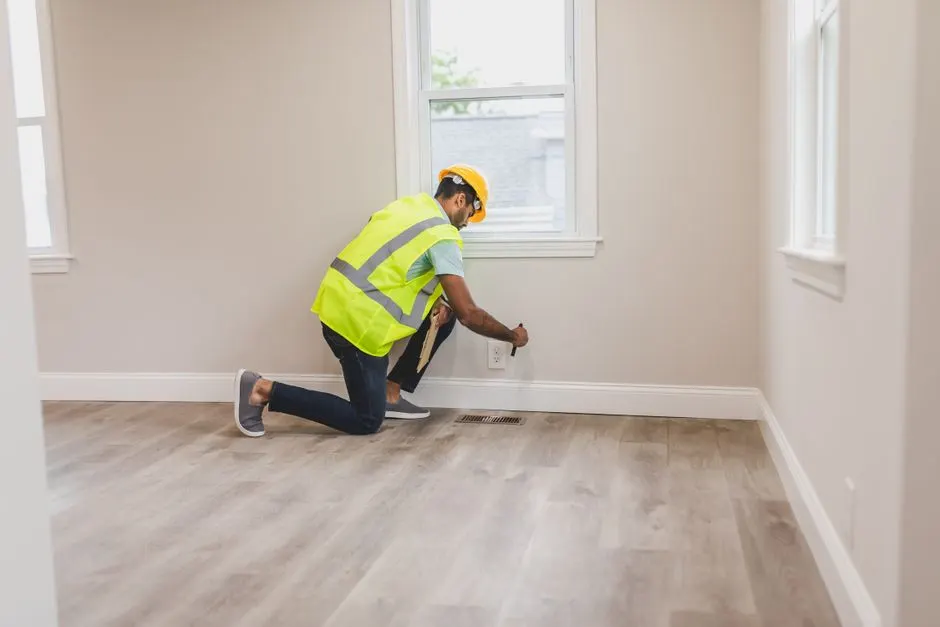
Water damage hides. By the time you see a stain, the moisture has usually been sitting for weeks. Here is what a proper assessment gets you.
Find the Source Fast
We trace water back to the actual failure point, not just the wet spot. That means roof leaks, slab leaks, supply line drips, and HVAC condensate lines get identified by location, not guessed at. You get a clear answer on where the water is entering and how long it has likely been there.
Stop Mold Before It Spreads
Mold can colonize a wet surface in 24 to 48 hours. Our assessment flags the exact areas at risk so you can dry them out before black mold takes hold. We also note existing growth so you know whether you are dealing with a drying job or a remediation job.
Documentation for Insurance
Carriers want moisture readings, photos, and a clear cause of loss. Our report includes meter readings, thermal images, and a written summary you can hand straight to your adjuster. That speeds up claims and reduces back-and-forth about what was actually wet.
Protect Your Home's Value
Unaddressed moisture rots framing, warps flooring, and drives up future repair costs. A full assessment gives you a repair scope you can price out before listing or renovating. Buyers and inspectors respect a documented moisture history.
Google ★★★★★4.9
They found a slab leak we did not know we had. The thermal imaging was impressive, and the report was detailed enough for our insurance. Highly recommend.
Yelp ★★★★★4.8
Professional and thorough. They mapped the moisture in our walls and gave us a clear plan. No pressure, no upsell. Just facts.
BBB A+
We use them for all our rental properties. Same-day response, clean reports, and they know Fort Worth construction. Great team.
Google ★★★★★5.0
Called after a storm and they came out the same day. Found moisture in the attic we would have missed. Worth every penny.
Our technicians are trained to IICRC and ACAC standards, and we work to the ANSI/IICRC S520 mold remediation standard on every job. We use professional-grade tools from Protimeter, FLIR, and Bosch, plus Zefon Air-O-Cell spore trap cassettes and EMSL Analytical lab analysis when air sampling is needed. We know how Fort Worth homes are built, from pier-and-beam houses in Fairmount to slab-on-grade builds in Ridglea, and we know which moisture problems show up in each. That local experience is why our reports hold up with adjusters and real estate agents.
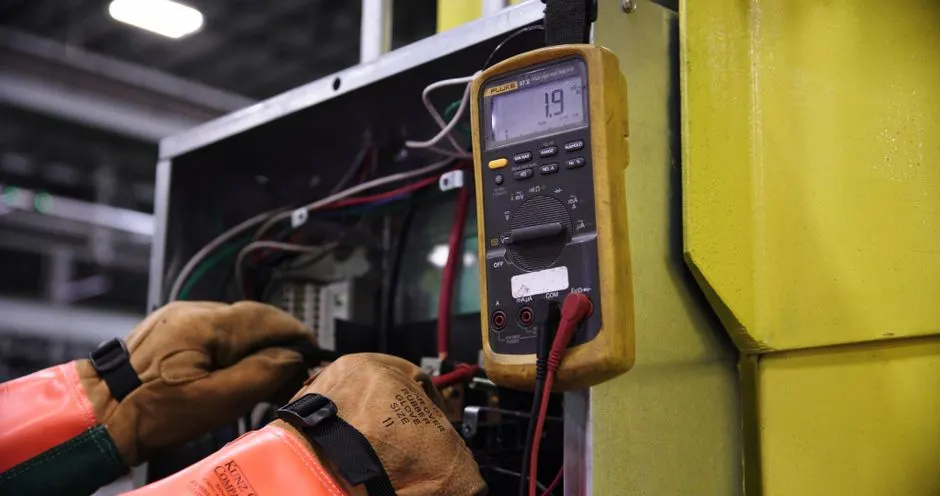
Real answers to the questions we hear most often from local homeowners and property managers.
If your assessment turns up visible growth or a musty smell, a full mold inspection identifies the type and extent. We inspect attics, crawl spaces, and wall cavities across Fort Worth.
View Mold InspectionSurface and air samples confirm what is growing and whether it is toxic. We use Zefon cassettes and EMSL Analytical for lab results you can trust.
View Mold TestingAir sampling measures spore counts inside your home compared to outside. This tells you whether your HVAC or living space has a mold problem.
View Air Quality TestingA focused service that traces moisture through walls, floors, and ceilings. Ideal when you know there is a leak but cannot find the source.
View Moisture Mapping and DetectionFLIR thermal cameras reveal temperature differences that indicate hidden moisture. We use this on every assessment to see behind drywall without cutting.
View Thermal Imaging InspectionIf remediation is needed, we write the protocol that specifies containment, HEPA filtration, and antimicrobial treatments. Your contractor follows our written scope.
View Mold Remediation ProtocolCall (866) 896-8166 or email info@fortworthmoldtesting.com and we will get you on the schedule. We answer calls Monday through Friday from 8am to 6pm and run emergency response for water damage and post-storm inspections. Most standard inspections are booked within a day or two.
Phone
+18668968166Address
Fort Worth, Texas
Hours
Mon–Fri: 7AM – 7PM
Sat: 8AM – 4PM
Sun: Emergency Only
24/7 Emergency Available