
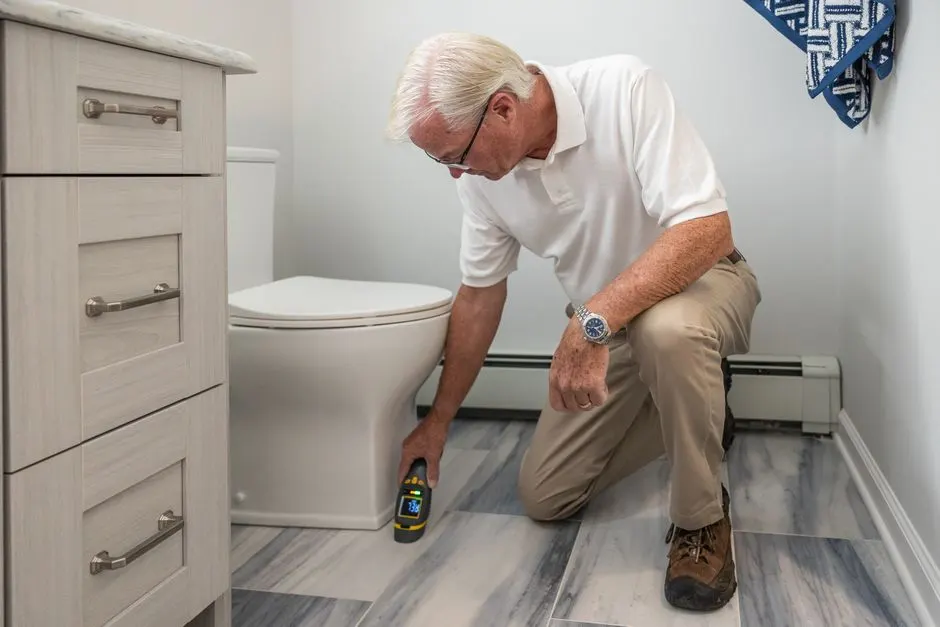
A mold inspection in Fort Worth is a 2-to-4-hour on-site investigation where a trained inspector measures moisture, scans walls and ceilings with thermal imaging, collects air and surface samples, and delivers a lab-backed report within 2 to 5 business days. It is not a visual glance and a guess - it is a documented process that tells you whether mold is present, what kind it is, and where the water feeding it is coming from.
Below we walk through every stage of the mold inspection process Fort Worth TX homeowners actually experience, from the first phone call to the final report, including what we check in attics and crawl spaces, how sampling works, and what the numbers in your lab results mean.
The Short Answer: What a Fort Worth Mold Inspection Actually Involves
A mold inspection in Fort Worth TX is a non-invasive diagnostic service that locates moisture problems and confirms whether microbial growth is present, using moisture meters, thermal cameras, humidity readings, and laboratory analysis of air and surface samples.
Most inspections follow the same five-stage arc:
- Interview and walkthrough - we ask about leaks, smells, and past water events, then walk the property room by room.
- Moisture mapping and thermal imaging - we find the wet materials behind the paint.
- Sampling - air cassettes and surface swabs or tape lifts, sent to an accredited lab.
- Lab analysis - 2 to 5 business days for spore counts and species identification.
- Written report - findings, photos, lab data, and recommended next steps.
You get a document you can hand to a landlord, a buyer, an insurance adjuster, or a remediation crew. That is the whole point.
How Long Does a Mold Inspection Take in Fort Worth?
A standard residential mold inspection in Fort Worth takes 2 to 4 hours on site, with larger homes, commercial buildings, and multi-unit properties running 4 to 6 hours.
Here is what drives the clock:
- Square footage. A 1,400 sq ft bungalow in Fairmount moves faster than a 4,200 sq ft two-story in Arlington Heights.
- Number of samples. Each air sample takes about 5 minutes of pump time plus setup. A typical home gets 3 to 5 air samples and 2 to 4 surface samples.
- Attic and crawl space access. A walkable attic with a pull-down stair is quick. A low-pitch 1940s crawl space with 18 inches of clearance is not.
- HVAC complexity. Systems with multiple air handlers, zoning, or accessible ductwork add 30 to 60 minutes.
Then the lab needs 2 to 5 business days. Rush analysis is available on most sample types and usually cuts that to 24 to 48 hours.
Step 1: The Walkthrough and Occupant Interview
The inspection starts with questions, not equipment. We ask when you first noticed the smell, whether anyone in the house has been getting headaches or sinus issues, and what happened during the last big rain event.
Fort Worth gives us plenty to ask about. The May and October storm cycles dump water fast, and the clay soil across Tarrant County swells and shrinks with it. That movement opens gaps at foundation lines, window frames, and door thresholds - and water finds every one of them.
From there we walk the property in a fixed order: exterior grade and drainage first, then the interior room by room, then the attic, then the crawl space or basement if there is one. We are looking for the visual tells - dark staining on drywall, lifted vinyl flooring, bubbling paint, warped baseboards, rusted HVAC pans, and the musty smell that means active growth even when nothing is visible.
If you are buying or selling, this stage matters more. A proper Mold Inspection for Real Estate Transactions Fort Worth TX has to stand up to a buyer's questions and a lender's timeline, so we document everything with photos and timestamps.
Step 2: Moisture Mapping and Thermal Imaging
Moisture mapping is where the inspection earns its money. Mold needs water, and in most Fort Worth homes the water is hidden - inside a wall cavity, under a slab edge, or above a ceiling tile.
We use two tools together. A pin-type or pinless moisture meter gives us a percentage reading on drywall, wood framing, and subfloor. Normal interior wood sits between 6% and 12% moisture content in our climate. Anything above 16% is a problem, and above 20% is a feeding ground.
Then we bring in the thermal camera. Infrared sees temperature differences, and evaporating moisture cools surfaces. That is how we find a slow supply-line leak behind a kitchen wall or a roof leak that has been dripping into attic insulation for months without showing a stain.
This is the stage where a Moisture Mapping and Detection Fort Worth TX inspection pays for itself, because it turns a vague musty smell into a specific address on your floor plan. We mark each wet zone, photograph it, and note the moisture percentage so the remediation crew knows exactly where to cut.
Common Fort Worth culprits we map:
- AC condensate drain lines clogging in July and August and overflowing into ceiling cavities.
- Slab-edge and foundation cracks letting groundwater wick into carpet and baseboards.
- Roof flashing failures after hail events, especially on homes built before 1990.
- Supply-line pinhole leaks in copper plumbing inside 1950s and 1960s homes.
Step 3: Air Sampling and Surface Sampling
Yes, a mold inspection in Fort Worth TX includes air sampling in almost every case. Air sampling is how we measure what you are actually breathing.
We run calibrated pumps that pull a known volume of air - typically 75 liters over 5 minutes - through a spore trap cassette. One sample goes outside as a baseline. The rest go in the rooms of concern: the one that smells, the one where someone is getting sick, and the one below the suspected leak.
The comparison is the whole trick. If indoor spore counts are higher than outdoor counts, or if the species mix indoors does not match outdoors, that is evidence of an indoor amplification site. A single indoor number means nothing without the outdoor baseline next to it.
Surface sampling comes next. We use tape lifts on visible growth or swabs on HVAC registers, window sills, and duct interiors. Surface samples identify the genus - Stachybotrys, Aspergillus/Penicillium, Cladosporium, Chaetomium - and confirm whether what you are looking at is actually mold and not dirt, efflorescence, or soot.
For homes with a known water event or occupants with health concerns, we also offer ERMI Testing Fort Worth TX, which uses dust from a vacuum sample to produce a 36-species index score. It is a different question than air sampling answers, and it is worth running when the air looks clean but people still feel sick.
Every sample goes to an accredited third-party laboratory. We do not run our own lab, and neither should anyone else - the independence is what makes the report credible.
Step 4: The Lab Report and What It Tells You
Your mold inspection report Fort Worth Texas arrives 2 to 5 business days after sampling, and it should contain four things: the inspector's written findings, annotated photos, the raw lab data, and a clear recommendation.
Here is how to read the lab data without a biology degree:
- Total spore count per cubic meter. Compare indoor to outdoor. Indoor should be at or below outdoor for the same species.
- Species identification. Some genera are common and mostly harmless at low counts. Stachybotrys and Chaetomium indicate long-term water saturation and get treated seriously.
- Elevated indoor-to-outdoor ratio. A ratio above 1.0 for any species is a red flag.
- Surface results. A positive surface sample confirms growth on that material, period.
What the report should not do is tell you to remediate everything. A good report tells you where the water is coming from, how far the growth has spread, and what scope of work is actually justified. If the inspector cannot explain the report to you in plain English on a phone call, that is a problem.
What Tools Are Used During a Mold Inspection in Fort Worth Texas?
The tool kit for a professional mold inspection process Fort Worth TX is specific and mostly non-invasive. We are not opening walls on the first visit unless you ask us to.
- Pin-type and pinless moisture meters - percentage readings on drywall, framing, and subfloor.
- Thermal imaging camera - finds temperature anomalies that indicate hidden moisture.
- Calibrated air sampling pumps and spore trap cassettes - 75-liter air draws for spore counts.
- Hygrometer and thermo-hygrometer - indoor relative humidity. Fort Worth homes should sit between 30% and 50%. Above 60% and you are growing mold on purpose.
- Borescope camera - a 3/8-inch scope we slip through an outlet or a small drilled hole to see inside a wall cavity.
- Tape lifts and swabs - surface sampling for genus identification.
- Flashlight, ladder, respirator, and shoe covers - the unglamorous stuff that keeps your house clean.
We also check ventilation and pressure. A bathroom exhaust fan that moves 30 CFM instead of the 50 CFM it is rated for is not removing shower moisture, and that moisture is going into the wall. That is why we run a Ventilation Inspection Fort Worth TX alongside the mold work whenever the pattern points to humidity rather than a leak.
What to Prepare Before a Mold Inspection in Fort Worth
You do not need to clean anything before we arrive. In fact, please do not - cleaning can destroy the evidence we came to collect.
What actually helps:
- Write down the history. When did you first smell it? Did a pipe burst, did the AC overflow, did the roof leak? Dates and rooms.
- Clear access. Move boxes away from attic hatches, crawl space doors, and HVAC closets. We need to get in without moving your holiday decorations.
- Leave the HVAC running normally. Do not turn it off. We want to sample the air the way you actually live in it.
- Do not run a dehumidifier for 24 hours before the visit. It masks the moisture signature we need to read.
- Note any health symptoms and which rooms people spend time in. That guides where we sample.
- Have your questions ready. The walkthrough is the best time to ask them.
If you are in a condo or a historic district property, tell us when you book. Older homes in Fairmount Mold Inspection and Testing have pier-and-beam foundations and original plaster, and both change how we approach moisture readings and sampling locations.
What to Watch Out For: Common Mistakes Homeowners Make
The biggest mistake is hiring a remediation company to do the inspection. If the same company diagnoses the problem and sells you the fix, you have no independent verification. Testing and remediation should be separate parties.
Other mistakes we see regularly:
- Bleaching visible mold and calling it done. Bleach kills surface growth on non-porous materials. It does not penetrate drywall, and it does not fix the water source. The mold comes back in three weeks.
- Skipping the outdoor baseline sample. Without it, your indoor spore count is a number with no context. Any inspector who skips it is cutting corners.
- Trusting a $99 "free mold inspection." That is a sales call. A real inspection involves 2 to 4 hours of labor, 5 to 9 lab samples, and an accredited lab bill. Typical 2026 pricing in the Fort Worth area runs $350 to $650 for a standard residential inspection with air sampling, and $700 to $1,200 for larger homes, crawl spaces, or commercial properties.
- Ignoring the crawl space. Fort Worth's clay soil and high water table keep many crawl spaces at 80% to 90% relative humidity year-round. That is a mold factory under your floor.
- Remediating before the leak is fixed. You will pay twice.
One more: do not accept a verbal report. You want the written document with lab data attached. It is the only thing that holds up with an insurance adjuster, a landlord, or a buyer's agent.
When to Call a Professional
Call us when you can smell something musty but cannot see it, when a water event happened more than 48 hours ago and was not dried with commercial equipment, or when someone in the house is reacting to the air and you need to know why.
Also call before you buy. A general home inspection in Texas is not required to test for mold, and most do not. If the seller's disclosure mentions a past roof leak or an AC overflow, get a dedicated mold inspection before your option period ends.
Fort Worth Mold Testing handles the full range - residential, commercial, attic, crawl space, basement, and HVAC - and we keep testing separate from remediation so the results stay honest. If you are dealing with a commercial property, a Commercial Mold Inspection Fort Worth TX follows the same process with a larger sample plan and documentation built for tenants and property managers.
Frequently Asked Questions
What happens during a mold inspection in Fort Worth TX?
A trained inspector interviews you, walks the property, measures moisture with meters and a thermal camera, collects 5 to 9 air and surface samples, and sends them to an accredited lab. You receive a written report with photos and lab data in 2 to 5 business days.
How long does a mold inspection take in Fort Worth?
Plan on 2 to 4 hours on site for a standard home, and 4 to 6 hours for larger or multi-unit properties. Lab results add another 2 to 5 business days, or 24 to 48 hours with rush analysis.
What tools are used during mold inspection in Fort Worth Texas?
Moisture meters, a thermal imaging camera, calibrated air sampling pumps with spore trap cassettes, a borescope, a hygrometer, and surface swabs or tape lifts. Everything is non-invasive unless you request exploratory openings.
Does mold inspection include lab testing in Fort Worth TX?
Yes. Air and surface samples go to an accredited third-party laboratory for spore counts and species identification. We do not run our own lab, which keeps the results independent of any remediation work.
What should I prepare before a mold inspection in Fort Worth?
Write down the water history and any symptoms, clear access to the attic and crawl space, leave the HVAC running, and skip the dehumidifier for 24 hours before the visit. Do not clean visible growth - we need to sample it.
Get Help with Mold Inspection and Testing in Fort Worth
If you have a smell you cannot place, a stain you cannot explain, or a real estate deadline coming up, we can get an inspector to your door and a lab-backed report in your hands fast.
Call Fort Worth Mold Testing at +1 (866) 896-8166 to schedule your inspection. We will tell you exactly what we found, where the water is coming from, and what it takes to fix it.