
Tanglewood Park
A central green space in the neighborhood. We use it as a reference point when scheduling and navigating to nearby streets. If you are near the park, you are in the heart of Tanglewood.

Mold Inspection and Testing in Tanglewood is the process of locating moisture, confirming whether mold is growing, and identifying the species before anyone swings a hammer. We run that process across the neighborhood every week, from Tanglewood Drive to the streets feeding off Hulen Street. Most of the housing stock here went up in the 1950s and 1960s, which means cast iron drains, galvanized supply lines, and venting that was never designed for the way we run air conditioning now. Add North Texas humidity and you get condensation inside walls, slow slab leaks, and attic sheathing that stays damp for weeks. We use a Protimeter moisture meter and a FLIR thermal imaging camera to find the wet spots a flashlight misses, then pull air samples through Air-O-Cell spore trap cassettes and send them to EMSL Analytical for species-level identification. If you have been searching for mold testing services Tanglewood TX homeowners actually trust, the difference is in the documentation. Every report tells you what is growing, where the water is coming from, and what it takes to fix it.
We run the full scope of Mold Inspection and Testing in Tanglewood, from a single air sample to a complete remediation protocol. If you have been searching for Mold Inspection and Testing in Tanglewood near me and want a company that answers the phone, we do. Most of our Tanglewood work starts with a moisture problem nobody can see: a slab leak under a mid-century floor, a roof leak staining attic decking, or condensation dripping off ductwork in a house that stays closed up all summer.
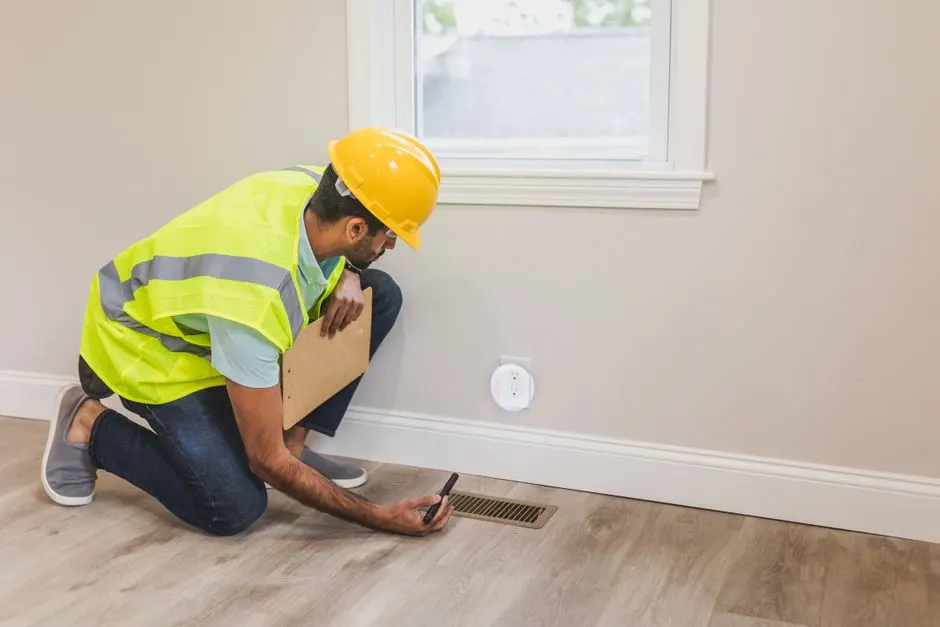


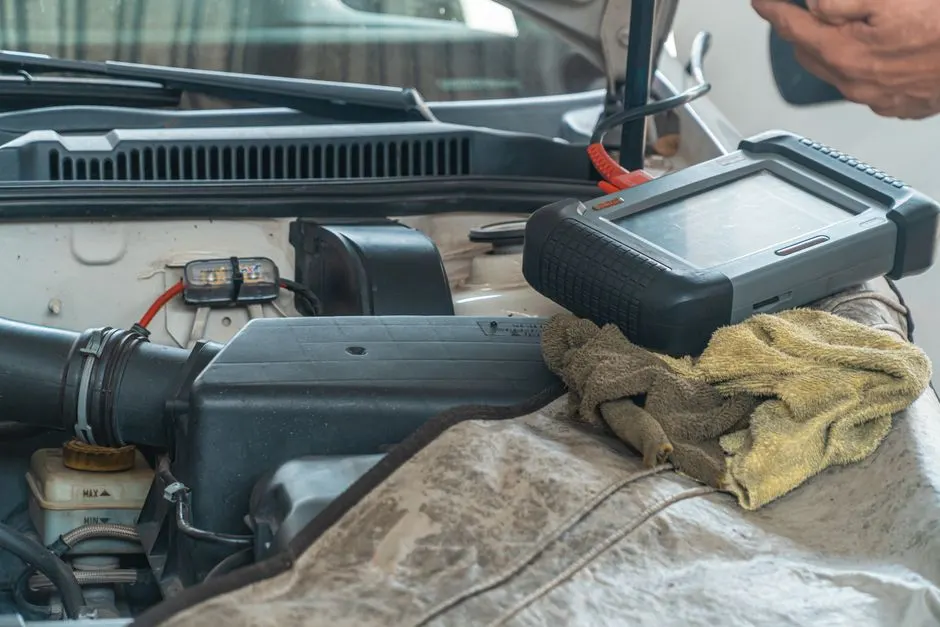




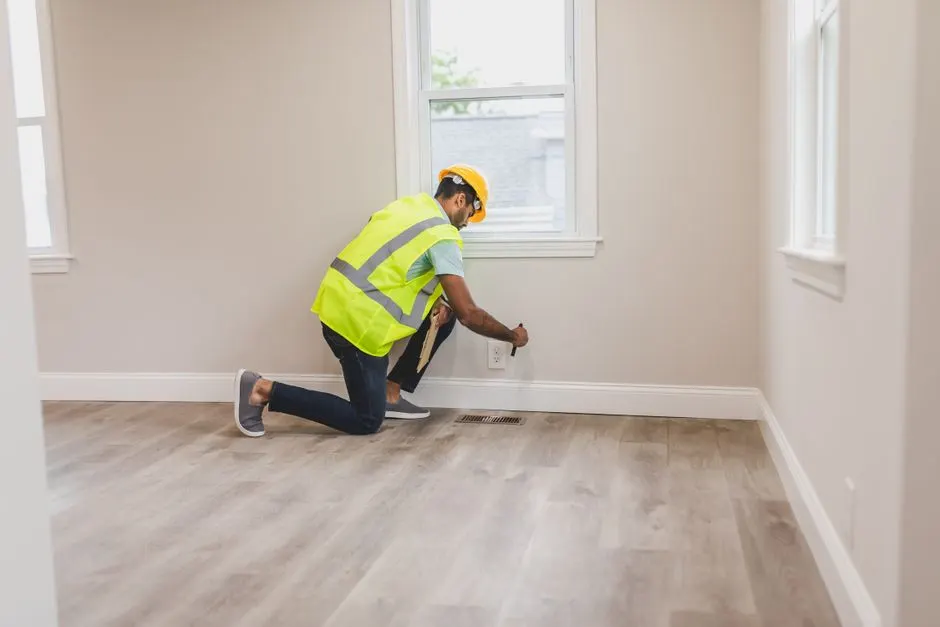
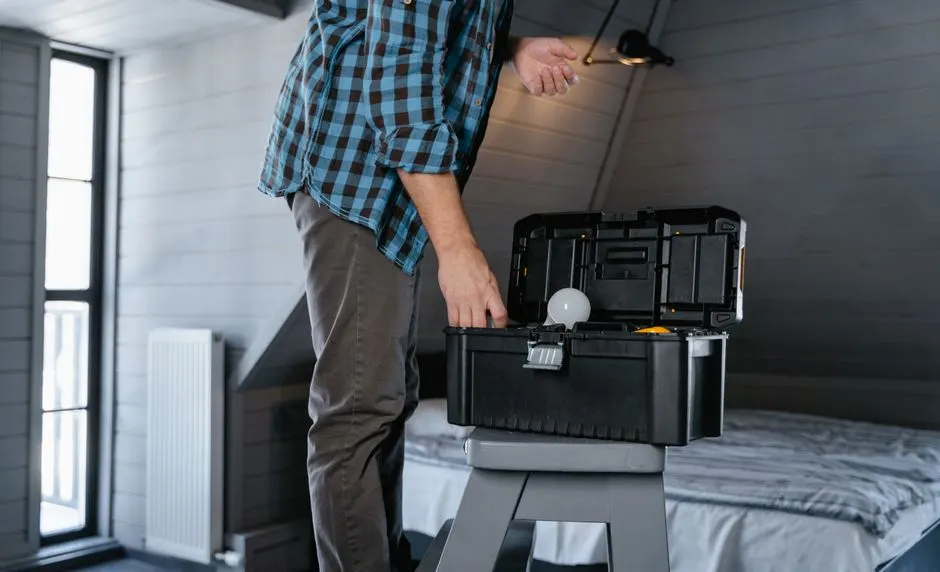
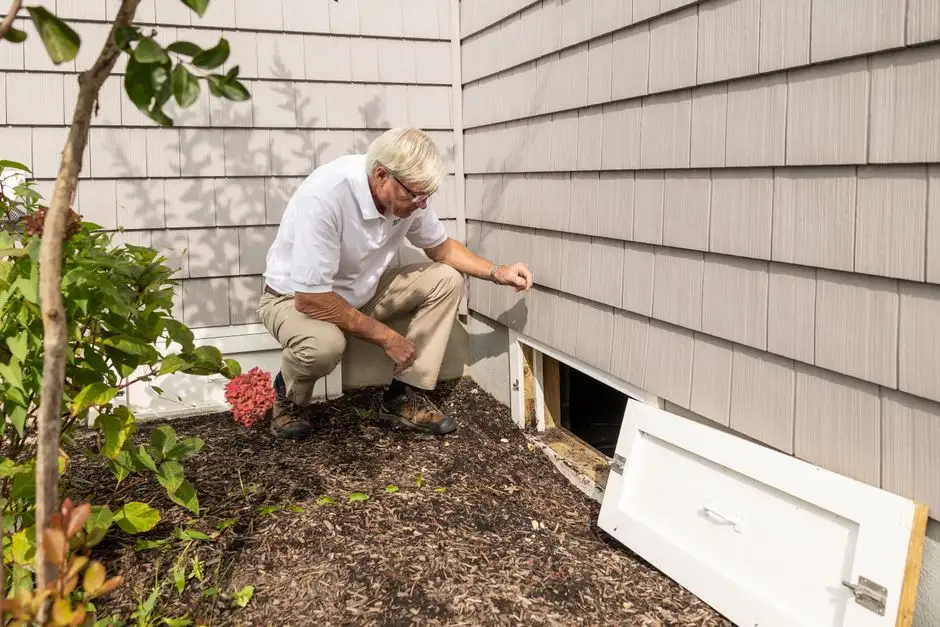
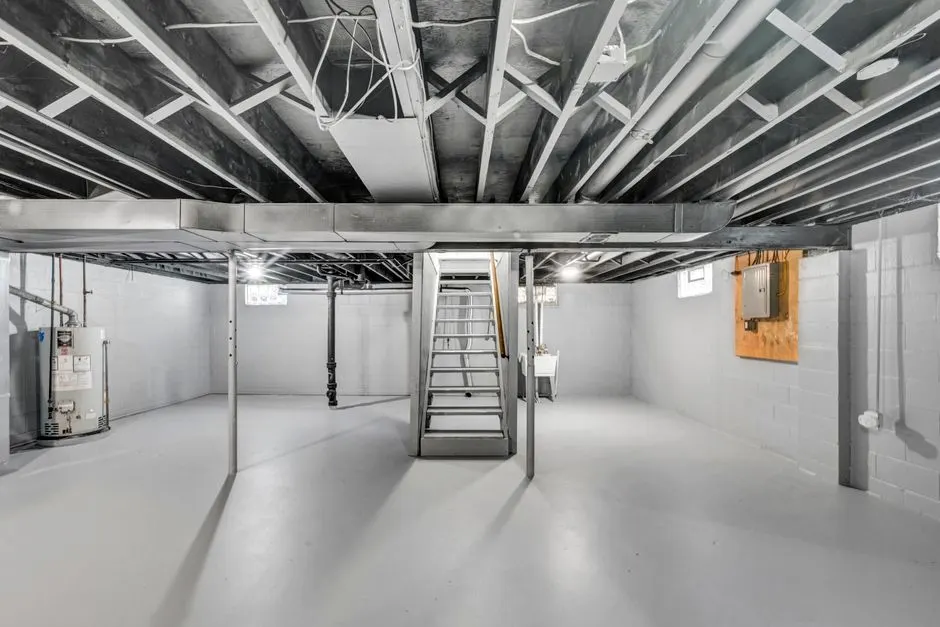
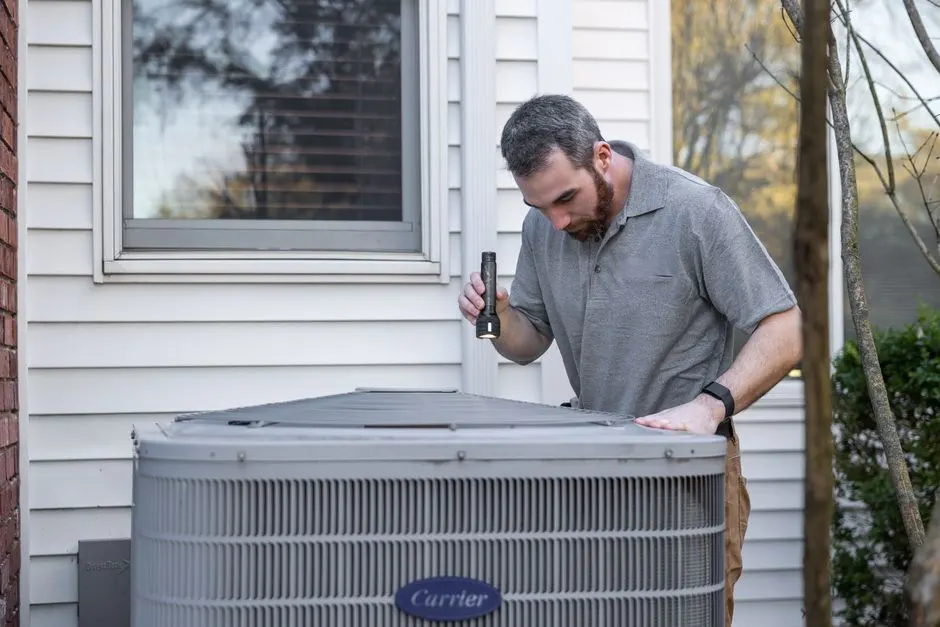





Tanglewood has a specific set of conditions that drive mold problems. The housing stock is older, the climate is humid, and the soil holds water. These factors combine to create recurring issues we see over and over. If you are looking for mold testing services Tanglewood TX, here is what we find most often.
Tanglewood's mature trees shade roofs, which slows drying after rain. If the roof has a small leak or the attic is not vented properly, moisture builds up and mold grows on the sheathing. This is one of the most common problems we find in the neighborhood.
Some Tanglewood homes still have pier-and-beam foundations with crawl spaces that trap humidity. Without a moisture barrier, ground moisture rises into the crawl space and condenses on floor joists and subfloor. Mold grows in the dark, damp environment.
Your HVAC system pulls moisture out of the air. If the drain pan is clogged or the coils are dirty, that moisture stays in the system and mold grows. In Tanglewood's humid summers, the system runs constantly, which gives mold plenty of time to colonize.
Tanglewood's mid-century homes have older plumbing under the slab. Cast iron and galvanized pipes corrode and leak slowly. The water wicks up through the concrete and into flooring, creating a hidden moisture problem that feeds mold for months or years before you notice.
Mold does not always announce itself with a big black stain. In Tanglewood's older homes, it often hides behind drywall, under flooring, or inside the HVAC system. If you notice any of these signs, it is worth a professional look. If you have been searching for Mold Inspection and Testing in Tanglewood near me, these are the triggers that should prompt a call.
Musty or earthy smell that will not go away
A persistent musty smell usually means mold is growing somewhere you cannot see. In Tanglewood's humid climate, it often comes from a crawl space, attic, or wall cavity. The smell is a byproduct of mold metabolism. If it lingers after you clean, call us.
Visible dark spots on walls or ceilings
Black or greenish spots on drywall, ceiling tiles, or wood are a clear sign of mold growth. In older Tanglewood homes, this often traces back to a roof leak or plumbing leak. Do not paint over it. Find the moisture source first.
Water stain that keeps coming back
A water stain that reappears after you paint over it means the moisture source is still active. It could be a slow roof leak, a slab leak, or condensation from poor ventilation. Mold is likely growing behind the stain. We can find the source and test for mold.
Family members with unexplained allergy symptoms
If you or your family wake up congested, sneeze more at home than outside, or have itchy eyes that improve when you leave the house, mold could be the cause. Air quality testing can confirm whether indoor spore counts are elevated compared to outdoor levels.
Recent water damage from a leak or flood
Any water event, from a burst pipe to a roof leak to a slab leak, can lead to mold within 48 hours if the area is not dried properly. In Tanglewood's humidity, drying takes longer. If you had water damage and did not run dehumidifiers, get an inspection.
Tanglewood is easy to navigate once you know the landmarks. We use Tanglewood Park as our central reference point, then work outward along Tanglewood Drive and the streets feeding off Hulen Street. Hulen Mall is a useful marker for the commercial corridor, and the Trinity River sits just east of the neighborhood, which matters because low-lying areas near the river hold moisture longer after rain. If you are giving us directions, tell us the nearest cross street and we will find you.
A central green space in the neighborhood. We use it as a reference point when scheduling and navigating to nearby streets. If you are near the park, you are in the heart of Tanglewood.
A major retail landmark on Hulen Street. We use it to orient ourselves for commercial and residential calls along the corridor. It is also a useful meeting point if you need to hand off keys or paperwork.
The main residential street running through the neighborhood. Many of our inspections are on or just off this street. It is a good landmark to mention when you call.
The river runs east of Tanglewood. Homes closer to the river sit on ground that stays wetter longer, which can affect foundation moisture and crawl spaces. We note proximity to the river when assessing moisture risk.
Plus surrounding Tarrant County neighborhoods, with same-day routing on most appointments.
Mold grows year-round in North Texas, but the triggers change with the seasons. If you are looking for affordable Mold Inspection and Testing Tanglewood TX, understanding the seasonal patterns helps you know when to schedule. Here is what we see in Tanglewood through the year.
Spring brings heavy rain and high humidity to Tanglewood. Roof leaks that were minor in winter become active, and crawl spaces stay wet. Mold growth spikes in attics and crawl spaces. This is our busiest season for inspections.
Tip: If you had roof damage over the winter, get an attic inspection in early spring before mold gets a foothold. Check crawl spaces for standing water after heavy rains.
Summer heat and humidity put your HVAC system to work. Condensation on ducts and cold pipes is common, and HVAC mold grows fast. Indoor humidity can climb above 60 percent if your system is not sized right. We see a lot of HVAC mold calls in July and August.
Tip: Keep your indoor humidity below 55 percent. Change your HVAC filter monthly. If you notice a musty smell when the air kicks on, get an HVAC mold inspection.
Fall is milder, but it is also when we find mold from summer moisture. Attics that stayed damp through summer may show mold growth by October. This is a good time to get an inspection if you noticed a musty smell over the summer but did not act on it.
Tip: Schedule an inspection in early fall if you had any water damage or high humidity over the summer. It is better to catch mold before the holidays.
Winter is dry, but that does not mean mold stops. Indoor heating dries the air, but if you have a hidden leak, mold keeps growing. We also see condensation issues when warm indoor air meets cold surfaces. Winter is a good time for ERMI testing because indoor spore levels are often lower, making results easier to interpret.
Tip: Use exhaust fans when showering and cooking to keep moisture out of the air. If you have a crawl space, check it after winter rains. Schedule an inspection if you see any new stains.
Tanglewood sits in a part of Fort Worth that puts us close to several other neighborhoods and commercial districts. We serve Tanglewood as a core area, and we also cover the surrounding communities. If you are just outside Tanglewood, call us. We probably work your street too.
(City)
About 10 minutes east of Tanglewood. We serve downtown residents and property managers who need mold inspections in older buildings and high-rises.
View Downtown Fort Worth(City)
Just east of downtown, about 12 minutes from Tanglewood. We handle commercial and residential mold inspections in and around the square.
View Sundance Square(City)
A few miles northeast of Tanglewood. We inspect homes and cultural buildings in this area, often for HVAC mold and humidity issues.
View Cultural District(City)
About 10 minutes northeast of Tanglewood. This area has a mix of older homes and new construction. We test both for mold and air quality.
View West 7th(City)
About 15 minutes southeast of Tanglewood. We serve homeowners and commercial property managers in this growing area.
View Near Southside(City)
Just east of Tanglewood, about 10 minutes away. We inspect student rentals and family homes here, often for moisture and HVAC issues.
View TCU AreaReal answers from our team for the questions we hear most often before a job starts.
If you smell something musty, see a stain that keeps coming back, or just want to know your Tanglewood home is clean, call us. We answer the phone, we show up when we say we will, and we give you lab results you can trust. Same-day appointments are often available. Call now or fill out the form and we will get back to you within one business hour.
Call (866) 896-8166 or email info@fortworthmoldtesting.com and we will get you on the schedule. We answer calls Monday through Friday from 8am to 6pm and run emergency response for water damage and post-storm inspections. Most standard inspections are booked within a day or two.
Phone
+18668968166Address
Fort Worth, Texas
Hours
Mon–Fri: 7AM – 7PM
Sat: 8AM – 4PM
Sun: Emergency Only
24/7 Emergency Available